

Understanding the Advantages of Hand-Layup Techniques for Pipe Fittings
Aug 03,2026
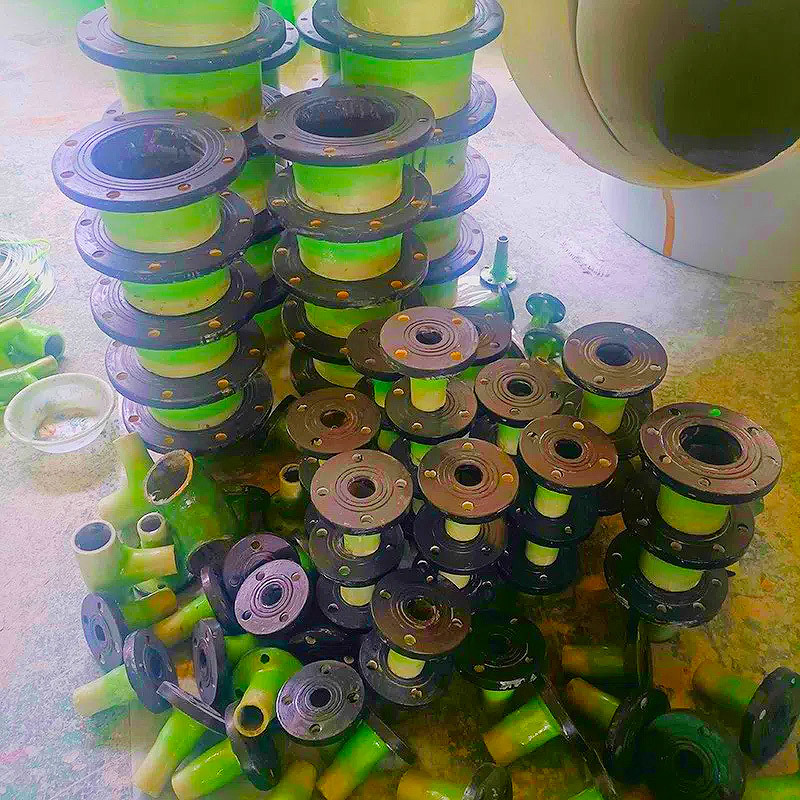
Understanding the Advantages of Hand-Layup Techniques for Pipe Fittings
In the world of construction and decorative materials, particularly in the realm of pipe fittings, the method of production significantly influences the final product's quality, durability, and cost. Among the different manufacturing techniques available, the hand-layup method stands out for its unique advantages. This article will delve into the benefits of hand-layup techniques for pipe fittings, providing a comprehensive understanding of why this method is often preferred in the industry.
What is Hand-Layup Technique?
The hand-layup technique is a manual process used in the fabrication of composite materials, where layers of resin and reinforcement fibers are laid down by hand. This method is particularly beneficial for creating complex shapes and components that require high precision and customization. In the context of pipe fittings, this technique allows manufacturers to achieve high-quality products that meet specific engineering standards.
The Process of Hand-Layup
The hand-layup process involves several key steps:
1. Preparation of Materials
Before beginning the hand-layup process, the necessary materials, including resin, hardeners, and reinforcement fibers (such as fiberglass or carbon fiber), must be prepared. These materials are selected based on the specific requirements of the pipe fitting being produced.
2. Molding
A mold is prepared to shape the pipe fitting. The choice of mold can greatly impact the final product's quality and finish. Proper mold preparation ensures that the layers adhere well and that the final fitting has a smooth surface.
3. Layering
The actual hand-layup process begins with the application of the resin onto the mold. Each layer of reinforcement fiber is placed on top of the resin layer, and additional resin is applied over the fibers. This layering continues until the desired thickness is achieved.
4. Curing
Once the layering is complete, the fitting needs to cure. The curing process allows the resin to harden, forming a strong bond between the layers. The curing time may vary based on the type of resin used and environmental conditions.
5. Finishing Touches
After curing, the pipe fitting is removed from the mold and undergoes finishing processes such as trimming, sanding, and surface treatment. These steps ensure that the fitting meets the required specifications and aesthetic standards.
Advantages of Hand-Layup Techniques for Pipe Fittings
1. Customization and Flexibility
One of the primary advantages of the hand-layup technique is its ability to produce highly customized pipe fittings. Manufacturers can tailor the size, shape, and design to meet specific project requirements. This flexibility is particularly valuable in projects requiring unique or non-standard fittings.
2. Cost-Effectiveness
Hand-layup techniques can be more cost-effective than automated processes, particularly for small production runs. The manual nature of the process allows for reduced tooling costs and lower initial investments. For companies operating on tight budgets, this method provides an economical solution without compromising quality.
3. High-Quality Results
When executed correctly, hand-layup techniques yield high-quality pipe fittings with excellent strength and durability. The manual application allows for careful inspection and adjustment during production, minimizing defects and ensuring that each fitting meets rigorous quality standards.
4. Reduced Waste
Hand-layup techniques can help reduce material waste. Unlike automated processes that may require excess material to ensure quality, hand-layup allows for precise application of resin and reinforcement. This precision not only saves materials but also contributes to environmentally sustainable production practices.
5. Enhanced Surface Finish
Pipe fittings produced through hand-layup techniques often exhibit superior surface finishes. The manual application allows for careful layering, resulting in a smoother surface that is both aesthetically pleasing and functional. A high-quality finish can reduce the need for additional surface treatments, further saving costs and time.
Comparing Hand-Layup to Other Manufacturing Techniques
1. Automated Processes
While automated manufacturing processes such as resin transfer molding (RTM) and filament winding can produce high volumes of pipe fittings, they often lack the customization options available with hand-layup techniques. Automated methods may require substantial upfront investment in machinery and tooling, making them less accessible for smaller operations.
2. Traditional Methods
Traditional methods like casting and machining may result in strong and durable fittings, but they often fall short in terms of design flexibility and production speed. Hand-layup techniques offer a balance of strength and customization that traditional methods may not provide, making them more suitable for modern pipe fitting applications.
Applications of Hand-Layup Techniques in Pipe Fittings
The versatility of hand-layup techniques makes them suitable for various applications within the pipe fitting industry. Some common applications include:
1. Industrial Piping Systems
Hand-layup techniques are used to create fittings for industrial piping systems, where high pressure and corrosive environments require durable and reliable components. Custom fittings can be tailored to fit unique specifications, ensuring optimal performance in demanding conditions.
2. Marine Applications
In marine environments, where exposure to saltwater and harsh conditions can degrade materials, hand-layup techniques provide a solution. Pipe fittings manufactured using this method offer resistance to corrosion, making them ideal for use in boats, ships, and offshore structures.
3. HVAC Systems
Heating, ventilation, and air conditioning (HVAC) systems often require fittings that can accommodate various sizes and configurations. Hand-layup techniques allow for the production of customized connectors and transitions, ensuring compatibility with diverse system designs.
Challenges and Considerations in Hand-Layup Techniques
1. Skilled Labor Requirement
One of the challenges associated with hand-layup techniques is the need for skilled labor. The process demands a level of craftsmanship and expertise that may not be readily available. Companies must invest in training and developing their workforce to ensure high-quality production.
2. Labor-Intensive Nature
Hand-layup is a labor-intensive process, which may lead to longer production times compared to automated manufacturing. Companies must carefully manage their production schedules and workforce to meet demand while maintaining quality standards.
Future Trends in Hand-Layup Techniques
1. Integration of Technology
As technology continues to evolve, the integration of advanced tools and equipment may enhance the hand-layup process. Innovations such as digital design software, automated mixing systems, and improved curing techniques could streamline production and increase efficiency.
2. Sustainable Practices
The industry is increasingly focused on sustainability. Hand-layup techniques can evolve to incorporate eco-friendly materials and processes, further reducing environmental impact while maintaining high-quality production.
Conclusion
Hand-layup techniques offer significant advantages in the manufacturing of pipe fittings, providing customization, cost-effectiveness, and high-quality results. As industries continue to demand durability and versatility in their fittings, understanding the intricacies of hand-layup will remain essential. By embracing this technique, manufacturers can meet evolving market needs while ensuring that their products stand the test of time.
Frequently Asked Questions (FAQs)
1. What materials are commonly used in hand-layup techniques for pipe fittings?
Common materials include various types of resin (such as epoxy and polyester) and reinforcement fibers like fiberglass or carbon fiber.
2. How long does the curing process take for hand-layup pipe fittings?
The curing time can vary based on the type of resin used and environmental conditions, but it typically ranges from several hours to a full day.
3. Are hand-layup techniques suitable for large-scale production?
While hand-layup techniques can be used for larger production runs, they are often best suited for smaller batches or custom fittings due to their labor-intensive nature.
4. What are the main disadvantages of using hand-layup techniques?
The main disadvantages include the requirement for skilled labor, longer production times, and potential variability in product quality if not executed correctly.
5. Can hand-layup techniques be used for complex geometries in pipe fittings?
Yes, one of the key advantages of hand-layup is its ability to create complex shapes and geometries that may be challenging for other manufacturing methods.
Perhaps You Also Need:
- All
- Product Management
- News
- Introduction
- Enterprise outlets
- FAQ
- Enterprise Video
- Enterprise Atlas
Address
China ● Glass Steel City, Zaoqiang County, Hengshui City, Hebei Province