

How to Maintain Vacuum-Infused FRP Panels for Longevity: Essential Guide for Building Professionals
Aug 23,2026
How to Maintain Vacuum-Infused FRP Panels for Longevity
Table of Contents
Introduction to Vacuum-Infused FRP Panels
Understanding Fiberglass Reinforced Polymer (FRP)
The Importance of Maintaining FRP Panels
Regular Cleaning Practices for FRP Panels
Effective Cleaning Techniques
Recommended Cleaners and Tools
Protective Measures fo
How to Maintain Vacuum-Infused FRP Panels for Longevity
Table of Contents
- Introduction to Vacuum-Infused FRP Panels
- Understanding Fiberglass Reinforced Polymer (FRP)
- The Importance of Maintaining FRP Panels
- Regular Cleaning Practices for FRP Panels
- Protective Measures for Enhanced Longevity
- Addressing Damage and Repairs
- Seasonal Maintenance Checklist
- Conclusion
- Frequently Asked Questions (FAQs)
Introduction to Vacuum-Infused FRP Panels
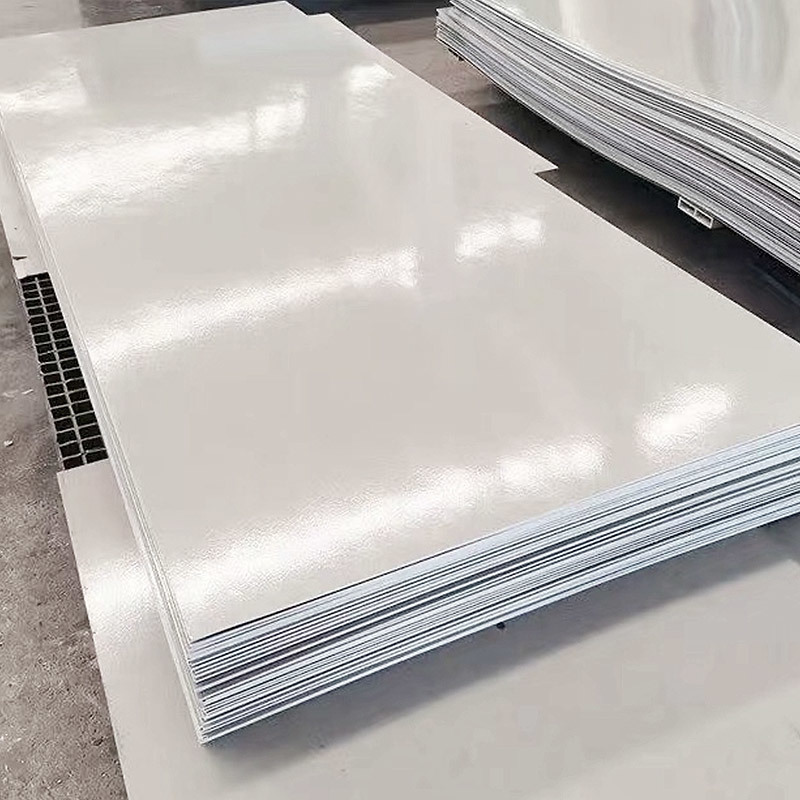
Vacuum-infused fiberglass reinforced polymer (FRP) panels are a popular choice in the construction and architectural industries. Known for their lightweight yet robust nature, these panels offer excellent durability and versatility for various applications, including facades, roofing, and interior finishes. However, like any building material, FRP panels require proper maintenance to maximize their lifespan and maintain their aesthetic value.
Understanding Fiberglass Reinforced Polymer (FRP)
FRP panels are created by combining fiberglass fibers with a polymer matrix, resulting in a composite material that exhibits remarkable strength and resilience. The vacuum infusion process ensures that the fiberglass is thoroughly saturated with resin, minimizing air bubbles and enhancing the structural integrity of the panels. This unique manufacturing method provides significant advantages over traditional materials, such as reduced weight, increased resistance to environmental factors, and an overall longer lifespan.
The Importance of Maintaining FRP Panels
Maintaining FRP panels is essential for a multitude of reasons:
- **Aesthetic Appeal:** Regular maintenance helps preserve the original appearance of the panels, preventing discoloration and surface degradation.
- **Structural Integrity:** Routine care can prevent small issues from escalating into significant structural problems, thereby extending the lifespan of the panels.
- **Cost-Effectiveness:** Investing time and resources into maintenance can save money in the long run by reducing the need for repairs or replacements.
Regular Cleaning Practices for FRP Panels
To ensure the longevity of vacuum-infused FRP panels, implementing regular cleaning practices is crucial.
Effective Cleaning Techniques
1. **Gentle Washing:** Use a soft cloth or sponge with mild soap and warm water to clean the surface of the panels. Avoid abrasive materials that could scratch or damage the finish.
2. **Spot Cleaning:** For stubborn stains or marks, apply a mixture of vinegar and water. This natural solution effectively removes dirt without harming the panel's surface.
3. **Pressure Washing:** If the panels are heavily soiled, a pressure washer can be used at a low setting. Ensure that the spray is directed at an angle to avoid forcing water into seams or joints.
Recommended Cleaners and Tools
- **Mild Detergents:** Use non-abrasive, biodegradable detergents to avoid damaging the panels.
- **Soft Brushes:** Utilize soft-bristled brushes for scrubbing surfaces without scratching.
- **Microfiber Cloths:** These are perfect for drying and polishing the panels after cleaning.
Protective Measures for Enhanced Longevity
Implementing protective measures goes a long way in ensuring the durability of vacuum-infused FRP panels.
UV Protection for FRP Panels
Exposure to ultraviolet light can cause fading and degradation of FRP panels over time. To combat this:
- **Use UV-Resistant Coatings:** Consider applying a UV-resistant clear coat to protect the panel's surface from harmful rays.
- **Shade Structures:** Installing awnings or shade structures can minimize direct sunlight exposure, further extending the life of the panels.
Ensuring Impact Resistance
FRP panels may face physical impacts from debris, hail, or human activity. To enhance impact resistance:
- **Reinforcement:** Consider using thicker or specially designed panels in high-impact areas.
- **Protective Barriers:** Installing barriers, such as fencing or landscaping, can help shield panels from potential impacts.
Addressing Damage and Repairs
Even with regular maintenance, damage can occur. Addressing these issues promptly is crucial to maintaining the integrity of the FRP panels.
- **Surface Scratches:** For minor scratches, use a fine polishing compound to buff out the blemish. Ensure that the area is clean and dry before application.
- **Cracks or Chips:** For more significant damage, use a specialized repair kit designed for FRP. Follow the manufacturer’s instructions for mixing and application to ensure a seamless repair.
- **Professional Assessment:** If damage is extensive, seek the expertise of a professional to evaluate and repair the panels.
Seasonal Maintenance Checklist
A seasonal maintenance checklist helps ensure that FRP panels remain in excellent condition throughout the year. Here’s a recommended checklist:
1. **Spring:**
- Inspect for winter damage.
- Clean panels to remove dirt and debris from the winter months.
- Check for signs of mold or mildew and address promptly.
2. **Summer:**
- Reapply UV protection if necessary.
- Clean more frequently due to increased exposure to dust and sunlight.
3. **Fall:**
- Remove fallen leaves and debris to prevent stains.
- Inspect for any damage from summer storms or high winds.
4. **Winter:**
- Ensure that gutters and drainage systems are clear to prevent water buildup on panels.
- Check for ice accumulation that could cause damage.
Conclusion
Maintaining vacuum-infused FRP panels is essential for ensuring their longevity and performance in various applications. By implementing regular cleaning practices, protective measures, and a thorough seasonal maintenance checklist, building professionals can enhance the durability and aesthetic appeal of these materials. Investing time and effort in proper care not only prolongs the life of FRP panels but also contributes to the overall success of construction and architectural projects.
Frequently Asked Questions (FAQs)
1. How often should I clean my FRP panels?
Regular cleaning should be performed every few months, or more frequently if the panels are exposed to heavy dirt or grime.
2. What kind of cleaners should I avoid when maintaining FRP panels?
Avoid any abrasive cleaners or those containing bleach, as they can damage the panel’s surface.
3. Can I paint my FRP panels?
Yes, you can paint FRP panels, but it is essential to use a paint designed for use with fiberglass to ensure adhesion and durability.
4. How do I know if my FRP panels need repair?
Look for visible cracks, chips, or signs of fading. If you notice any of these issues, it’s vital to address them promptly.
5. What are the benefits of using vacuum-infused FRP panels over traditional materials?
Vacuum-infused FRP panels are lighter, more resistant to corrosion and UV damage, and often offer greater strength-to-weight ratios compared to traditional materials.
Perhaps You Also Need:
All
- All
- Product Management
- News
- Introduction
- Enterprise outlets
- FAQ
- Enterprise Video
- Enterprise Atlas
Address
China ● Glass Steel City, Zaoqiang County, Hengshui City, Hebei Province