

Key Advantages of Fiberglass Desulfurization Towers in Industry
Sep 02,2026
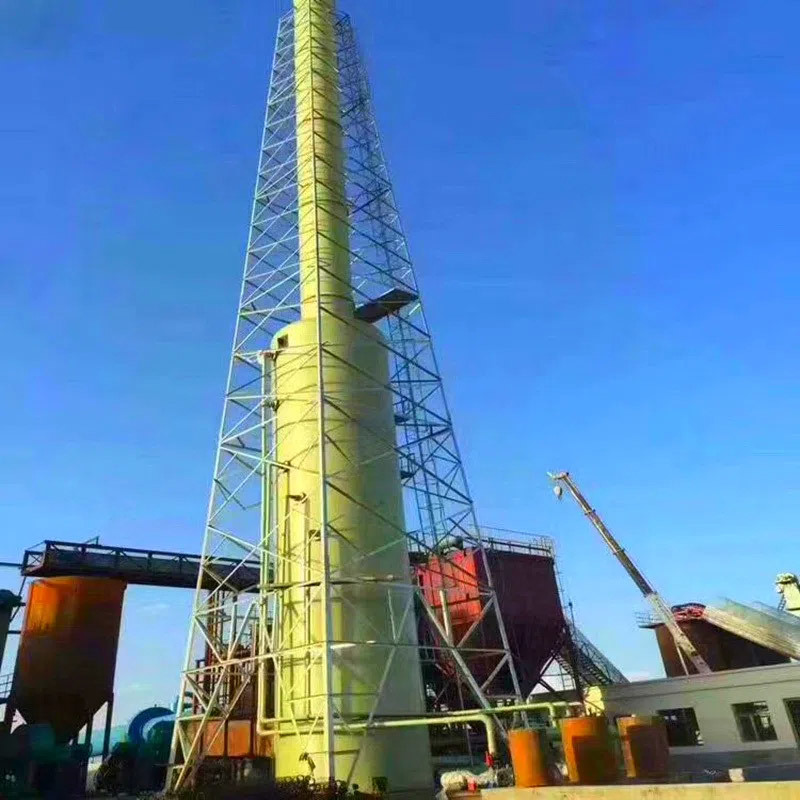
Key Advantages of Fiberglass Desulfurization Towers in Industry
In today's industrial landscape, the need for efficient and environmentally friendly solutions is more pressing than ever. One of the most effective technologies to achieve this is the fiberglass desulfurization tower. This article delves deep into the **key advantages of fiberglass desulfurization towers**, illustrating why industries globally are opting for this advanced technology to meet their sulfur removal needs.
Table of Contents
- 1. Introduction to Fiberglass Desulfurization Towers
- 2. What is Desulfurization and Why is it Important?
- 3. Key Advantages of Fiberglass Desulfurization Towers
- 3.1 Superior Corrosion Resistance
- 3.2 Lightweight and Easy Installation
- 3.3 Cost-Effectiveness Over Time
- 3.4 High Efficiency in Sulfur Removal
- 3.5 Low Maintenance Requirements
- 4. Applications of Fiberglass Desulfurization Towers in Various Industries
- 5. The Positive Environmental Impact
- 6. The Future of Desulfurization Technology
- 7. Conclusion
- 8. Frequently Asked Questions
1. Introduction to Fiberglass Desulfurization Towers
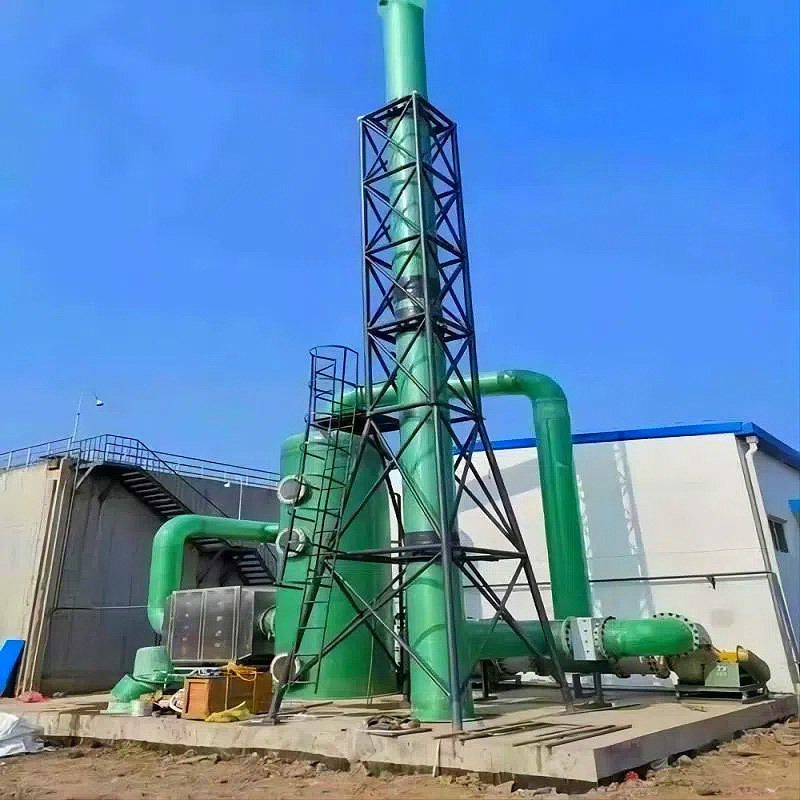
Fiberglass desulfurization towers are specialized systems designed to remove sulfur compounds from industrial emissions. These towers utilize **fiberglass-reinforced plastic (FRP)** materials, which are noted for their remarkable durability and resistance to corrosive environments. As industries face increasing pressure to minimize their environmental footprint and comply with stringent regulations, these towers have emerged as a preferred choice for sulfur removal.
2. What is Desulfurization and Why is it Important?
Desulfurization refers to the process of removing sulfur compounds from gases, particularly those generated during combustion processes in power plants and industrial facilities. The significance of this process cannot be overstated:
- **Environmental Compliance:** Many countries impose strict regulations on sulfur emissions to combat air pollution.
- **Health Benefits:** Reducing sulfur emissions helps improve air quality, thereby protecting public health.
- **Operational Efficiency:** Effective desulfurization can enhance the overall efficiency of industrial systems.
3. Key Advantages of Fiberglass Desulfurization Towers
3.1 Superior Corrosion Resistance
One of the standout features of fiberglass desulfurization towers is their **superior corrosion resistance**. Traditional metal systems often succumb to degradation when exposed to acidic gases, leading to costly repairs and replacements. In contrast, fiberglass towers are engineered to withstand harsh chemical environments, making them a long-term investment for industries.
3.2 Lightweight and Easy Installation
The **lightweight nature** of fiberglass makes these towers exceptionally easy to install. Their reduced weight not only simplifies the transportation process but also minimizes the structural requirements for installation. This leads to quicker setups and less downtime for businesses, enabling them to maintain their productivity levels.
3.3 Cost-Effectiveness Over Time
While the initial investment in fiberglass desulfurization towers may be higher than traditional systems, their **long-term cost-effectiveness** is undeniable. The durability and low maintenance needs of fiberglass result in lower operational costs over the lifespan of the equipment. Moreover, industries can save significantly on replacement costs due to the longevity of these towers.
3.4 High Efficiency in Sulfur Removal
Fiberglass desulfurization towers boast **high efficiency in sulfur removal**, effectively capturing sulfur compounds before they enter the atmosphere. This efficiency not only aids in meeting regulatory standards but also contributes to improved air quality. In an era where environmental responsibility is paramount, this advantage makes fiberglass towers an attractive option for industries globally.
3.5 Low Maintenance Requirements
Maintenance can often be a significant burden for industrial operations. Fortunately, fiberglass desulfurization towers require minimal upkeep due to their robust design. This **low maintenance requirement** translates to reduced labor costs and less operational downtime, further enhancing their appeal to businesses striving for efficiency.
4. Applications of Fiberglass Desulfurization Towers in Various Industries
Fiberglass desulfurization towers are versatile and can be integrated into multiple industries, including:
- Power Generation: Power plants utilize these towers to control sulfur emissions from burning fossil fuels.
- Chemical Manufacturing: Chemical plants employ desulfurization to manage emissions from various production processes.
- Oil and Gas: The oil and gas industry uses fiberglass towers for sulfur removal in refining and processing operations.
- Pulp and Paper: Pulp mills implement desulfurization systems to treat emissions from the production process.
5. The Positive Environmental Impact
The adoption of fiberglass desulfurization towers significantly benefits the environment. By effectively reducing sulfur emissions, these systems help industries adhere to regulatory requirements while simultaneously promoting better air quality. The reduction in sulfur dioxide (SO2) emissions contributes to less acid rain, ultimately leading to healthier ecosystems and communities.
6. The Future of Desulfurization Technology
As environmental regulations become more stringent, the demand for efficient desulfurization technologies will continue to rise. Innovations in **fiberglass materials and desulfurization processes** are expected to enhance the performance and efficiency of these systems further. The future holds great promise for fiberglass desulfurization towers, with advancements that could lead to even more effective sulfur removal techniques.
7. Conclusion
In conclusion, fiberglass desulfurization towers represent an effective solution for industries seeking to manage sulfur emissions responsively and efficiently. With their superior corrosion resistance, lightweight design, cost-effectiveness, high efficiency, and minimal maintenance requirements, these towers are not just a smart choice for compliance but also a responsible choice for the environment. As industries continue to adapt to evolving regulations and strive for sustainability, fiberglass desulfurization towers will undoubtedly play an essential role in shaping the future of industrial emissions management.
8. Frequently Asked Questions
What are fiberglass desulfurization towers made from?
Fiberglass desulfurization towers are primarily constructed from fiberglass-reinforced plastic (FRP), which offers excellent resistance to corrosion and chemical damage.
How do fiberglass desulfurization towers work?
These towers use chemical reactions to capture and neutralize sulfur compounds from industrial emissions, effectively preventing them from entering the atmosphere.
What industries benefit most from using fiberglass desulfurization towers?
Industries such as power generation, chemical manufacturing, oil and gas, and pulp and paper are some of the primary sectors that benefit from fiberglass desulfurization towers.
Are fiberglass desulfurization towers environmentally friendly?
Yes, fiberglass desulfurization towers significantly reduce sulfur emissions, contributing to improved air quality and reduced environmental impact.
What maintenance is required for fiberglass desulfurization towers?
Fiberglass desulfurization towers require minimal maintenance due to their durability. Regular inspections and some routine cleaning are typically sufficient to keep them functioning optimally.
Perhaps You Also Need:
- All
- Product Management
- News
- Introduction
- Enterprise outlets
- FAQ
- Enterprise Video
- Enterprise Atlas
Address
China ● Glass Steel City, Zaoqiang County, Hengshui City, Hebei Province