

Understanding Industrial FRP Desulfurization Towers: A Key Component in Chemical Processing
Sep 17,2026
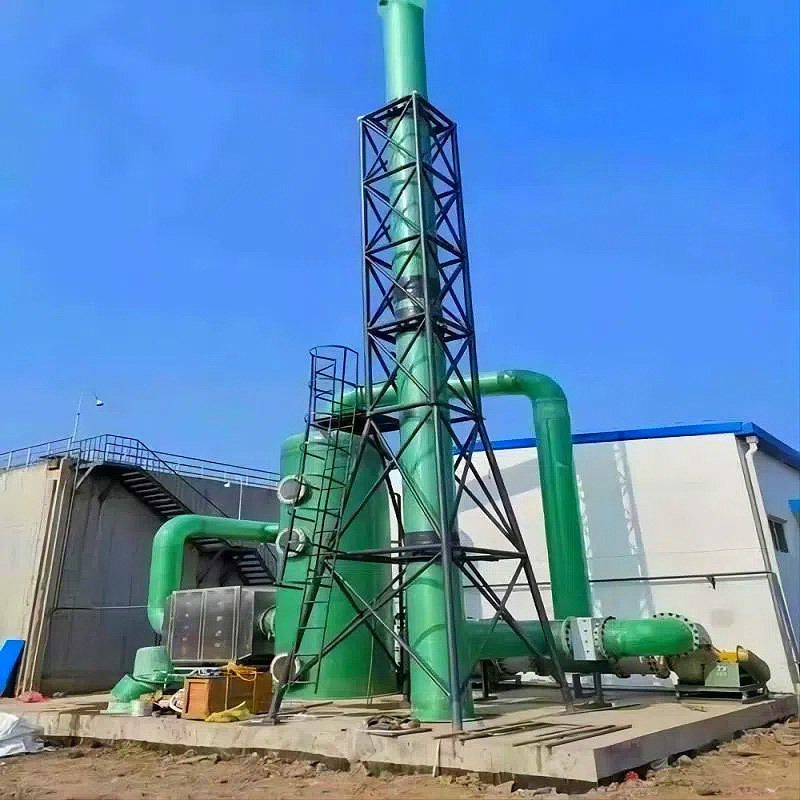
In the chemical processing sector, managing emissions and pollutants is crucial for both environmental and operational efficiency. One essential component in this arena is the Industrial FRP desulfurization tower. These specialized structures are designed to remove sulfur dioxide (SO2) from exhaust gases, thereby reducing air pollution and enhancing compliance with environmental regulations.
FRP m
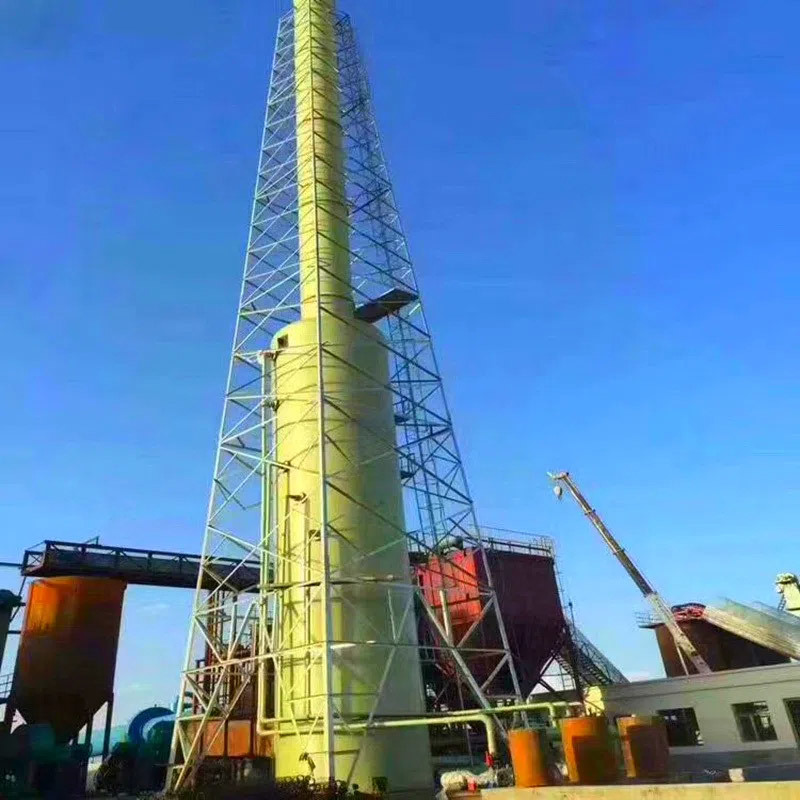
In the chemical processing sector, managing emissions and pollutants is crucial for both environmental and operational efficiency. One essential component in this arena is the Industrial FRP desulfurization tower. These specialized structures are designed to remove sulfur dioxide (SO2) from exhaust gases, thereby reducing air pollution and enhancing compliance with environmental regulations.
FRP materials are favored for desulfurization towers due to their excellent corrosion resistance, lightweight properties, and durability. Traditional materials like steel may succumb to the corrosive environment created by acidic gases and humidity, leading to increased maintenance costs and operational downtime. In contrast, the use of fiberglass reinforced plastic significantly extends the lifespan of the desulfurization equipment, making it a cost-effective investment for companies in the rubber processing and chemical industries.
The operational mechanism of an Industrial FRP desulfurization tower typically involves a wet scrubbing process. In this process, flue gases are introduced into the tower, where they come into contact with a scrubbing liquid—usually an alkaline solution like calcium hydroxide. The sulfur dioxide reacts with the alkaline solution, forming soluble compounds that can be easily removed from the gas stream. This method not only minimizes SO2 emissions but also recycles valuable materials, reducing waste and increasing overall efficiency.
In addition to their operational advantages, Industrial FRP desulfurization towers contribute to a company's sustainability goals. By reducing sulfur dioxide emissions, they help mitigate acid rain and other environmental issues associated with air pollution. This is increasingly important as regulatory bodies around the world tighten emissions standards. Companies that adopt effective desulfurization technologies not only comply with legal requirements but also enhance their corporate reputation by demonstrating a commitment to environmental stewardship.
Moreover, the integration of technology in FRP desulfurization systems has advanced significantly. Many modern towers are equipped with monitoring and control systems that enhance operational efficiency. Real-time data allows companies to optimize their processes, ensuring maximum removal of sulfur compounds while minimizing energy consumption and water use.
In conclusion, the Industrial FRP desulfurization tower is a vital element in contemporary chemical processing. Its unique material properties, operational effectiveness, and contribution to environmental compliance make it indispensable for industries aiming to improve air quality and operational efficiency. Companies that prioritize the implementation of such technologies not only meet regulatory standards but also position themselves as leaders in sustainable industrial practices.
Perhaps You Also Need:
All
- All
- Product Management
- News
- Introduction
- Enterprise outlets
- FAQ
- Enterprise Video
- Enterprise Atlas
Address
China ● Glass Steel City, Zaoqiang County, Hengshui City, Hebei Province