

How to Select the Right Fiberglass Hand-Layup Pipe Fittings for Your Project
Sep 22,2026
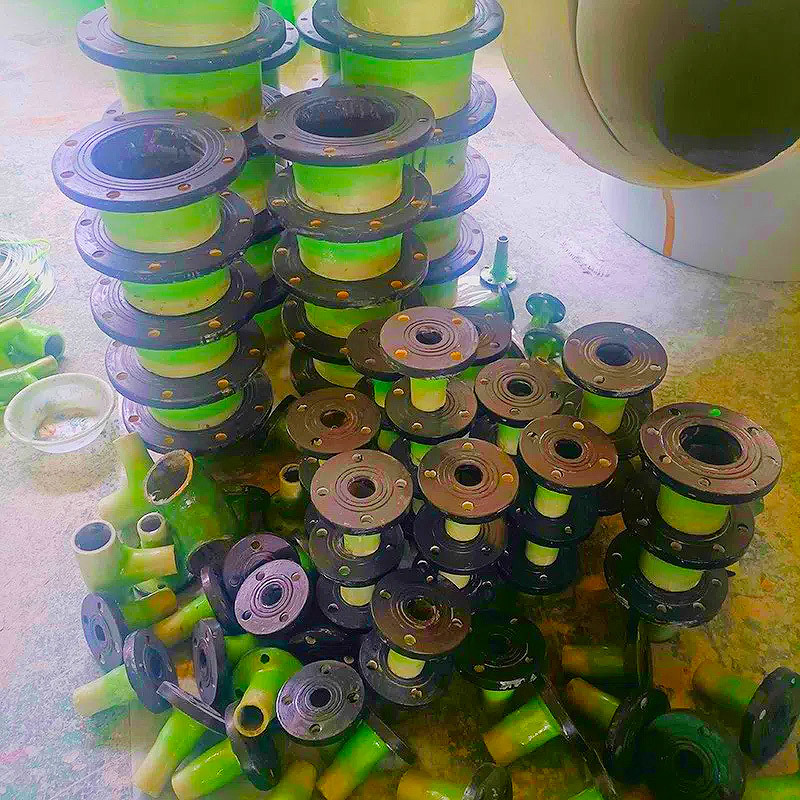
How to Select the Right Fiberglass Hand-Layup Pipe Fittings for Your Project
When it comes to construction and decoration materials, specifically in the realm of piping, choosing the right fittings is crucial for the success of your projects. Fiberglass hand-layup pipe fittings have become increasingly popular due to their unique properties and benefits. In this detailed guide, we will explore the essential aspects of selecting the right fiberglass hand-layup pipe fittings for your specific project needs.
Table of Contents
- Understanding Fiberglass and Its Applications
- Benefits of Using Fiberglass Hand-Layup Pipe Fittings
- Types of Fiberglass Hand-Layup Pipe Fittings
- Determining Your Project Requirements
- Key Factors to Consider When Selecting Fittings
- Installation and Maintenance Tips
- Common Mistakes to Avoid in Selection
- Frequently Asked Questions
- Conclusion
Understanding Fiberglass and Its Applications
Fiberglass is a composite material made from a mixture of glass fibers and resin. These materials are known for their **high strength-to-weight ratio**, corrosion resistance, and excellent thermal insulation properties. Fiberglass hand-layup pipe fittings are specifically crafted using the hand layup method, which involves manually laying sheets of fiberglass and resin to create a strong, durable fitting. This method allows for customization and flexibility in design, making it suitable for various applications, including:
- Pipelines in chemical processing facilities
- Water treatment plants
- Pumping stations
- Marine applications
- Industrial settings
Benefits of Using Fiberglass Hand-Layup Pipe Fittings
Choosing fiberglass hand-layup pipe fittings comes with a multitude of benefits that can greatly enhance the efficiency and longevity of your project. Some of the key advantages include:
1. Corrosion Resistance
Fiberglass is inherently resistant to a wide range of chemicals, making it an ideal choice for environments exposed to corrosive substances. This property contributes to the longevity of the fittings.
2. Lightweight
Compared to traditional materials like metal, fiberglass is much lighter, simplifying transportation and installation. This can lead to reduced labor costs and easier handling on-site.
3. High Strength and Durability
Despite its lightweight nature, fiberglass offers exceptional strength, ensuring that the fittings can withstand high pressure and harsh conditions.
4. Thermal Insulation
Fiberglass fittings provide excellent thermal insulation, which is beneficial in applications where temperature fluctuations are a concern.
5. Customizability
The hand-layup method allows for a high degree of customization, enabling fittings to be tailored to meet specific project requirements.
Types of Fiberglass Hand-Layup Pipe Fittings
There are several different types of fiberglass hand-layup pipe fittings that you can choose from, depending on the specific needs of your project:
1. Elbows
Used to change the direction of piping, elbows are crucial in maintaining the flow of fluids in various systems.
2. Tees
These fittings allow for branching off the main pipeline into two directions, making them essential in complex piping systems.
3. Reducers
Reducers are used to connect pipes of different diameters, ensuring a smooth transition and maintaining flow efficiency.
4. Flanges
Flanged fittings help to join two sections of pipe together, providing a secure connection while allowing for easy disassembly when needed.
5. Couplings
Used to connect two pipes together, couplings are vital for extending the length of a pipeline.
Determining Your Project Requirements
Before selecting fiberglass hand-layup pipe fittings, it is essential to assess your project's specific requirements. Here are some critical factors to consider:
1. Fluid Type
Understanding the type of fluid that will flow through the piping system is crucial. Different fluids may require different materials, especially if they are corrosive or at extreme temperatures.
2. Operating Pressure and Temperature
Determine the maximum operating pressure and temperature of your system. The fittings you select must be able to withstand these conditions without failing.
3. Environmental Conditions
Consider the environmental factors where the fittings will be installed. Factors such as UV exposure, humidity, and chemical exposure can significantly impact the performance and lifespan of the fittings.
4. Installation Space
The available space for installation can influence your choice of fittings. Some fittings may require more space for installation than others.
Key Factors to Consider When Selecting Fittings
When selecting fiberglass hand-layup pipe fittings for your project, several key factors should guide your decision-making process:
1. Quality of Materials
Ensure that the fiberglass and resin used in the fittings are of high quality. Low-quality materials can lead to premature failure and increased maintenance costs.
2. Manufacturer Reputation
Choosing fittings from reputable manufacturers can provide peace of mind regarding quality and performance. Research manufacturers and read reviews to gauge their reliability.
3. Compliance with Standards
Ensure that the fittings comply with relevant industry standards and regulations. This is crucial for safety and performance assurance.
4. Cost Considerations
While it may be tempting to choose the least expensive option, consider the long-term costs associated with maintenance and replacement. Investing in quality fittings may save money over time.
Installation and Maintenance Tips
Proper installation and maintenance are vital for the longevity of fiberglass hand-layup pipe fittings. Here are some tips:
1. Follow Manufacturer Guidelines
Always adhere to the manufacturer's installation instructions. This ensures that the fittings are installed correctly and perform as intended.
2. Inspect Regularly
Regular inspections can help identify any potential issues early, allowing for timely maintenance or replacement.
3. Use Appropriate Tools
Using the right tools during installation can prevent damage to the fittings and ensure a secure connection.
4. Clean and Maintain
Regular cleaning and maintenance can prevent buildup of debris and corrosion, prolonging the life of the fittings.
Common Mistakes to Avoid in Selection
When selecting fiberglass hand-layup pipe fittings, be wary of the following common mistakes:
1. Neglecting to Assess Project Needs
Failing to fully understand project requirements can lead to selecting the wrong fittings, which may result in performance issues.
2. Choosing Based Solely on Price
While cost is a factor, it's essential to prioritize quality and durability over the initial price.
3. Ignoring Manufacturer Specifications
Overlooking manufacturer specifications can lead to improper installation and reduced performance.
4. Skipping Maintenance
Neglecting regular maintenance can lead to costly repairs or replacements down the line.
Frequently Asked Questions
1. What are the advantages of fiberglass over traditional pipe fittings?
Fiberglass offers corrosion resistance, lightweight characteristics, high strength, and thermal insulation, making it an ideal choice for various applications.
2. How do I know if fiberglass fittings are suitable for my project?
Evaluate your project’s requirements, including fluid type, operating temperature, and environmental conditions to determine if fiberglass fittings are suitable.
3. Can fiberglass fittings be used in extreme temperatures?
Yes, fiberglass fittings can withstand extreme temperatures, but it is essential to verify the specific temperature ratings of the fittings you select.
4. How can I ensure proper installation of fiberglass fittings?
Follow the manufacturer's installation guidelines, use appropriate tools, and ensure that the fittings are compatible with your piping system.
5. What is the expected lifespan of fiberglass fittings?
With proper installation and maintenance, fiberglass fittings can last for many years, often exceeding the lifespan of traditional materials.
Conclusion
Choosing the right fiberglass hand-layup pipe fittings for your project is a critical decision that can influence the overall success of your plumbing or piping system. By understanding the benefits, types, and essential factors to consider, you can make informed choices that enhance durability, performance, and efficiency. Investing time in selecting quality fittings will ultimately lead to a more reliable and long-lasting solution for your project. Remember, proper installation and maintenance will further extend the life of your fiberglass fittings, ensuring that your piping systems operate smoothly for years to come.
Perhaps You Also Need:
- All
- Product Management
- News
- Introduction
- Enterprise outlets
- FAQ
- Enterprise Video
- Enterprise Atlas
Address
China ● Glass Steel City, Zaoqiang County, Hengshui City, Hebei Province