

Exploring the Benefits of Fiberglass Pultruded Angle Bars in Construction
Sep 27,2026
Fiberglass pultruded angle bars have emerged as a preferred choice for various construction applications, especially in environments that demand durability and resistance to corrosion. These angle bars are manufactured through a process known as pultrusion, which combines continuous fibers with a resin, resulting in a strong, lightweight product that is ideal for many structural uses.
One of the p
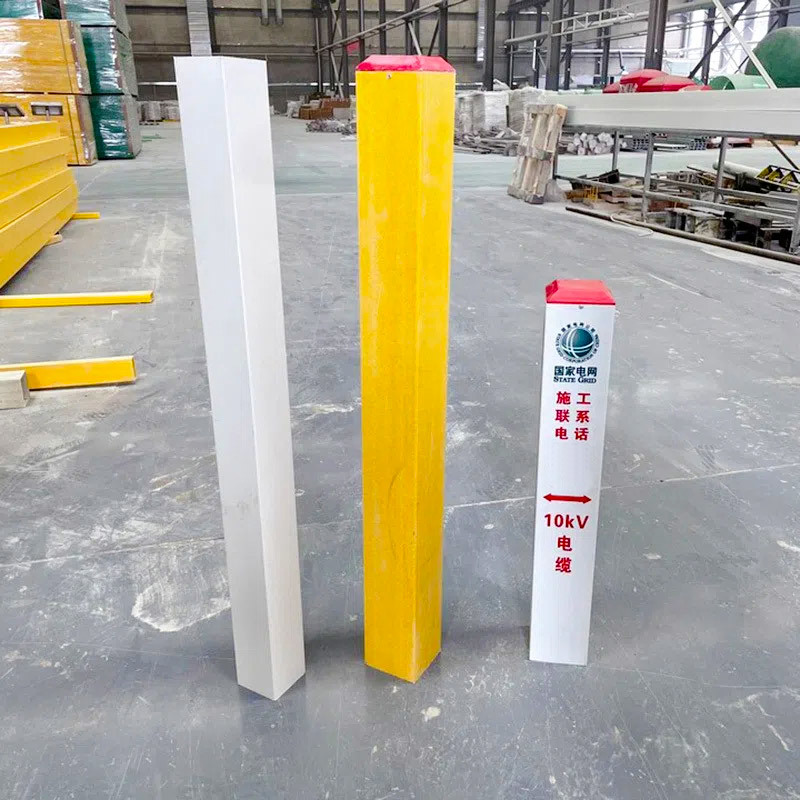
Fiberglass pultruded angle bars have emerged as a preferred choice for various construction applications, especially in environments that demand durability and resistance to corrosion. These angle bars are manufactured through a process known as pultrusion, which combines continuous fibers with a resin, resulting in a strong, lightweight product that is ideal for many structural uses.
One of the primary advantages of fiberglass pultruded angle bars is their exceptional strength-to-weight ratio. Unlike traditional steel angle bars, fiberglass offers significant weight savings while maintaining high tensile strength. This characteristic not only makes it easier to handle and install but also reduces the overall load on structural frameworks, allowing for more flexible design options.
Another significant benefit of fiberglass pultruded angle bars is their resistance to corrosive environments. Unlike metal products that can rust or corrode when exposed to moisture, chemicals, or saltwater, fiberglass is inherently resistant to these factors. This property makes fiberglass angle bars particularly suitable for applications in coastal areas, chemical plants, and other environments where traditional materials would deteriorate rapidly.
In terms of thermal insulation, fiberglass pultruded angle bars outshine their metal counterparts. They do not conduct heat, which can be advantageous in maintaining energy efficiency within buildings. This property also means less thermal bridging, which can contribute to improved insulation performance in construction.
Additionally, fiberglass pultruded angle bars are low-maintenance materials. Once installed, they require little upkeep compared to traditional steel, which often necessitates regular painting or treatment to prevent corrosion. This aspect not only saves time and labor costs but also contributes to the longevity of the structure.
Furthermore, the versatility of fiberglass angle bars allows them to be used in a wide range of applications. They can be utilized in forming frames, supports, and brackets in many construction projects, including residential, commercial, and industrial structures. Their customizable nature means they can be tailored to meet specific project requirements, making them a go-to solution for architects and builders alike.
In summary, fiberglass pultruded angle bar suppliers provide a range of products that cater to the evolving needs of the construction industry. With benefits such as high strength-to-weight ratio, corrosion resistance, thermal insulation properties, low maintenance, and versatility, these angle bars represent an innovative choice for modern building projects. As the demand for sustainable and durable materials continues to rise, fiberglass pultruded angle bars stand out as a reliable solution for structural integrity and long-lasting performance in various applications.
Perhaps You Also Need:
All
- All
- Product Management
- News
- Introduction
- Enterprise outlets
- FAQ
- Enterprise Video
- Enterprise Atlas
Address
China ● Glass Steel City, Zaoqiang County, Hengshui City, Hebei Province