

Choosing the Right Manufacturer for Your FRP Composite Handrails: A Comprehensive Guide
Oct 02,2026
Choosing the Right Manufacturer for Your FRP Composite Handrails
Table of Contents
Introduction
What Are FRP Composite Handrails?
Benefits of FRP Composite Handrails
Why the Right Manufacturer Matters
Key Factors to Consider When Choosing a Manufacturer
Quality of Materials
Manufacturing Process
Certifications and Industry Standards
Choosing the Right Manufacturer for Your FRP Composite Handrails
Table of Contents
- Introduction
- What Are FRP Composite Handrails?
- Benefits of FRP Composite Handrails
- Why the Right Manufacturer Matters
- Key Factors to Consider When Choosing a Manufacturer
- Quality of Materials
- Manufacturing Process
- Certifications and Industry Standards
- Customer Service and Support
- Customization Options
- Questions to Ask Potential Manufacturers
- Case Studies and Reviews
- Conclusion
- FAQs
Introduction
In the ever-evolving construction and architectural industries, the demand for durable, lightweight, and aesthetically pleasing materials is on the rise. One such innovation that has gained significant traction is **Fiberglass Reinforced Polymer (FRP)** composite handrails. Choosing the right manufacturer for these vital safety components is crucial to ensure longevity, compliance with safety standards, and customer satisfaction. In this article, we will dive deep into the aspects you need to consider when selecting a manufacturer for your FRP composite handrails.
What Are FRP Composite Handrails?
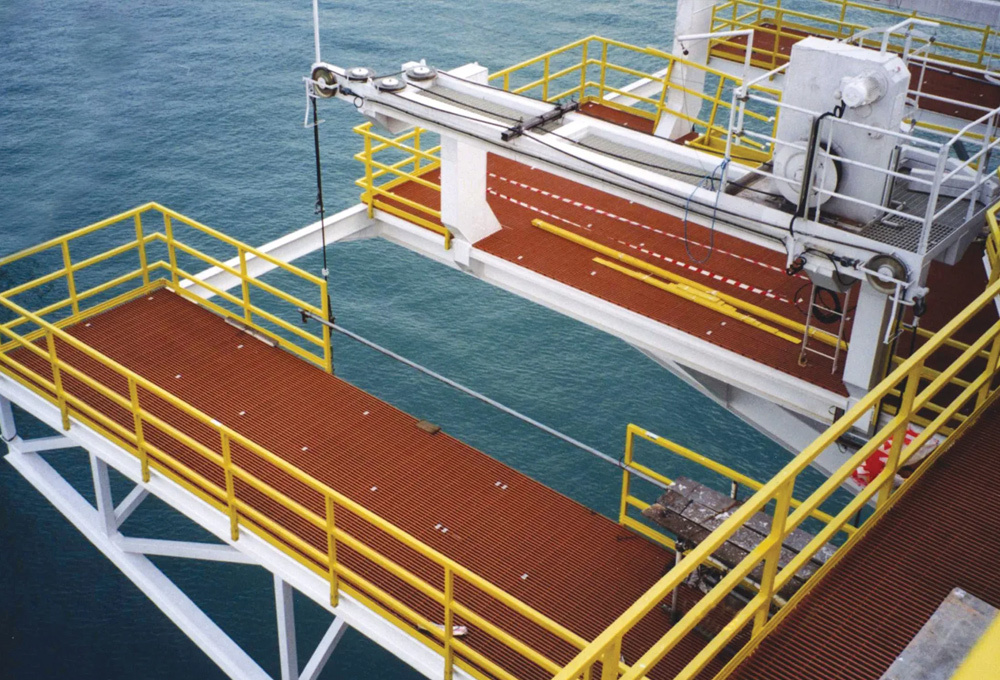
FRP composite handrails are built using a polymer matrix reinforced with fiberglass, resulting in a material that is robust yet lightweight. These handrails are favored for their resistance to corrosion, low maintenance requirements, and adaptability to various design styles. They can be used in a range of applications, from residential properties to commercial spaces and industrial sites.
Benefits of FRP Composite Handrails
The benefits of FRP composite handrails are manifold. Here are a few key advantages:
Durability
FRP handrails withstand harsh weather conditions and do not rust like traditional metal options. Their structural integrity remains intact over time, ensuring they provide reliable support.
Lightweight Design
The lightweight nature of FRP makes it easier to handle and install, significantly reducing labor costs during construction.
Low Maintenance
Unlike wood or metal, FRP does not require painting, staining, or sealing. A simple wash with soap and water is often enough to maintain its appearance.
Customizable Aesthetics
FRP can be manufactured in various colors and textures, allowing for a plethora of design options to suit any architectural style.
Why the Right Manufacturer Matters
Selecting a reputable manufacturer for your FRP composite handrails is essential for several reasons. Here’s why choosing wisely can affect your project’s outcome:
Quality Assurance
The quality of handrails is directly linked to the manufacturer’s practices. A trusted manufacturer adheres to strict quality control measures, leading to superior products.
Compliance with Regulations
Safety regulations must be met for handrails, especially in commercial applications. A reliable manufacturer ensures that their products comply with local and national standards.
Longevity and Reliability
Choosing a manufacturer with a good reputation typically translates to durable and reliable products, which can save you costs in the long run.
Key Factors to Consider When Choosing a Manufacturer
To ensure you select the right manufacturer for your FRP composite handrails, consider the following key factors:
Quality of Materials
Ensure that the manufacturer uses high-grade materials to create FRP composite handrails. Look for manufacturers that provide specifications regarding the types of resins and fiberglass used, as these will significantly impact the final product's performance.
Manufacturing Process
Understanding the manufacturing process can give you insights into the quality of the end product. Some manufacturers employ advanced techniques such as compression molding or pultrusion, which can enhance the strength and consistency of the handrails.
Certifications and Industry Standards
Check if the manufacturer has the necessary certifications and complies with industry standards. This includes ISO certifications and adherence to safety guidelines such as those set by ASTM International.
Customer Service and Support
Choose a manufacturer that offers excellent customer service. They should be willing to answer your questions and provide support throughout the purchasing process, including installation guidance.
Customization Options
Every project is unique. A good manufacturer should offer customization options to cater to specific design needs and preferences, whether it’s color, texture, or dimensions.
Questions to Ask Potential Manufacturers
When reaching out to potential manufacturers, consider asking these essential questions:
1. **What materials do you use for your FRP composite handrails?**
2. **Can you provide examples of past projects or case studies?**
3. **What certifications do you hold?**
4. **What is your lead time for production and delivery?**
5. **Do you offer warranties or guarantees on your products?**
6. **How do you handle quality control during the manufacturing process?**
7. **Can you provide references from other clients?**
Case Studies and Reviews
Researching case studies and reviews can provide valuable insights into a manufacturer’s reputation. Look for testimonials from other customers and case studies that showcase the manufacturer’s ability to deliver high-quality, reliable FRP composite handrails.
Importance of Real-World Examples
Understanding how a manufacturer has performed in real-world applications can help you gauge their reliability. Seek out examples where the handrails have been installed in similar environments to your project.
Conclusion
Choosing the right manufacturer for your FRP composite handrails is a crucial step in ensuring the safety, durability, and aesthetic appeal of your construction project. By focusing on quality materials, manufacturing processes, certifications, and customer support, you can make an informed decision that aligns with your project needs. By asking the right questions and doing thorough research, you not only ensure compliance with safety standards but also invest in the long-term success of your endeavor.
FAQs
1. What is the lifespan of FRP composite handrails?
FRP composite handrails can last for decades, depending on the quality of materials and maintenance. They are designed to withstand harsh conditions, making them highly durable.
2. Are FRP composite handrails suitable for outdoor use?
Yes, FRP composite handrails are ideal for outdoor environments due to their resistance to corrosion, UV light, and moisture.
3. Can FRP composite handrails be painted or stained?
While FRP handrails do not require painting, they can be painted if desired. However, it’s best to consult the manufacturer for recommended products and procedures.
4. How do I maintain FRP composite handrails?
Maintenance is minimal; simply wash with soap and water periodically to keep them looking new.
5. What are the customization options available for FRP composite handrails?
Customization options include color, texture, height, and length. Discuss your specific needs with the manufacturer to explore available choices.
Perhaps You Also Need:
All
- All
- Product Management
- News
- Introduction
- Enterprise outlets
- FAQ
- Enterprise Video
- Enterprise Atlas
Address
China ● Glass Steel City, Zaoqiang County, Hengshui City, Hebei Province