

Vacuum-Infused FRP Panels: Unmatched Strength and Durability for Modern Construction
Oct 12,2026
Vacuum-Infused FRP Panels: Unmatched Strength and Durability for Modern Construction
Table of Contents
1. Introduction to Vacuum-Infused FRP Panels
2. What are FRP Panels?
3. The Vacuum Infusion Process Explained
4. Advantages of Vacuum-Infused FRP Panels
5. Applications of FRP Panels in Construction
6. Comparison with Traditional Building Materials
7. Sustainability a
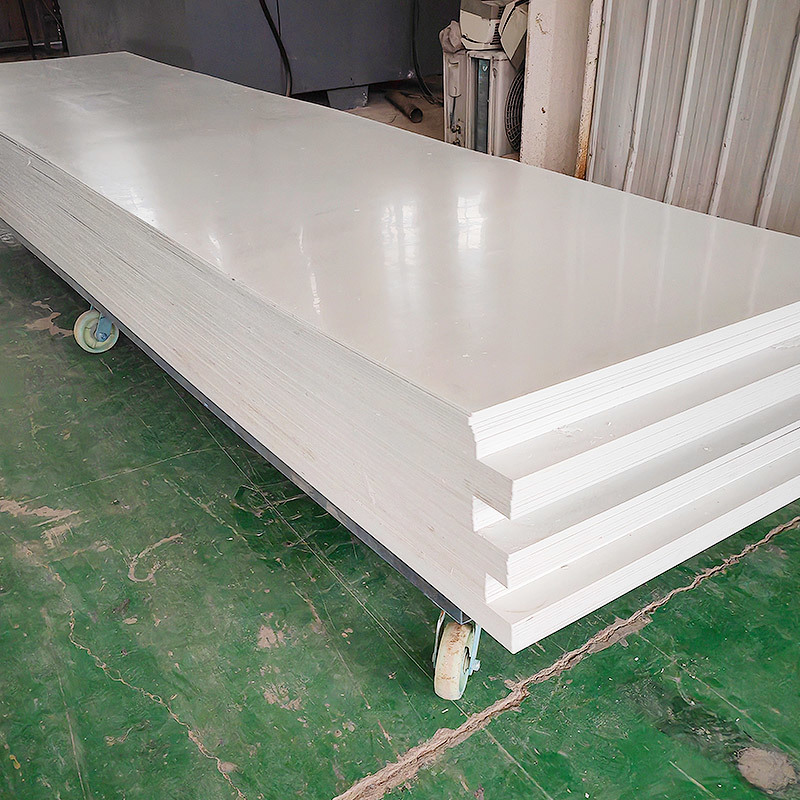
Vacuum-Infused FRP Panels: Unmatched Strength and Durability for Modern Construction
Table of Contents
- 1. Introduction to Vacuum-Infused FRP Panels
- 2. What are FRP Panels?
- 3. The Vacuum Infusion Process Explained
- 4. Advantages of Vacuum-Infused FRP Panels
- 5. Applications of FRP Panels in Construction
- 6. Comparison with Traditional Building Materials
- 7. Sustainability and Environmental Impact
- 8. The Future of Vacuum-Infused FRP Panels
- 9. Frequently Asked Questions
- 10. Conclusion
1. Introduction to Vacuum-Infused FRP Panels
In the modern construction industry, the demand for materials that offer **excellent performance** while being lightweight and durable is ever-increasing. **Vacuum-infused FRP (Fiber Reinforced Polymer) panels** are at the forefront of this trend. These innovative panels not only provide remarkable strength but also excel in various applications, from commercial buildings to marine environments. This article explores the unique features of vacuum-infused FRP panels, their production process, advantages, and how they compare to traditional building materials.
2. What are FRP Panels?
FRP panels are composite materials made from a polymer matrix reinforced with fibers. The most commonly used fibers are **glass, carbon, or aramid**, which significantly enhance the mechanical properties of the polymer. These panels are designed to offer a **strong, lightweight solution** for various construction needs, making them an attractive alternative to traditional materials like wood, steel, and concrete.
3. The Vacuum Infusion Process Explained
The **vacuum infusion process** is a technique that involves using a vacuum to draw resin into a dry fiber layup. This method ensures a thorough impregnation of the fibers, resulting in a strong and uniform panel. Here’s how it works:
3.1 Preparation of the Mold
The first step involves preparing the mold where the FRP panels will be formed. This mold is often made of metal or hard plastic and is coated with a release agent to facilitate easy demolding once the resin cures.
3.2 Dry Fiber Layup
Next, dry fiberglass or other reinforcing fibers are laid into the mold. This step is crucial as the orientation of the fibers affects the final strength and performance of the panel.
3.3 Application of Vacuum
Once the fibers are positioned, a vacuum is applied to the mold. This creates a pressure differential that helps in drawing the resin into the fiber mat.
3.4 Resin Infusion
The resin, typically a thermosetting polymer, is then introduced into the mold. The vacuum ensures that the resin saturates the fibers completely, eliminating air voids and ensuring optimal bonding.
3.5 Curing
Finally, the panel is cured, either at room temperature or with the application of heat, depending on the resin system used.
This method guarantees **consistency and quality**, leading to superior mechanical properties that can outperform many traditional materials.
4. Advantages of Vacuum-Infused FRP Panels
Vacuum-infused FRP panels are not just another building material; they offer a multitude of advantages that make them a superior choice for various applications.
4.1 Exceptional Strength-to-Weight Ratio
One of the most significant benefits of FRP panels is their **high strength-to-weight ratio**. They are much lighter than traditional materials like steel or concrete, making them easier to handle and install.
4.2 Corrosion Resistance
FRP panels are inherently resistant to chemicals and moisture. This property makes them ideal for use in environments exposed to harsh conditions, such as coastal areas or chemical plants.
4.3 Thermal Insulation
These panels provide excellent thermal insulation, reducing energy costs associated with heating and cooling buildings.
4.4 Design Flexibility
The versatility of FRP panels allows for a range of design options. They can be manufactured in various colors, shapes, and sizes, enabling architects and designers to achieve their vision without compromising on structural integrity.
4.5 Low Maintenance Requirements
With their durable nature, FRP panels require minimal maintenance over time. This can lead to significant cost savings over the life of the building.
5. Applications of FRP Panels in Construction
Vacuum-infused FRP panels are used in myriad applications across different sectors. Their unique properties make them suitable for:
5.1 Commercial Buildings
In commercial construction, these panels can be used for **facades, ceilings, and partitions**, providing a modern aesthetic while ensuring durability.
5.2 Marine and Nautical Applications
FRP panels are widely used in the marine industry due to their **water resistance** and lightweight nature, making them ideal for boat hulls and marine structures.
5.3 Infrastructure Projects
From bridges to tunnels, FRP panels are increasingly being integrated into infrastructure projects for their robustness and resistance to environmental factors.
5.4 Transportation
In the automotive and aerospace sectors, vacuum-infused FRP panels contribute to weight reduction, enhancing fuel efficiency without sacrificing safety or performance.
6. Comparison with Traditional Building Materials
When it comes to performance, vacuum-infused FRP panels excel in several key areas compared to traditional materials like steel, wood, and concrete.
6.1 Weight
FRP panels are significantly lighter than steel, which can reduce the overall weight of structures and lead to lower foundation costs.
6.2 Strength
While wood can warp and steel can corrode, FRP panels maintain their structural integrity under a wide range of conditions, making them a more reliable choice in the long term.
6.3 Longevity
With their resistance to environmental damage, FRP panels often outlast traditional materials, reducing the need for repairs and replacements.
7. Sustainability and Environmental Impact
In an age where sustainability is a key consideration, vacuum-infused FRP panels stand out for several reasons.
7.1 Recyclability
Many FRP composites are designed to be recyclable, helping to minimize waste in the construction industry.
7.2 Reduced Energy Consumption
The thermal insulation properties of FRP panels contribute to energy savings in buildings, reducing the carbon footprint associated with heating and cooling.
8. The Future of Vacuum-Infused FRP Panels
As technology advances, the capabilities of vacuum-infused FRP panels are expected to improve. Innovations in manufacturing processes and material science will likely enhance their performance further, making them an even more attractive option for builders and architects in the future.
9. Frequently Asked Questions
9.1 What is the lifespan of vacuum-infused FRP panels?
With proper installation and maintenance, FRP panels can last for several decades, often outliving traditional materials.
9.2 Are vacuum-infused FRP panels fire-resistant?
Yes, FRP panels can be engineered to meet fire resistance standards, making them suitable for various applications.
9.3 Can FRP panels be custom made?
Absolutely! FRP panels can be customized in terms of size, color, and design to meet specific project requirements.
9.4 How do FRP panels compare in cost to traditional materials?
While the initial investment may be higher, the long-term savings in maintenance and replacement often make FRP panels a cost-effective solution.
9.5 Are there any limitations to using FRP panels?
While FRP panels offer numerous advantages, they may not be suitable for all applications, particularly where high-impact resistance is required.
10. Conclusion
Vacuum-infused FRP panels are revolutionizing the construction industry with their **exceptional performance, durability, and flexibility**. As we have explored, these panels offer numerous advantages over traditional materials, making them a smart choice for modern building projects. With the ability to withstand harsh environments while providing energy efficiency and design versatility, FRP panels are poised to play a significant role in the future of sustainable construction. Embracing this innovative technology not only enhances building performance but also contributes to a greener and more efficient construction industry.
Perhaps You Also Need:
All
- All
- Product Management
- News
- Introduction
- Enterprise outlets
- FAQ
- Enterprise Video
- Enterprise Atlas
Address
China ● Glass Steel City, Zaoqiang County, Hengshui City, Hebei Province