

Exploring the Benefits of Industrial FRP Desulfurization Towers in Chemical Processing
Mar 01,2026
Industrial FRP (Fiber Reinforced Plastic) desulfurization towers have become a pivotal component in the chemical industry, particularly in rubber processing applications. The primary function of these towers is to remove sulfur dioxide emissions generated during various industrial processes. This is crucial, not only for compliance with environmental regulations but also for improving overall air
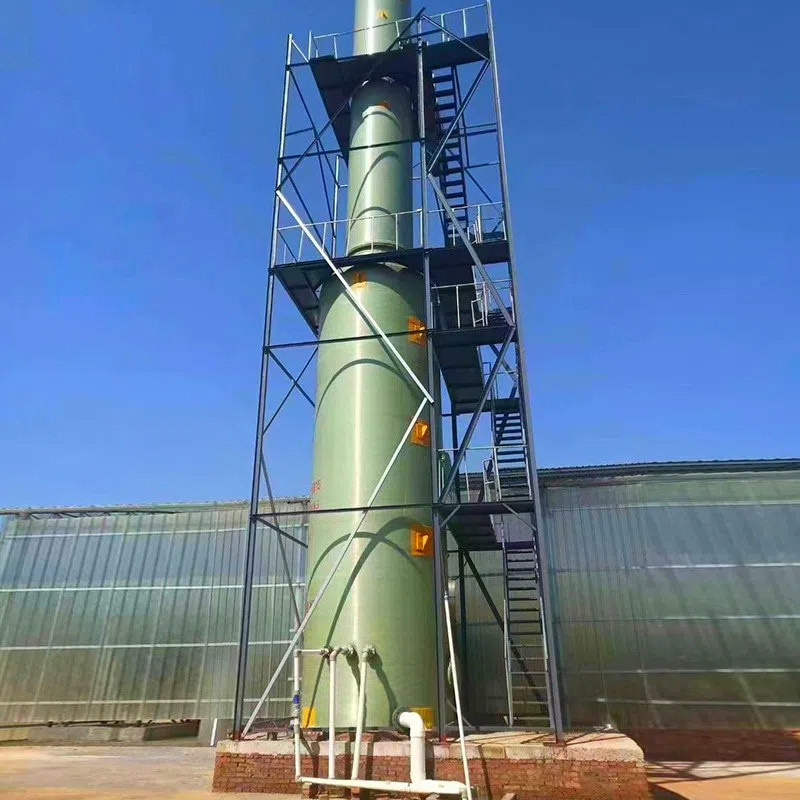
Industrial FRP (Fiber Reinforced Plastic) desulfurization towers have become a pivotal component in the chemical industry, particularly in rubber processing applications. The primary function of these towers is to remove sulfur dioxide emissions generated during various industrial processes. This is crucial, not only for compliance with environmental regulations but also for improving overall air quality.
One of the standout features of FRP desulfurization towers is their durability and resistance to corrosive environments. Unlike traditional materials that can suffer from degradation over time, FRP offers significant advantages due to its lightweight composition and robust nature. This means that maintenance costs are typically lower, and the lifespan of the equipment is extended, making it a wise investment for chemical manufacturers.
Moreover, the design of Industrial FRP desulfurization towers allows for optimal contact between the gas and absorbent solution, enhancing the efficiency of sulfur dioxide removal. The towers utilize a countercurrent flow system, which maximizes gas absorption and ensures that SO2 is effectively captured before it can be released into the atmosphere. This design not only boosts operational efficiency but also contributes to the sustainability goals of modern chemical processing facilities.
In addition to their operational efficiency, FRP desulfurization towers can be customized to meet specific operational needs. This flexibility is essential for rubber processing machinery, where varying production requirements may influence the scale and capacity of the desulfurization system. Manufacturers can work closely with engineering teams to ensure that the tower’s specifications align with their individual production processes, optimizing performance and compliance with environmental standards.
Furthermore, the implementation of Industrial FRP desulfurization towers supports compliance with increasingly stringent environmental regulations. As governments worldwide ramp up initiatives to curb emissions, industries must adapt by incorporating advanced technologies that promote cleaner production methods. By investing in desulfurization technology, companies demonstrate their commitment to environmental sustainability and corporate responsibility.
In conclusion, Industrial FRP desulfurization towers present numerous advantages for the chemical industry, particularly within rubber processing applications. Their resilience, efficiency, and adaptability make them an essential component in the quest for cleaner production. By integrating these advanced systems, organizations not only comply with legal requirements but also contribute positively to the environment, showcasing their leadership in sustainable industrial practices. Embracing such technologies is a proactive step toward a more sustainable future in chemical processing.
One of the standout features of FRP desulfurization towers is their durability and resistance to corrosive environments. Unlike traditional materials that can suffer from degradation over time, FRP offers significant advantages due to its lightweight composition and robust nature. This means that maintenance costs are typically lower, and the lifespan of the equipment is extended, making it a wise investment for chemical manufacturers.
Moreover, the design of Industrial FRP desulfurization towers allows for optimal contact between the gas and absorbent solution, enhancing the efficiency of sulfur dioxide removal. The towers utilize a countercurrent flow system, which maximizes gas absorption and ensures that SO2 is effectively captured before it can be released into the atmosphere. This design not only boosts operational efficiency but also contributes to the sustainability goals of modern chemical processing facilities.
In addition to their operational efficiency, FRP desulfurization towers can be customized to meet specific operational needs. This flexibility is essential for rubber processing machinery, where varying production requirements may influence the scale and capacity of the desulfurization system. Manufacturers can work closely with engineering teams to ensure that the tower’s specifications align with their individual production processes, optimizing performance and compliance with environmental standards.
Furthermore, the implementation of Industrial FRP desulfurization towers supports compliance with increasingly stringent environmental regulations. As governments worldwide ramp up initiatives to curb emissions, industries must adapt by incorporating advanced technologies that promote cleaner production methods. By investing in desulfurization technology, companies demonstrate their commitment to environmental sustainability and corporate responsibility.
In conclusion, Industrial FRP desulfurization towers present numerous advantages for the chemical industry, particularly within rubber processing applications. Their resilience, efficiency, and adaptability make them an essential component in the quest for cleaner production. By integrating these advanced systems, organizations not only comply with legal requirements but also contribute positively to the environment, showcasing their leadership in sustainable industrial practices. Embracing such technologies is a proactive step toward a more sustainable future in chemical processing.
Previous:
Perhaps You Also Need:
All
- All
- Product Management
- News
- Introduction
- Enterprise outlets
- FAQ
- Enterprise Video
- Enterprise Atlas
Mobile Phone
Address
China ● Glass Steel City, Zaoqiang County, Hengshui City, Hebei Province