

How Fiberglass Hand-Layup Pipe Fittings Enhance Project Efficiency
Nov 23,2025
How Fiberglass Hand-Layup Pipe Fittings Enhance Project Efficiency
Table of Contents
1. Introduction to Fiberglass Hand-Layup Pipe Fittings
2. Benefits of Fiberglass Hand-Layup Pipe Fittings
3. Enhancing Project Efficiency through Fiberglass Fittings
4. Applications of Fiberglass Hand-Layup Pipe Fittings
5. Key Material Properties of Fiberglass
6. Installation Process and
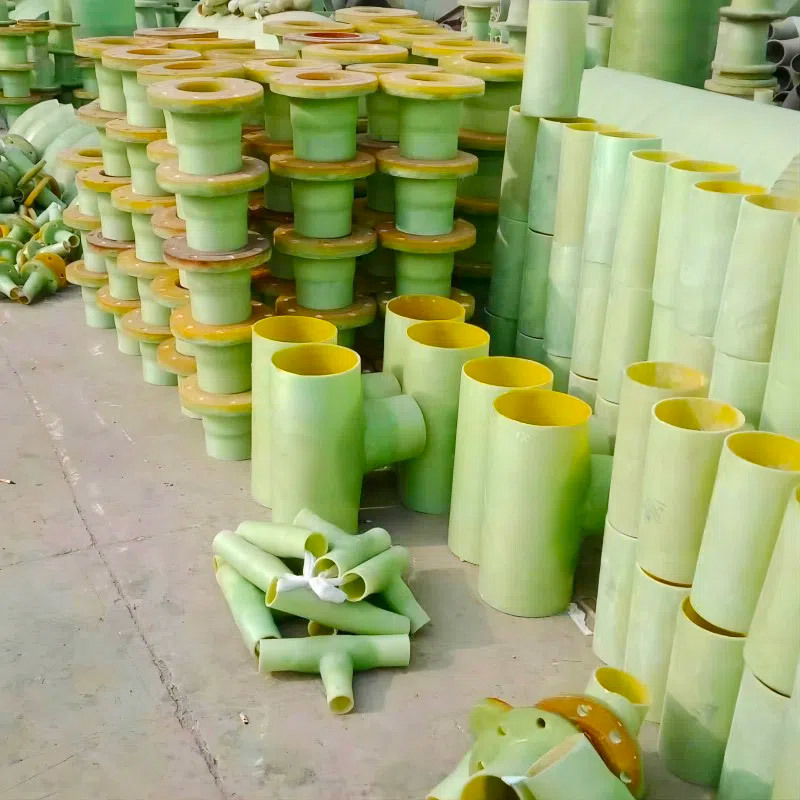
How Fiberglass Hand-Layup Pipe Fittings Enhance Project Efficiency
Table of Contents
- 1. Introduction to Fiberglass Hand-Layup Pipe Fittings
- 2. Benefits of Fiberglass Hand-Layup Pipe Fittings
- 3. Enhancing Project Efficiency through Fiberglass Fittings
- 4. Applications of Fiberglass Hand-Layup Pipe Fittings
- 5. Key Material Properties of Fiberglass
- 6. Installation Process and Considerations
- 7. Cost-Effectiveness of Fiberglass Hand-Layup Pipe Fittings
- 8. Sustainability and Environmental Impact
- 9. Conclusion
- 10. Frequently Asked Questions
1. Introduction to Fiberglass Hand-Layup Pipe Fittings
In the ever-evolving construction industry, the choice of materials plays a pivotal role in the efficiency and success of projects. One such material that has gained significant traction is fiberglass, particularly in the form of **hand-layup pipe fittings**. These fittings are crafted using a specialized process that enhances the resin and fiberglass interactions, leading to superior properties compared to traditional materials. In this article, we will explore how fiberglass hand-layup pipe fittings are revolutionizing project efficiency and redefining standards within the industry.
2. Benefits of Fiberglass Hand-Layup Pipe Fittings
Fiberglass hand-layup pipe fittings offer a range of advantages that contribute to their growing popularity in various applications. Below are some of the key benefits:
2.1 Lightweight Yet Strong
Fiberglass fittings are significantly lighter than metal counterparts, making them easier to handle during installation. Despite their lightweight nature, they maintain impressive strength and durability, capable of withstanding harsh environmental conditions without deformation.
2.2 Corrosion Resistance
One of the standout features of fiberglass is its exceptional resistance to corrosion. Unlike metal pipes that can succumb to rust and degradation, fiberglass maintains its integrity over time, ensuring long-lasting performance.
2.3 Thermal Insulation
Fiberglass fittings offer excellent thermal insulation properties. This feature is particularly beneficial in systems where temperature fluctuations can lead to inefficiencies or damage. By minimizing thermal loss, projects can enhance overall energy efficiency.
2.4 Customization and Versatility
The hand-layup process allows for high levels of customization. Fiberglass pipe fittings can be molded into various shapes and sizes, catering to specific project requirements without compromising quality.
3. Enhancing Project Efficiency through Fiberglass Fittings
Enhancing project efficiency is a goal shared by all stakeholders in the construction industry. Fiberglass hand-layup pipe fittings contribute to this goal in several impactful ways:
3.1 Quick Installation Process
The lightweight nature of fiberglass fittings results in quicker installations, reducing labor costs and project timelines. Fewer delays mean projects can progress more smoothly, allowing for timely completion.
3.2 Reduced Maintenance Needs
With their corrosion resistance and durability, fiberglass fittings require less frequent maintenance than traditional materials. This reduction in maintenance needs translates into cost savings and minimizes project disruptions.
3.3 Improved System Performance
When used in piping systems, fiberglass hand-layup fittings significantly improve performance. Their ability to withstand pressure and temperature variations ensures that systems operate efficiently, reducing the risk of leaks or failures.
4. Applications of Fiberglass Hand-Layup Pipe Fittings
Fiberglass hand-layup pipe fittings are versatile and used across various industries. Some common applications include:
4.1 Water and Wastewater Treatment
The corrosion resistance and durability of fiberglass make it an ideal choice for water and wastewater treatment facilities, where fittings are exposed to harsh chemicals.
4.2 Chemical Processing
In chemical plants, the need for reliable, corrosion-resistant materials is paramount. Fiberglass fittings ensure safety and performance in demanding environments.
4.3 Oil and Gas Industry
Fiberglass fittings are increasingly used in the oil and gas sector due to their ability to handle high-pressure systems without compromising integrity.
4.4 HVAC Systems
In heating, ventilation, and air conditioning systems, fiberglass fittings improve thermal efficiency, contributing to lower energy costs.
5. Key Material Properties of Fiberglass
Understanding the inherent material properties of fiberglass is essential to appreciate its benefits fully. Below are some of its key properties:
5.1 Strength-to-Weight Ratio
Fiberglass has an excellent strength-to-weight ratio, allowing for robust systems without adding significant weight, which can be a critical factor in structural designs.
5.2 Chemical Resistance
Fiberglass is resistant to a wide range of chemicals, making it suitable for various applications, including those involving aggressive substances.
5.3 Dimensional Stability
Fiberglass maintains its shape and size under various temperature and humidity conditions, ensuring reliable performance over time.
6. Installation Process and Considerations
The installation of fiberglass hand-layup pipe fittings requires careful planning to achieve optimal results. Here are some crucial considerations:
6.1 Pre-Installation Assessment
Before installation, a thorough assessment of the project site should be conducted. Understanding the system requirements and environmental conditions will inform the selection of appropriate fittings.
6.2 Proper Handling Techniques
Due to their lightweight nature, fiberglass fittings should be handled with care to avoid any damage during transportation and installation.
6.3 Training for Installers
Training for personnel involved in the installation of fiberglass fittings is crucial. Familiarity with proper installation techniques ensures a successful setup and long-lasting performance.
7. Cost-Effectiveness of Fiberglass Hand-Layup Pipe Fittings
When evaluating the overall cost-effectiveness of fiberglass hand-layup pipe fittings, several factors come into play:
7.1 Initial Investment vs. Long-Term Savings
While the initial cost of fiberglass fittings may be higher than traditional materials, the long-term savings in maintenance, replacement, and operational costs often outweigh this initial investment.
7.2 Labor Costs Reduction
The quick installation process associated with fiberglass fittings contributes to reduced labor costs, making them a more economical choice in the long run.
7.3 Energy Efficiency
By improving system performance and reducing energy losses, fiberglass fittings contribute to lower energy bills, adding to their overall cost-effectiveness.
8. Sustainability and Environmental Impact
As industries move toward more sustainable practices, fiberglass hand-layup pipe fittings offer several advantages:
8.1 Reduced Resource Consumption
Fiberglass materials often require fewer resources to produce compared to metals, contributing to a lower environmental impact.
8.2 Longevity and Recyclability
The durability of fiberglass ensures a longer service life, reducing the need for frequent replacements. Additionally, fiberglass can be recycled, further minimizing its environmental footprint.
8.3 Lower Carbon Emissions
The energy efficiency of systems using fiberglass fittings leads to lower carbon emissions, supporting global sustainability goals.
9. Conclusion
In conclusion, **fiberglass hand-layup pipe fittings** are a game-changer in the construction and decoration materials industry. Their numerous benefits, including lightweight strength, corrosion resistance, and thermal insulation, significantly enhance project efficiency. As industries continue to prioritize sustainability and cost-effectiveness, these fittings provide an ideal solution that not only meets but exceeds the demands of modern infrastructure projects. Choosing fiberglass is not just a decision for today; it's an investment in a more efficient and sustainable future.
10. Frequently Asked Questions
10.1 What are fiberglass hand-layup pipe fittings?
Fiberglass hand-layup pipe fittings are constructed using a process that combines fiberglass and resin to create strong, lightweight, and durable fittings used in various applications, particularly in piping systems.
10.2 How do fiberglass fittings compare to metal fittings?
Fiberglass fittings are lighter, resistant to corrosion, and offer better thermal insulation compared to metal fittings, which can rust and are heavier.
10.3 Can fiberglass fittings be used in high-pressure systems?
Yes, fiberglass fittings are designed to handle high-pressure systems, making them suitable for various industrial applications, including oil and gas.
10.4 What is the lifespan of fiberglass hand-layup fittings?
The lifespan of fiberglass fittings can exceed 20 years, depending on environmental conditions and maintenance practices.
10.5 Are fiberglass fittings environmentally friendly?
Yes, fiberglass fittings are considered environmentally friendly due to their durability, lower resource consumption during production, and potential for recycling.
The next one:
Perhaps You Also Need:
All
- All
- Product Management
- News
- Introduction
- Enterprise outlets
- FAQ
- Enterprise Video
- Enterprise Atlas
Address
China ● Glass Steel City, Zaoqiang County, Hengshui City, Hebei Province