

The Importance of Quality in Fiberglass Desulfurization Tower Exports: Ensuring Reliability and Efficiency
Dec 23,2025
The Importance of Quality in Fiberglass Desulfurization Tower Exports
Fiberglass desulfurization towers play a crucial role in reducing sulfur emissions from industrial processes, making them indispensable in the chemical and rubber processing industries. As global environmental regulations tighten, the demand for high-quality fiberglass desulfurization towers has surged. This article explores the
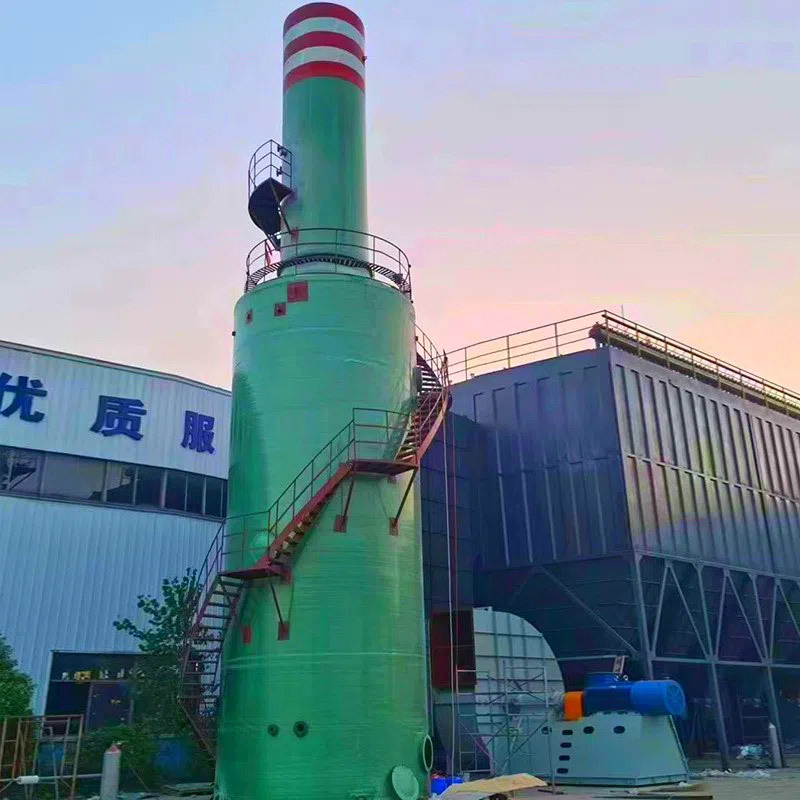
The Importance of Quality in Fiberglass Desulfurization Tower Exports
Fiberglass desulfurization towers play a crucial role in reducing sulfur emissions from industrial processes, making them indispensable in the chemical and rubber processing industries. As global environmental regulations tighten, the demand for high-quality fiberglass desulfurization towers has surged. This article explores the essential aspects of quality in fiberglass desulfurization tower exports and their implications for manufacturers and end-users alike.
Understanding Fiberglass Desulfurization Towers
Fiberglass desulfurization towers are essential components in flue gas treatment systems, particularly in industries that rely on combustion processes. These towers utilize advanced materials and technologies to capture and remove sulfur dioxide (SO2) emissions from exhaust gases. The quality of these towers significantly influences their performance, operational longevity, and environmental impact.
How Fiberglass Desulfurization Towers Work
Fiberglass desulfurization towers operate through a series of processes designed to absorb sulfur dioxide from flue gases. The main steps involved include:
1. **Gas Inlet**: Flue gases enter the tower through designated inlets, ensuring uniform distribution across the absorption media.
2. **Absorption Process**: The gases pass through a liquid absorbent, typically a mixture of water and alkaline solutions, which reacts with SO2 to form soluble compounds.
3. **Separation**: The clean gas exits the tower while the absorbed SO2 is removed for further treatment or disposal.
4. **Recycling and Maintenance**: The absorbent solution is continuously circulated, and regular maintenance ensures optimal performance.
The Role of Quality in Performance
Quality directly affects the efficiency and reliability of fiberglass desulfurization towers. High-quality materials and precise manufacturing processes ensure that these towers can withstand harsh operating conditions, including high temperatures and corrosive environments. Manufacturers must prioritize quality to guarantee optimal performance and longevity.
Key Factors Affecting Quality in Fiberglass Desulfurization Towers
Several factors contribute to the overall quality of fiberglass desulfurization towers. These include:
Material Selection and Composition
The choice of materials used in the construction of fiberglass desulfurization towers plays a pivotal role in their performance. The following materials are commonly used:
- **Fiberglass Reinforced Plastic (FRP)**: Provides excellent corrosion resistance and strength-to-weight ratios.
- **Epoxy Resins**: Enhance durability and chemical resistance, ensuring long-term performance.
- **Thermal Insulation Materials**: Are essential for maintaining optimal operating temperatures.
Selecting high-quality raw materials is crucial for producing reliable and effective desulfurization towers.
Manufacturing Processes
The manufacturing process must adhere to strict quality control measures to ensure consistency and reliability. Key aspects include:
- **Molding Techniques**: Techniques such as hand lay-up, spray-up, or filament winding significantly affect the structural integrity of the towers.
- **Curing Processes**: Proper curing conditions are essential for achieving the desired mechanical properties and chemical resistance.
- **Quality Assurance**: Implementing rigorous testing protocols, including pressure testing and chemical resistance evaluations, helps identify defects before export.
Compliance with Industry Standards
Adhering to international quality standards is vital for manufacturers aiming to export fiberglass desulfurization towers. Key certifications to consider include:
- **ISO 9001**: Quality management systems certification demonstrates a commitment to high manufacturing standards.
- **ASTM Standards**: Compliance with ASTM standards ensures that the materials used meet specific performance criteria.
Meeting these standards not only enhances product quality but also builds trust with international clients.
The Impact of Quality on Export Success
Quality directly influences the success of fiberglass desulfurization tower exports in various ways.
Building Reputation and Trust
High-quality products enhance a manufacturer’s reputation in the global market. When clients consistently receive reliable and efficient desulfurization towers, they are more likely to return for future purchases and recommend the supplier to others.
Reducing Operational Costs
Investing in high-quality fiberglass desulfurization towers often leads to lower long-term operational costs. Enhanced durability reduces maintenance needs and the risk of unexpected downtime, ultimately leading to higher profitability for end-users.
Environmental Compliance and Sustainability
Quality desulfurization towers help industries meet increasingly stringent environmental regulations. By effectively reducing harmful emissions, these towers play a crucial role in sustainable industrial practices, making them more appealing to eco-conscious clients.
Challenges in Ensuring Quality in Exports
Despite the importance of quality, several challenges may arise during the manufacturing and export processes.
Cost Pressures
Manufacturers often face cost pressures that can compromise quality. Striking a balance between cost and quality is crucial for maintaining competitiveness in the global market.
Supply Chain Issues
The availability of high-quality materials can fluctuate, impacting production timelines and quality. Manufacturers must develop reliable supply chains to ensure consistent quality in their products.
Technological Advancements
Keeping up with rapid technological advancements can be challenging. Manufacturers must invest in research and development to stay ahead of industry trends and maintain high-quality standards.
FAQs About Fiberglass Desulfurization Towers
1. What are fiberglass desulfurization towers used for?
Fiberglass desulfurization towers are used to capture and remove sulfur dioxide emissions from industrial flue gases, helping industries comply with environmental regulations.
2. How do I determine the quality of a fiberglass desulfurization tower?
Assess the manufacturer’s certifications, material specifications, and quality control processes. Look for compliance with international standards such as ISO and ASTM.
3. What are the benefits of using fiberglass over traditional materials?
Fiberglass offers superior corrosion resistance, lower weight, and greater design flexibility compared to traditional materials like metal.
4. How often do fiberglass desulfurization towers require maintenance?
Regular maintenance is necessary to ensure optimal performance. The frequency depends on usage and environmental conditions but typically involves routine inspections and cleaning.
5. What are the environmental benefits of using high-quality desulfurization towers?
High-quality towers effectively reduce sulfur emissions, contributing to cleaner air and compliance with environmental regulations, promoting sustainability.
Conclusion
The quality of fiberglass desulfurization towers is paramount to their functionality, longevity, and environmental compliance. By prioritizing high-quality materials, adopting rigorous manufacturing processes, and adhering to industry standards, manufacturers can ensure that their products meet the demands of global markets. As industries continue to evolve and face stricter environmental regulations, the importance of quality in fiberglass desulfurization tower exports will only increase. By focusing on quality, manufacturers not only enhance their reputation but also contribute to sustainable practices in the chemical and rubber processing sectors.
Perhaps You Also Need:
All
- All
- Product Management
- News
- Introduction
- Enterprise outlets
- FAQ
- Enterprise Video
- Enterprise Atlas
Address
China ● Glass Steel City, Zaoqiang County, Hengshui City, Hebei Province