

The Growing Popularity of Vacuum-Infused FRP Panels in Construction: A Comprehensive Overview
Feb 04,2026
The Growing Popularity of Vacuum-Infused FRP Panels in Construction
Table of Contents
1. Introduction to Vacuum-Infused FRP Panels
2. What Are Vacuum-Infused FRP Panels?
3. Key Benefits of Vacuum-Infused FRP Panels
3.1 Lightweight yet Strong
3.2 Durability and Resistance
3.3 Cost-Effectiveness
4. Applications of Vacuum-Infused
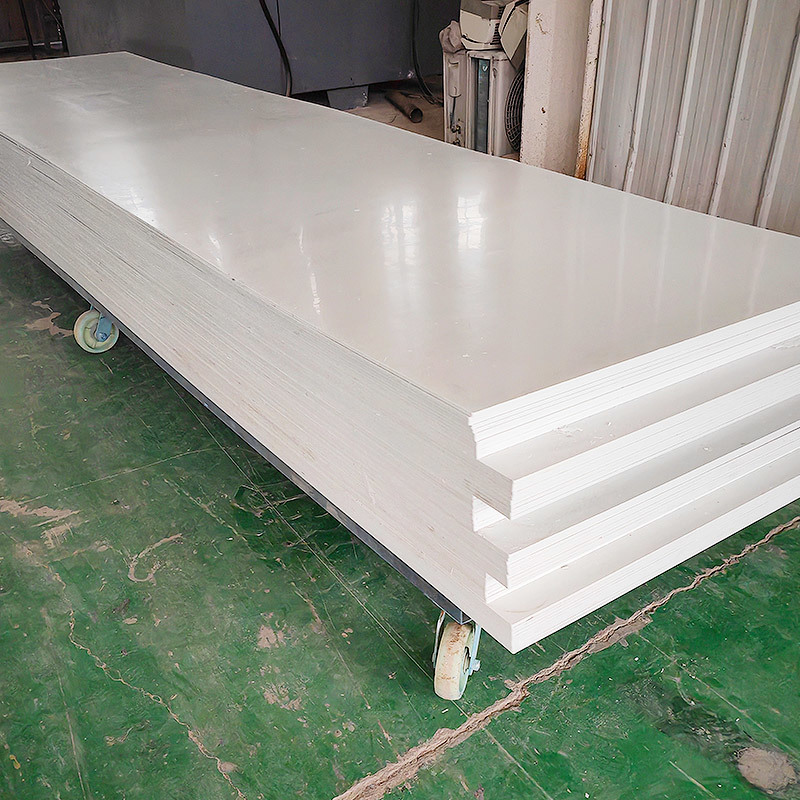
The Growing Popularity of Vacuum-Infused FRP Panels in Construction
Table of Contents
- 1. Introduction to Vacuum-Infused FRP Panels
- 2. What Are Vacuum-Infused FRP Panels?
- 3. Key Benefits of Vacuum-Infused FRP Panels
- 4. Applications of Vacuum-Infused FRP Panels in Construction
- 4.1 Residential Building Applications
- 4.2 Commercial Building Applications
- 4.3 Industrial Applications
- 5. The Installation Process for FRP Panels
- 6. The Future of Vacuum-Infused FRP Panels
- 7. Challenges and Limitations of FRP Panels
- 8. FAQs about Vacuum-Infused FRP Panels
- 9. Conclusion
1. Introduction to Vacuum-Infused FRP Panels
The construction industry has witnessed a surge in innovative materials that enhance efficiency and sustainability. Among these advancements are **vacuum-infused fiberglass reinforced polymer (FRP) panels**. With their unique properties, these panels are becoming a preferred choice for builders and architects seeking high-performance materials that meet modern construction demands. In this article, we will explore the characteristics, advantages, and applications of vacuum-infused FRP panels, shedding light on their growing prominence in the construction landscape.
2. What Are Vacuum-Infused FRP Panels?
Vacuum-infused FRP panels are composite materials made up of a polymer matrix reinforced with fiberglass. The vacuum infusion process involves placing dry fiberglass layers into a mold and then introducing resin into the mold under vacuum pressure. This method ensures a thorough distribution of resin, producing a **strong, lightweight**, and **highly durable panel**. The result is a material that boasts exceptional structural integrity while maintaining a low weight.
3. Key Benefits of Vacuum-Infused FRP Panels
The growing popularity of vacuum-infused FRP panels can be attributed to several key benefits they offer to the construction industry.
3.1 Lightweight yet Strong
One of the most remarkable features of vacuum-infused FRP panels is their **lightweight nature** combined with **high strength**. This characteristic allows for easy handling and transportation, reducing labor costs during installation. Additionally, their strength-to-weight ratio makes them suitable for various applications, from roofing systems to wall panels.
3.2 Durability and Resistance
Vacuum-infused FRP panels are known for their **superior durability**. They are resistant to corrosion, moisture, and UV degradation, making them ideal for both indoor and outdoor applications. Their resistance to harsh environmental conditions ensures a long lifespan, minimizing the need for costly repairs or replacements over time.
3.3 Cost-Effectiveness
While the initial cost of vacuum-infused FRP panels may be higher than traditional materials, their long-term cost-effectiveness is undeniable. The durability and low maintenance required for these panels contribute to significant savings over their lifecycle. Furthermore, their lightweight properties can lead to reduced transportation and handling costs, making them an economically attractive option for construction projects.
4. Applications of Vacuum-Infused FRP Panels in Construction
Vacuum-infused FRP panels are versatile materials used in a wide array of construction applications.
4.1 Residential Building Applications
In residential buildings, vacuum-infused FRP panels are utilized for exterior cladding, roofing systems, and even interior finishes. Their aesthetic appeal, coupled with their structural benefits, allows homeowners to achieve a modern look while ensuring durability and energy efficiency.
4.2 Commercial Building Applications
For commercial buildings, these panels serve multiple purposes, including wall systems, ceilings, and decorative elements. Their lightweight nature reduces the load on structural frameworks, while their thermal insulation properties contribute to energy savings in heating and cooling.
4.3 Industrial Applications
In industrial settings, vacuum-infused FRP panels are employed in environments where durability and resistance to chemicals are essential. They are ideal for constructing storage tanks, industrial flooring, and protective barriers, ensuring safety and longevity in demanding conditions.
5. The Installation Process for FRP Panels
Installing vacuum-infused FRP panels requires specific techniques to ensure optimal performance. The process typically involves the following steps:
1. **Surface Preparation**: Ensure the surfaces where the panels will be installed are clean and smooth.
2. **Cutting and Shaping**: Panels are cut to desired dimensions based on architectural requirements.
3. **Adhesive Application**: A suitable adhesive is applied to the back of the panels for secure attachment.
4. **Placement and Securing**: Panels are placed onto the substrate and secured firmly to prevent movement.
5. **Finishing Touches**: Inspect the installation for any gaps or misalignments and apply any necessary sealants.
Proper installation is crucial for maximizing the benefits of vacuum-infused FRP panels, ensuring they perform well over time.
6. The Future of Vacuum-Infused FRP Panels
As the construction industry continues to evolve, the future of vacuum-infused FRP panels looks promising. Advances in manufacturing processes are expected to further enhance the material's properties, making them even more appealing to builders and architects. Moreover, with growing awareness of sustainability in construction, FRP panels will likely play a significant role in meeting environmental standards and reducing the carbon footprint of buildings.
7. Challenges and Limitations of FRP Panels
Despite their many benefits, vacuum-infused FRP panels come with certain challenges. They can be more expensive upfront compared to traditional materials, which may deter some builders. Additionally, while they offer excellent durability, improper installation could lead to issues like delamination or water ingress. Education and training on installation techniques are essential to mitigate these risks.
8. FAQs about Vacuum-Infused FRP Panels
1. What are the main advantages of vacuum-infused FRP panels?
Vacuum-infused FRP panels offer a combination of lightweight strength, durability, resistance to environmental factors, and cost-effectiveness over time.
2. How do FRP panels compare to traditional materials?
FRP panels generally outperform traditional materials in terms of weight, strength, and resistance to moisture and corrosion, making them a superior choice for various applications.
3. Can vacuum-infused FRP panels be used in extreme weather conditions?
Yes, these panels are designed to withstand extreme weather conditions, making them suitable for both hot and cold climates.
4. What is the installation process for FRP panels?
The installation involves surface preparation, cutting and shaping the panels, applying adhesive, securing the panels in place, and finishing touches to ensure a proper fit.
5. Are vacuum-infused FRP panels environmentally friendly?
While their production involves synthetic materials, their longevity and low maintenance contribute to reducing waste and conserving resources over time, aligning with sustainable construction practices.
9. Conclusion
The growing popularity of vacuum-infused FRP panels in construction is a testament to their innovative properties and multifaceted applications. As builders and architects increasingly prioritize strength, durability, and cost-effectiveness, these panels have emerged as a top choice for modern construction projects. By understanding their benefits and applications, industry professionals can leverage this advanced material to enhance their projects, improving both performance and sustainability in construction.


Perhaps You Also Need:
All
- All
- Product Management
- News
- Introduction
- Enterprise outlets
- FAQ
- Enterprise Video
- Enterprise Atlas
Address
China ● Glass Steel City, Zaoqiang County, Hengshui City, Hebei Province