

How Vacuum-Infused FRP Panels Enhance Building Lifespan
Mar 26,2026
How Vacuum-Infused FRP Panels Enhance Building Lifespan
Table of Contents
1. Introduction to Vacuum-Infused FRP Panels
2. What Are Vacuum-Infused FRP Panels?
3. Advantages of Vacuum-Infused FRP Panels in Construction
4. How FRP Panels Enhance Building Lifespan
5. Applications of Vacuum-Infused FRP Panels
6. The Installation Process of FRP Panels
7. Maintenance and
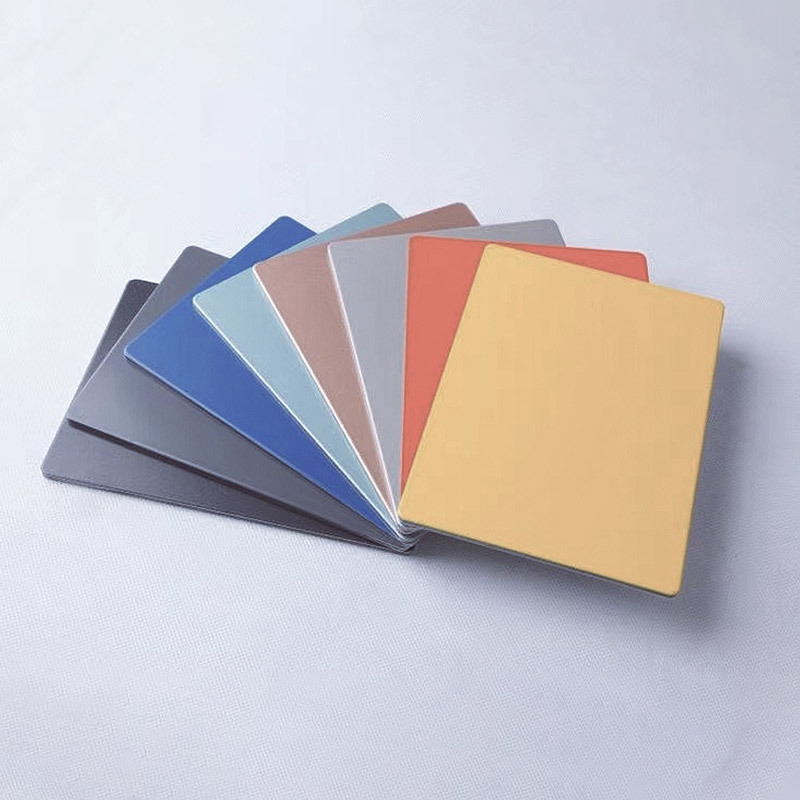
How Vacuum-Infused FRP Panels Enhance Building Lifespan
Table of Contents
- 1. Introduction to Vacuum-Infused FRP Panels
- 2. What Are Vacuum-Infused FRP Panels?
- 3. Advantages of Vacuum-Infused FRP Panels in Construction
- 4. How FRP Panels Enhance Building Lifespan
- 5. Applications of Vacuum-Infused FRP Panels
- 6. The Installation Process of FRP Panels
- 7. Maintenance and Care for FRP Panels
- 8. Sustainability and Environmental Impact of FRP Panels
- 9. Frequently Asked Questions
- 10. Conclusion
1. Introduction to Vacuum-Infused FRP Panels
Vacuum-infused Fiber Reinforced Polymer (FRP) panels represent a significant advancement in building materials, combining durability, lightweight properties, and high resistance to environmental factors. These panels are increasingly used in construction projects to improve the lifespan of buildings while reducing maintenance costs. This article explores the advantages and applications of vacuum-infused FRP panels, how they enhance building lifespans, and the sustainable practices associated with their use.
2. What Are Vacuum-Infused FRP Panels?
Vacuum-infused FRP panels are composite materials made from a polymer matrix reinforced with fiber materials such as glass, carbon, or aramid. The vacuum infusion process involves creating a vacuum to draw the resin into the fiber layers, ensuring a uniform distribution and minimizing voids within the material. This results in a robust and lightweight panel that exhibits excellent mechanical properties and resistance to various stresses.
The Composition of FRP Panels
FRP panels are composed of two primary materials: the polymer matrix and the reinforcing fibers. The polymer, typically a thermosetting resin, provides the structural integrity, while the reinforcing fibers enhance the strength and rigidity. Various combinations of fibers can be used to tailor the properties of the panels to specific applications.
Production Process of FRP Panels
The production of vacuum-infused FRP panels involves multiple steps:
1. **Material Preparation**: Selection of appropriate fibers and resin systems based on performance requirements.
2. **Layup Process**: Fibers are laid out in specific orientations to achieve desired mechanical properties.
3. **Vacuum Infusion**: The resin is drawn into the fiber layup under vacuum, ensuring complete wet-out and adhesion.
4. **Curing**: The infused panels are cured to achieve optimal mechanical properties.
3. Advantages of Vacuum-Infused FRP Panels in Construction
Vacuum-infused FRP panels offer numerous advantages that make them a preferred choice in modern construction.
Lightweight and Strong
One of the most notable benefits of FRP panels is their lightweight nature. This characteristic allows for easier handling and installation, reducing labor costs and time. Despite their low weight, they exhibit high strength-to-weight ratios, making them suitable for various structural applications.
Corrosion Resistance
Vacuum-infused FRP panels are inherently resistant to corrosion, making them ideal for environments exposed to harsh chemicals or moisture. This resistance helps to prolong the lifespan of the panels and the buildings in which they are installed.
Thermal Insulation Properties
These panels provide excellent thermal insulation, helping to regulate indoor temperatures and improve energy efficiency. By minimizing heat transfer, FRP panels contribute to reduced energy consumption in heating and cooling systems.
Low Maintenance Requirements
Due to their high durability and resistance to environmental factors, FRP panels require minimal maintenance over their lifespan. This feature translates into significant cost savings for building owners.
Design Flexibility
FRP panels can be molded into various shapes and sizes, allowing architects and designers to explore creative options without compromising structural integrity. This flexibility enables unique designs that enhance aesthetic appeal.
4. How FRP Panels Enhance Building Lifespan
The introduction of vacuum-infused FRP panels in construction significantly contributes to extending the service life of buildings.
Durability Against Environmental Stressors
Buildings face numerous environmental stressors, including moisture, UV radiation, and extreme temperatures. FRP panels exhibit high resistance to these factors, reducing the risk of material degradation and structural failure over time.
Impact Resistance
Vacuum-infused FRP panels are designed to absorb and withstand impacts, protecting the underlying structure from damage. This characteristic is particularly beneficial in high-traffic areas or locations prone to extreme weather conditions.
Reduced Risk of Mold and Mildew
The non-porous nature of FRP panels prevents moisture absorption, significantly reducing the risk of mold and mildew growth. This contributes to healthier indoor environments and minimizes costly remediation efforts.
Extended Lifecycle of Building Materials
By incorporating FRP panels, builders can extend the lifespan of other materials used in construction, such as wood or steel. This synergy leads to a more sustainable and longer-lasting building structure.
5. Applications of Vacuum-Infused FRP Panels
The versatility of vacuum-infused FRP panels allows for a wide range of applications in various sectors, including residential, commercial, and industrial construction.
Residential Buildings
In residential construction, FRP panels are used for exterior siding, roofing, and interior partitions. Their lightweight and insulating properties contribute to energy-efficient homes.
Commercial Spaces
Commercial buildings benefit from the durability and aesthetic flexibility of FRP panels, which can be used for facades, interior finishes, and architectural features that require a modern look.
Industrial Applications
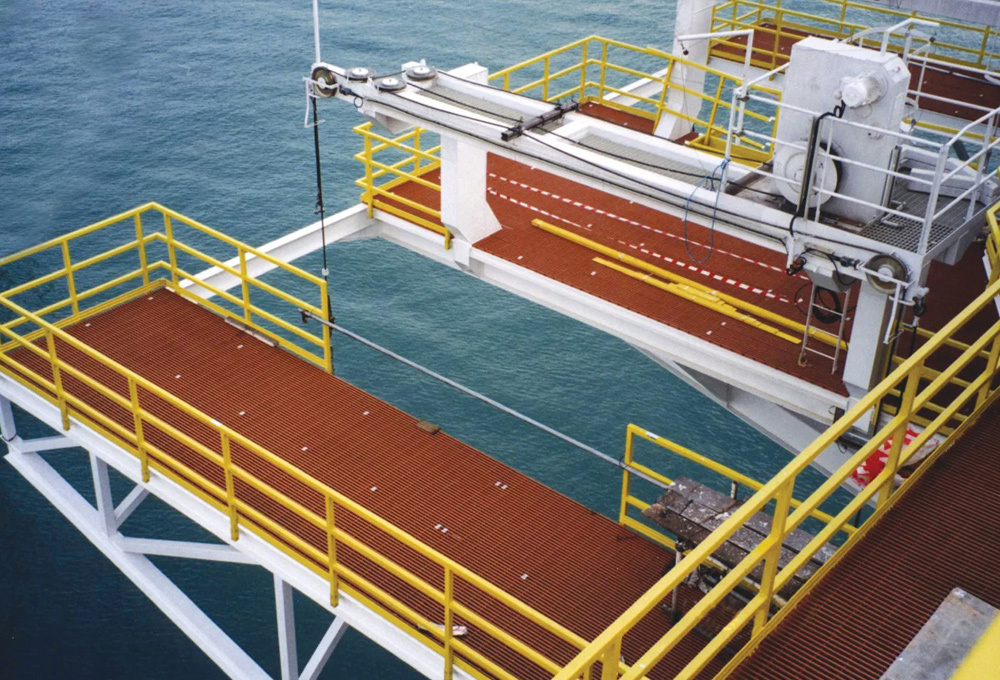
In industrial settings, FRP panels are utilized for chemical containment, flooring systems, and corrosion-resistant enclosures, ensuring safety and longevity in harsh environments.
6. The Installation Process of FRP Panels
Installing vacuum-infused FRP panels requires careful planning and execution to ensure optimal performance and durability.
Preparation and Site Assessment
Before installation, a thorough assessment of the installation site is conducted. This includes evaluating structural integrity, environmental conditions, and specific project requirements.
Cutting and Fitting Panels
FRP panels are cut and fitted according to design specifications. Precision is crucial to maintain the integrity of the seams and joints, which are vital for preventing moisture infiltration.
Securing Panels
The panels are then secured to the building structure using appropriate fasteners or adhesive systems. Ensuring a strong bond is essential for maximizing the lifespan of the installation.
Final Inspection
A final inspection is performed to check for any defects or installation issues. Proper sealing of joints and finishes is crucial for enhancing the durability and aesthetics of the installation.
7. Maintenance and Care for FRP Panels
While vacuum-infused FRP panels are designed for low maintenance, ensuring their longevity requires some care.
Regular Inspections
Conducting regular inspections helps identify any potential issues early on. Look for signs of wear, damage, or discoloration to address problems before they escalate.
Cleaning and Care
Cleaning FRP panels is straightforward. A gentle soap solution and soft cloth can effectively remove dirt without damaging the surface. Avoid harsh chemicals that could degrade the resin.
Addressing Damage
In case of any damage, prompt repairs are essential to maintain the panel's integrity. Minor scratches can often be polished out, while larger damages may require replacement or professional repair.
8. Sustainability and Environmental Impact of FRP Panels
Vacuum-infused FRP panels contribute to sustainable building practices in several ways.
Energy Efficiency
By providing excellent thermal insulation, FRP panels help reduce energy consumption in buildings, contributing to lower carbon footprints.
Recyclability
Many FRP materials can be recycled at the end of their life cycle, reducing waste and promoting a circular economy in construction.
Resource Efficiency
The production process of FRP panels requires fewer resources compared to traditional materials, making them a more sustainable choice for modern construction.
9. Frequently Asked Questions
What is the lifespan of vacuum-infused FRP panels?
Vacuum-infused FRP panels can last for several decades with proper maintenance, often exceeding 30 years depending on environmental conditions and usage.
Are FRP panels environmentally friendly?
Yes, FRP panels are considered environmentally friendly due to their energy-efficient properties, recyclability, and reduced resource consumption during production.
Can FRP panels be customized for specific applications?
Absolutely! FRP panels can be customized in terms of size, shape, and design to meet specific project requirements.
How do I maintain FRP panels?
Regular inspections, gentle cleaning with soap and water, and prompt repairs are essential to maintaining the integrity and appearance of FRP panels.
What industries commonly use FRP panels?
FRP panels are widely used in residential, commercial, and industrial construction, particularly in applications that demand durability and resistance to environmental stressors.
10. Conclusion
Vacuum-infused FRP panels represent a transformative advancement in the construction industry, enhancing the lifespan and durability of buildings. Their lightweight nature, exceptional resistance to environmental factors, and low maintenance requirements make them an ideal choice for various applications. As the demand for sustainable building practices continues to rise, the adoption of FRP panels is likely to increase, paving the way for longer-lasting, energy-efficient structures. By choosing vacuum-infused FRP panels, builders and architects can contribute to a more sustainable future while ensuring their projects stand the test of time.
Previous:
Perhaps You Also Need:
All
- All
- Product Management
- News
- Introduction
- Enterprise outlets
- FAQ
- Enterprise Video
- Enterprise Atlas
Address
China ● Glass Steel City, Zaoqiang County, Hengshui City, Hebei Province