

How Fiberglass Desulfurization Towers Revolutionize Chemical Processing
Apr 05,2026
How Fiberglass Desulfurization Towers Revolutionize Chemical Processing
Table of Contents
Introduction to Fiberglass Desulfurization Towers
The Importance of Desulfurization in Chemical Processing
What Are Fiberglass Desulfurization Towers?
Key Benefits of Fiberglass Desulfurization Towers
Applications of Fiberglass Desulfurization Towers in Industry
Comparing Fiberglass to Traditiona
How Fiberglass Desulfurization Towers Revolutionize Chemical Processing
Table of Contents
- Introduction to Fiberglass Desulfurization Towers
- The Importance of Desulfurization in Chemical Processing
- What Are Fiberglass Desulfurization Towers?
- Key Benefits of Fiberglass Desulfurization Towers
- Applications of Fiberglass Desulfurization Towers in Industry
- Comparing Fiberglass to Traditional Materials
- Design Considerations for Effective Desulfurization
- The Future of Fiberglass Desulfurization Towers
- Conclusion
- Frequently Asked Questions
Introduction to Fiberglass Desulfurization Towers
The chemical processing industry is at the forefront of technological advancements, continually seeking ways to enhance efficiency and sustainability. **Fiberglass desulfurization towers** are emerging as a game-changing solution, revolutionizing how industries manage sulfur emissions. These towers play a crucial role in reducing sulfur dioxide (SO2) emissions from various chemical processes, making them an essential component in promoting cleaner production methods.
The Importance of Desulfurization in Chemical Processing
Desulfurization is a critical aspect of chemical processing, particularly in industries such as oil refining, power generation, and manufacturing. Sulfur compounds can lead to environmental pollution and health hazards, making their removal essential. **Desulfurization technologies** help mitigate these risks, ensuring compliance with stringent environmental regulations while promoting sustainability.
Regulatory Standards and Environmental Concerns
Governments worldwide have implemented strict regulations to control sulfur emissions. Non-compliance can result in substantial fines and damage to a company’s reputation. By investing in **fiberglass desulfurization towers**, companies not only meet these regulatory standards but also contribute to a greener planet.
What Are Fiberglass Desulfurization Towers?
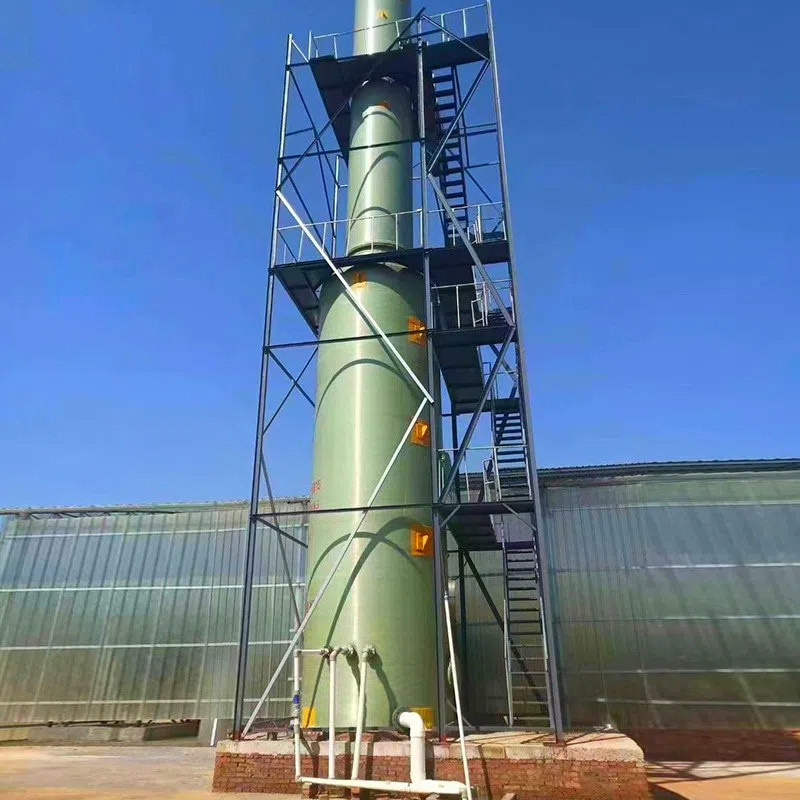
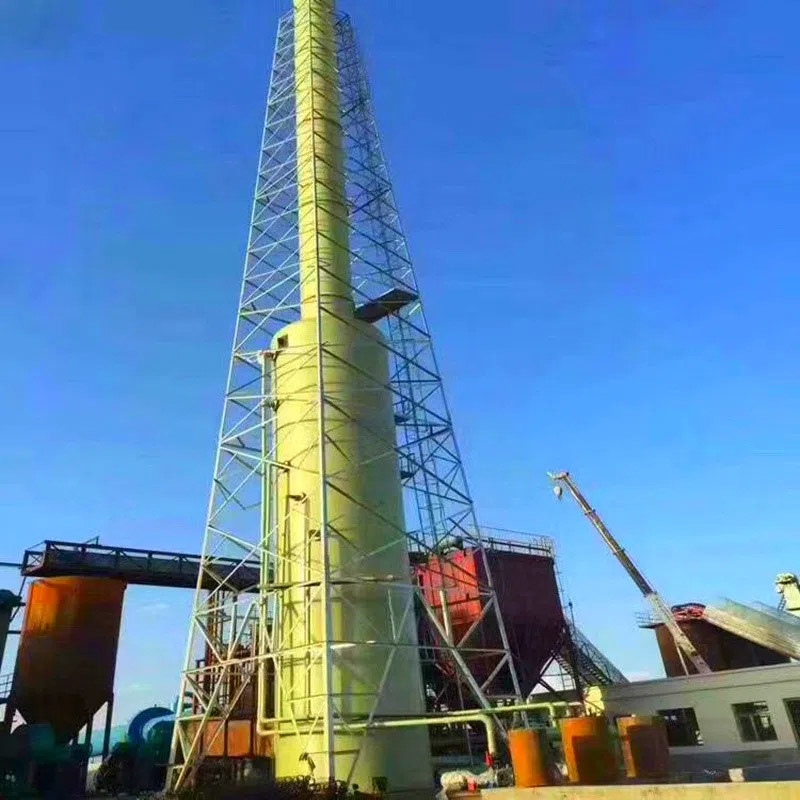
Fiberglass desulfurization towers are specialized equipment designed to remove sulfur dioxide from industrial emissions. Constructed primarily from **fiber-reinforced plastic (FRP)**, these towers offer a range of benefits over traditional materials, making them a preferred choice in many chemical processing applications.
Components and Functionality
These towers consist of several key components, including:
- **Inlet and Outlet Ducts**: Facilitate the flow of gases into and out of the tower.
- **Scrubbing Media**: Utilized to absorb and react with sulfur dioxide.
- **Mist Eliminators**: Prevent liquid droplets from escaping into the atmosphere.
The functionality of fiberglass desulfurization towers lies in their ability to **efficiently scrub** sulfur dioxide from gases, ensuring minimal emissions.
Key Benefits of Fiberglass Desulfurization Towers
The advantages of fiberglass desulfurization towers are numerous, making them highly sought after in the chemical processing sector.
Corrosion Resistance
One of the most significant benefits of fiberglass is its exceptional **corrosion resistance**. Chemical processing environments often involve harsh acids and other corrosive materials. Unlike traditional steel towers, fiberglass structures do not rust or degrade, extending their lifespan and reducing maintenance costs.
Lightweight and Durable Design
Fiberglass is notably lighter than metal alternatives, enabling easier installation and transportation. Despite its lightweight nature, fiberglass boasts impressive durability, making it suitable for various operational conditions.
Cost-Effectiveness
While the initial investment in fiberglass desulfurization towers may be higher than traditional options, their long-term benefits, including reduced maintenance and operational costs, lead to significant savings over time.
Improved Efficiency
Fiberglass desulfurization towers are engineered to operate efficiently, achieving higher removal rates of sulfur dioxide compared to conventional methods. This efficiency not only enhances compliance with regulations but also leads to improved overall productivity.
Applications of Fiberglass Desulfurization Towers in Industry
Fiberglass desulfurization towers find applications across various sectors, including:
Oil and Gas Industry
In oil refineries, these towers are critical for removing sulfur compounds from flue gases, ensuring that emissions meet regulatory standards while maximizing the yield of valuable products.
Power Generation
Power plants utilize fiberglass desulfurization towers to mitigate sulfur emissions from burning fossil fuels, aligning with environmental mandates and enhancing operational efficiency.
Chemical Manufacturing
Chemical manufacturers employ these towers to scrub sulfur dioxide produced during various chemical reactions, ensuring cleaner processes and reducing the environmental footprint.
Waste Incineration
Fiberglass desulfurization towers play a significant role in waste-to-energy facilities, helping to neutralize emissions from burning waste materials, thereby promoting sustainable waste management practices.
Comparing Fiberglass to Traditional Materials
When evaluating the performance of fiberglass desulfurization towers against traditional materials, several factors come into play.
Durability and Maintenance
Traditional materials, such as steel, are vulnerable to corrosion when exposed to acidic environments. Fiberglass, on the other hand, offers superior resistance to chemical attack, resulting in lower maintenance requirements and longer service life.
Installation and Weight Considerations
The lightweight nature of fiberglass simplifies installation processes, reducing labor costs and time required for setup. In contrast, heavy steel structures may necessitate additional equipment for installation.
Design Considerations for Effective Desulfurization
Designing an effective fiberglass desulfurization tower involves several key considerations:
Flow Dynamics
Understanding the flow dynamics within the tower is essential for optimizing the contact time between the gas and scrubbing media, which directly impacts sulfur removal efficiency.
Material Selection
Choosing the right grade of fiberglass is crucial for ensuring compatibility with the specific chemical environment in which the tower will operate. Factors such as temperature and chemical concentration must be considered.
Size and Capacity
The tower's size and capacity must be appropriately matched to the volume of emissions being processed. Oversized or undersized towers can lead to inefficiencies and increased operational costs.
The Future of Fiberglass Desulfurization Towers
As the demand for cleaner production methods continues to grow, fiberglass desulfurization towers are expected to gain further traction across various industries. The ongoing advancements in materials science and engineering will likely lead to even more efficient designs and enhanced performance capabilities.
Conclusion
Fiberglass desulfurization towers are revolutionizing the chemical processing industry by offering a reliable, efficient, and environmentally friendly solution for sulfur emissions control. Their numerous advantages, including corrosion resistance, lightweight design, and cost-effectiveness, position them as a vital component in the pursuit of cleaner industrial processes. As we move toward a more sustainable future, these innovative towers will undoubtedly play a significant role in shaping the landscape of chemical processing.
Frequently Asked Questions
1. What is the primary function of fiberglass desulfurization towers?
Fiberglass desulfurization towers are designed to remove sulfur dioxide from industrial emissions, thereby reducing environmental pollution and ensuring compliance with regulatory standards.
2. How do fiberglass towers compare to traditional metal towers?
Fiberglass towers offer superior corrosion resistance, reduced weight, and lower maintenance costs compared to traditional metal towers, making them a more durable and cost-effective option.
3. In which industries are fiberglass desulfurization towers used?
These towers are commonly used in the oil and gas, power generation, chemical manufacturing, and waste management industries.
4. What are the key design considerations for fiberglass desulfurization towers?
Important design considerations include flow dynamics, material selection, and appropriate sizing for the volume of emissions being processed.
5. Are fiberglass desulfurization towers environmentally friendly?
Yes, by efficiently reducing sulfur emissions, fiberglass desulfurization towers contribute to cleaner air and promote more sustainable industrial practices.
Perhaps You Also Need:
All
- All
- Product Management
- News
- Introduction
- Enterprise outlets
- FAQ
- Enterprise Video
- Enterprise Atlas
Address
China ● Glass Steel City, Zaoqiang County, Hengshui City, Hebei Province