

FRP Composite Handrails vs. Traditional Materials: A Comprehensive Comparative Study
May 05,2026
FRP Composite Handrails vs. Traditional Materials: A Comprehensive Comparative Study
Table of Contents
1. Introduction to Handrail Materials
2. What is FRP (Fiber-Reinforced Polymer)?
3. Advantages of FRP Composite Handrails
4. Overview of Traditional Handrail Materials
5. Benefits of Traditional Handrail Materials
6. Comparative Analysis: FRP vs. Traditional Materials
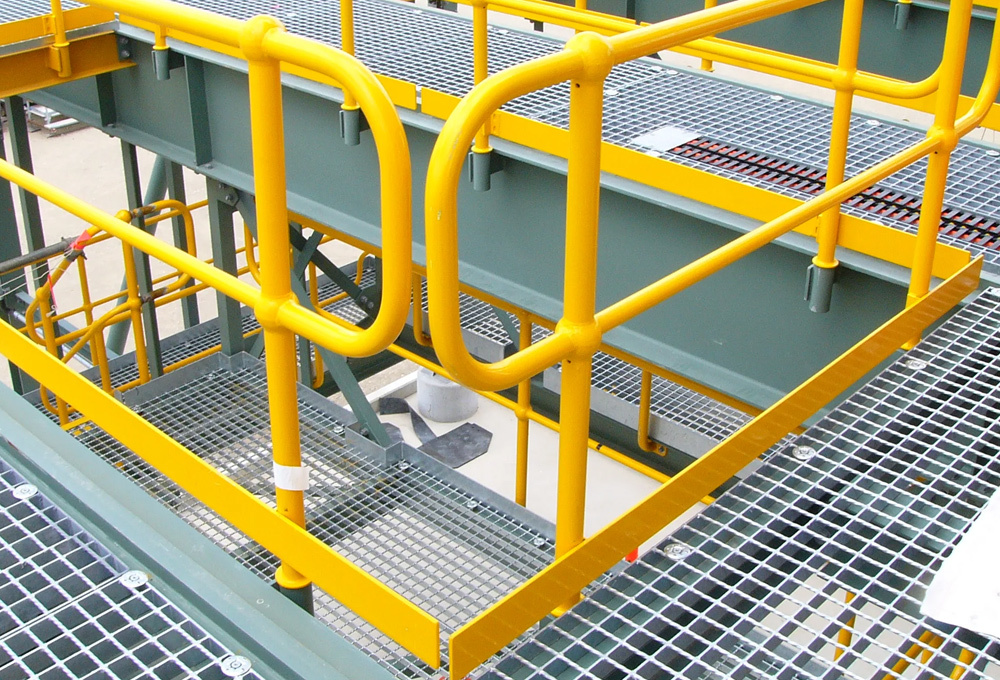
FRP Composite Handrails vs. Traditional Materials: A Comprehensive Comparative Study
Table of Contents
- 1. Introduction to Handrail Materials
- 2. What is FRP (Fiber-Reinforced Polymer)?
- 3. Advantages of FRP Composite Handrails
- 4. Overview of Traditional Handrail Materials
- 5. Benefits of Traditional Handrail Materials
- 6. Comparative Analysis: FRP vs. Traditional Materials
- 7. Applications of FRP and Traditional Handrails
- 8. Cost-Effectiveness of FRP vs. Traditional Options
- 9. Maintenance Considerations for Handrails
- 10. Environmental Impact of Handrail Materials
- 11. Conclusion: The Best Choice for Your Project
- 12. Frequently Asked Questions
1. Introduction to Handrail Materials
In the construction and architectural industries, handrails play a vital role in ensuring safety and aesthetics. As we develop modern structures, the choice of materials becomes increasingly significant. This study examines FRP (Fiber-Reinforced Polymer) composite handrails in comparison to traditional materials like wood, steel, and aluminum. Understanding their properties, benefits, and applications is essential for making informed decisions.
2. What is FRP (Fiber-Reinforced Polymer)?
FRP is a composite material made of a polymer matrix reinforced with fibers, typically glass or carbon. This combination results in a lightweight yet extremely strong material, making it ideal for various applications, including handrails. FRP exhibits remarkable resistance to corrosion, UV degradation, and impacts, making it a preferred choice in demanding environments.
3. Advantages of FRP Composite Handrails
FRP composite handrails offer numerous advantages:
3.1 Durability and Longevity
FRP’s resistance to environmental factors ensures longevity, reducing the frequency of replacements.
3.2 Low Maintenance
Unlike wood, which may require regular painting or sealing, FRP requires minimal maintenance, saving time and resources.
3.3 Lightweight Design
The lightweight nature of FRP facilitates easier installation and reduces the overall weight of structures.
3.4 Aesthetic Versatility
FRP can be molded into various shapes and colors, providing design flexibility to match architectural styles.
3.5 Safety Features
FRP is slip-resistant and does not splinter, enhancing user safety, particularly in public spaces.
4. Overview of Traditional Handrail Materials
Traditional handrail materials include wood, steel, and aluminum. Each has its own set of characteristics that have made them staples in construction:
4.1 Wood
Wooden handrails offer warmth and beauty but are susceptible to rot and require regular maintenance.
4.2 Steel
Steel handrails are robust and secure but can rust if not properly treated or maintained.
4.3 Aluminum
Aluminum is lightweight and resistant to corrosion but may not provide the same level of strength as steel.
5. Benefits of Traditional Handrail Materials
Despite the advantages of FRP, traditional materials have their own merits:
5.1 Aesthetic Appeal
Natural wood provides an unmatched aesthetic charm, ideal for architectural styles that emphasize warmth.
5.2 Structural Integrity
Steel offers the highest strength-to-weight ratio, making it suitable for heavy-duty applications.
5.3 Availability and Cost
Traditional materials are often readily available and can be more affordable in specific regions.
6. Comparative Analysis: FRP vs. Traditional Materials
When comparing FRP composite handrails and traditional materials, several factors come into play:
6.1 Strength and Weight
FRP’s strength-to-weight ratio is comparable to that of steel, making it an excellent alternative in situations where weight is a concern.
6.2 Installation and Labor Costs
The lightweight nature of FRP can lower labor costs during installation, as less heavy equipment is required.
6.3 Lifespan and Durability
In terms of longevity, FRP surpasses wood and rivals steel, especially in harsh environments.
7. Applications of FRP and Traditional Handrails
Both FRP and traditional handrails find applications in various settings:
7.1 Residential Buildings
In homes, the choice often leans towards aesthetics, with wood and aluminum being popular choices, although FRP is gaining traction due to its low maintenance.
7.2 Commercial Spaces
For commercial buildings, durability is key. FRP and steel are frequently utilized due to their strength and longevity.
7.4 Industrial Environments
In industrial settings, the corrosion resistance of FRP makes it a preferred choice, especially in chemical plants or coastal areas.
8. Cost-Effectiveness of FRP vs. Traditional Options
When evaluating cost-effectiveness, it’s essential to consider both initial costs and long-term savings. While traditional materials may have lower upfront costs, the ongoing maintenance and replacement costs can accumulate significantly.
9. Maintenance Considerations for Handrails
The maintenance requirements for handrails vary greatly between FRP and traditional materials:
9.1 FRP Maintenance
FRP handrails require minimal maintenance, typically just occasional cleaning to remove dirt and grime.
9.2 Maintenance of Traditional Materials
Wood requires regular sealing or painting, while steel needs anti-corrosive treatments to prevent rust.
10. Environmental Impact of Handrail Materials
Environmental considerations are increasingly influencing material choices:
10.1 Sustainability of FRP
FRP is often derived from recycled materials and can be manufactured with a lower carbon footprint.
10.2 Traditional Material Sustainability
Wood is renewable, but unsustainable logging practices can have significant environmental repercussions. Metal recycling can help mitigate the impact of steel and aluminum.
11. Conclusion: The Best Choice for Your Project
Selecting between FRP composite handrails and traditional materials ultimately depends on the specific needs of your project. For projects requiring durable, low-maintenance, and aesthetically versatile options, FRP is an excellent choice. However, if aesthetic appeal and traditional craftsmanship are prioritized, wood or metal might be more suitable. Ultimately, analyzing the unique demands of your project will guide you to the best decision.
12. Frequently Asked Questions
Q1: Are FRP composite handrails more expensive than traditional materials?
A1: The initial cost of FRP may be higher than some traditional materials, but its longevity and minimal maintenance can result in lower overall costs.
Q2: How does the lifespan of FRP compare to that of traditional materials?
A2: FRP typically lasts longer than wood and is comparable to steel, especially in harsh environmental conditions.
Q3: Can FRP handrails be customized?
A3: Yes, FRP can be molded into a variety of shapes and colors, allowing for extensive customization.
Q4: Are FRP handrails safe in wet conditions?
A4: Yes, FRP handrails are slip-resistant and do not splinter, making them safe for use in wet conditions.
Q5: How do I clean and maintain FRP handrails?
A5: Cleaning FRP handrails is simple; a mild detergent and water are usually sufficient to keep them looking new.
This comprehensive study provides a clear comparison of FRP composite handrails and traditional materials, enabling informed choices for various construction and design projects.
Previous:
Perhaps You Also Need:
All
- All
- Product Management
- News
- Introduction
- Enterprise outlets
- FAQ
- Enterprise Video
- Enterprise Atlas
Mobile Phone
Address
China ● Glass Steel City, Zaoqiang County, Hengshui City, Hebei Province