

Understanding the Benefits of Fiberglass in Desulfurization Towers: A Comprehensive Guide
May 25,2026
Understanding the Benefits of Fiberglass in Desulfurization Towers
Table of Contents
1. Introduction to Fiberglass and Desulfurization Towers
2. What is Fiberglass?
3. The Importance of Desulfurization in Industrial Processes
4. Key Benefits of Fiberglass in Desulfurization Towers
4.1 Durability and Longevity
4.2 Corrosion Resistance
4.3 Lightwei
Understanding the Benefits of Fiberglass in Desulfurization Towers
Table of Contents
- 1. Introduction to Fiberglass and Desulfurization Towers
- 2. What is Fiberglass?
- 3. The Importance of Desulfurization in Industrial Processes
- 4. Key Benefits of Fiberglass in Desulfurization Towers
- 4.1 Durability and Longevity
- 4.2 Corrosion Resistance
- 4.3 Lightweight Properties
- 4.4 Cost-Effectiveness
- 4.5 Thermal Insulation
- 5. Applications of Fiberglass in Desulfurization Towers
- 6. Environmental Impact of Fiberglass in Desulfurization
- 7. Future Trends in Fiberglass Use for Desulfurization
- 8. Frequently Asked Questions (FAQs)
- 9. Conclusion
1. Introduction to Fiberglass and Desulfurization Towers
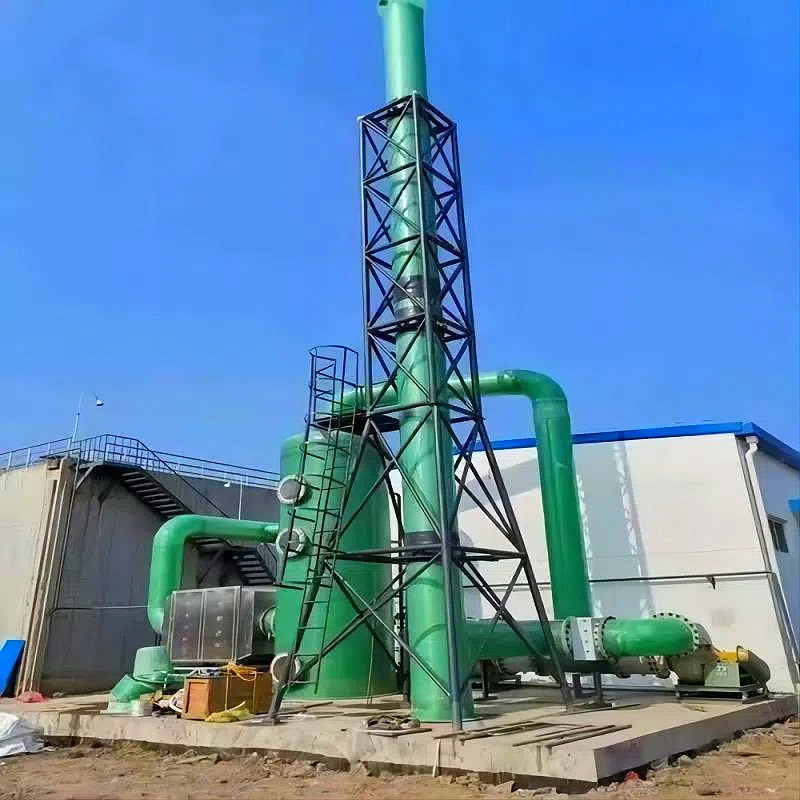
In industries where sulfur emissions are a concern, **desulfurization towers** play a critical role. These structures are designed to remove sulfur compounds from flue gases, helping to meet environmental regulations and improve air quality. The material used in constructing these towers can significantly influence their effectiveness, lifespan, and cost-efficiency. **Fiberglass**, a composite material made from glass fibers and resin, has emerged as a popular choice for these applications. In this article, we will explore the benefits of fiberglass in desulfurization towers, examining its unique properties and how they contribute to enhanced industrial performance.
2. What is Fiberglass?
**Fiberglass** is a versatile composite material made by weaving together fine strands of glass. It is known for its **strength-to-weight ratio**, making it an ideal choice for various industrial applications. Fiberglass is available in multiple forms, including sheets, rods, and molded components, enabling its use in a wide range of settings. The combination of glass fibers and resin results in a material that is not only strong but also resistant to many environmental factors, including moisture, chemicals, and temperature fluctuations.
3. The Importance of Desulfurization in Industrial Processes
Desulfurization is crucial for industries that burn fossil fuels, as it helps remove sulfur oxides (SOx) from exhaust emissions. These compounds contribute to acid rain and can have detrimental effects on human health and the environment. By implementing **desulfurization technologies**, companies can comply with environmental regulations, improve their public image, and potentially lower costs associated with emissions penalties. The choice of materials for desulfurization towers not only affects their efficiency but also their longevity and maintenance costs.
4. Key Benefits of Fiberglass in Desulfurization Towers
The integration of fiberglass into desulfurization systems offers numerous advantages, which we will discuss in detail below.
4.1 Durability and Longevity
Fiberglass is known for its exceptional durability. It can withstand harsh environmental conditions without succumbing to wear and tear. This durability translates into a longer lifespan for desulfurization towers, which means reduced replacement costs and less downtime for maintenance. Industries can rely on fiberglass components to perform consistently over time, ensuring that sulfur removal processes remain effective.
4.2 Corrosion Resistance
One of the most significant challenges in desulfurization is the corrosive nature of sulfur compounds. Traditional materials like steel can degrade when exposed to these substances, leading to costly repairs and inefficiencies. **Fiberglass**, on the other hand, exhibits excellent resistance to corrosion. This characteristic allows fiberglass desulfurization towers to maintain their structural integrity and function optimally over extended periods, even in hostile chemical environments.
4.3 Lightweight Properties
The lightweight nature of fiberglass makes it easier to handle and install compared to heavier materials like metal. This property can significantly reduce transportation and installation costs. Additionally, less structural support is needed for fiberglass towers, allowing for more versatile designs and potentially reducing the overall footprint of the installation.
4.4 Cost-Effectiveness
While the initial investment in fiberglass may be higher than that of traditional materials, the long-term savings are considerable. Reduced maintenance, lower energy costs due to efficient operation, and a longer lifespan all contribute to the **cost-effectiveness of fiberglass desulfurization towers**. Businesses investing in fiberglass technology can expect a favorable return on investment (ROI) over time.
4.5 Thermal Insulation
Fiberglass also provides excellent thermal insulation properties. This is especially important in desulfurization processes where temperature control can impact efficiency and effectiveness. By minimizing heat loss, fiberglass components help maintain optimal operating conditions, further enhancing the overall performance of the desulfurization system.
5. Applications of Fiberglass in Desulfurization Towers
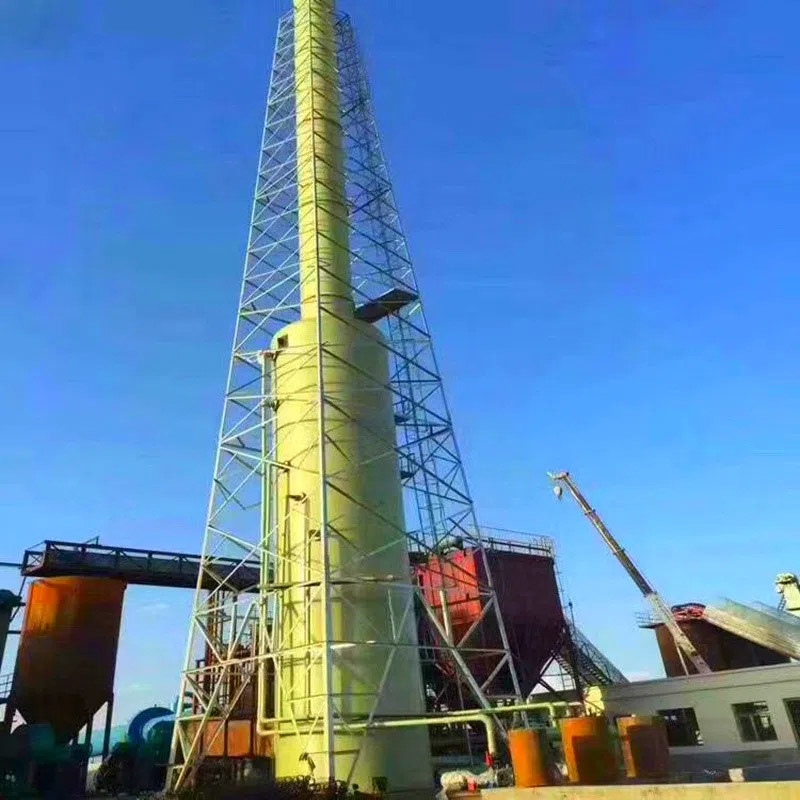
Fiberglass is utilized in various parts of desulfurization systems, including scrubbers, ductwork, and containment structures. Its properties make it suitable for both new installations and retrofitting existing systems. Businesses are increasingly recognizing the potential of fiberglass in improving their desulfurization capabilities, as it can be molded into complex shapes that enhance the efficiency of gas flow and contact with scrubbing solutions.
6. Environmental Impact of Fiberglass in Desulfurization
The use of fiberglass in desulfurization towers not only benefits industries economically but also environmentally. By improving the efficiency of sulfur removal systems, fiberglass helps reduce harmful emissions. Furthermore, the durability and longevity of fiberglass structures contribute to reduced waste, as fewer materials need to be discarded over time. This shift towards sustainable materials aligns with global efforts to mitigate climate change and promote greener technologies.
7. Future Trends in Fiberglass Use for Desulfurization
As industries continue to seek more sustainable and efficient solutions, the demand for fiberglass in desulfurization towers is expected to grow. Innovations in fiberglass technology, including advancements in resin formulations and manufacturing processes, will likely enhance its properties further. Additionally, as regulations regarding emissions tighten, industries will increasingly turn to fiberglass solutions as part of their environmental strategy.
8. Frequently Asked Questions (FAQs)
What are the main advantages of using fiberglass in desulfurization towers?
The primary advantages include durability, corrosion resistance, lightweight properties, cost-effectiveness, and thermal insulation.
How does fiberglass compare to other materials used in desulfurization?
Fiberglass typically outperforms metals and other materials in terms of corrosion resistance and longevity, making it a superior choice for aggressive chemical environments.
Can fiberglass desulfurization towers be retrofitted into existing systems?
Yes, fiberglass components can be designed to fit existing systems, enhancing their efficiency and performance.
What is the environmental impact of fiberglass?
Fiberglass reduces waste and pollution due to its durability, contributing positively to environmental conservation efforts.
Are there any downsides to using fiberglass?
While fiberglass has many benefits, it can be more expensive upfront than traditional materials. However, the long-term savings often outweigh these initial costs.
9. Conclusion
The advantages of incorporating fiberglass into desulfurization towers are clear. From its remarkable durability and corrosion resistance to its lightweight and cost-effective nature, fiberglass stands out as a material of choice for modern industrial applications. As industries continue to evolve in response to environmental challenges, the role of fiberglass in enhancing desulfurization processes will likely expand. Embracing this innovative material not only supports compliance with environmental regulations but also contributes to a more sustainable future for industries reliant on fossil fuels.
Perhaps You Also Need:
All
- All
- Product Management
- News
- Introduction
- Enterprise outlets
- FAQ
- Enterprise Video
- Enterprise Atlas
Address
China ● Glass Steel City, Zaoqiang County, Hengshui City, Hebei Province