

Understanding the Benefits of Advanced Fiberglass Desulfurization Towers in Chemical and Rubber Processing
May 25,2025
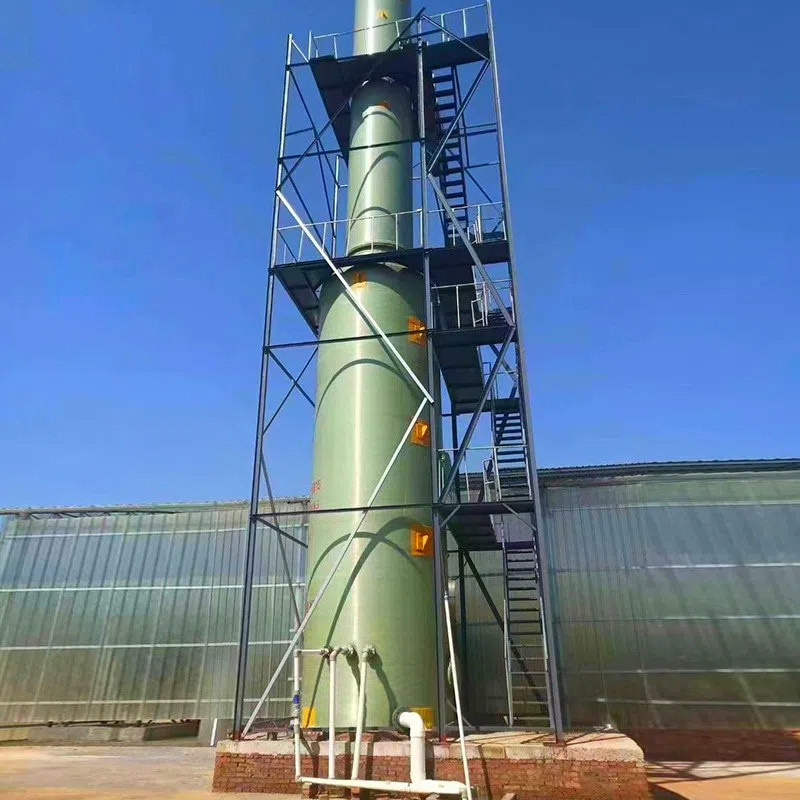
Understanding the Benefits of Advanced Fiberglass Desulfurization Towers
Introduction to Desulfurization and Its Importance
In chemical manufacturing and rubber processing, **desulfurization** is a critical process that involves the removal of sulfur compounds from gas streams. These compounds can include **sulfur dioxide (SO2)**, which, when released into the atmosphere, contributes to environmental issues like acid rain and air pollution. Advanced **fiberglass desulfurization towers** have emerged as a robust solution to mitigate these issues effectively.
This article will explore the numerous benefits of using advanced fiberglass desulfurization towers in the chemical and rubber industries, highlighting their construction, operational efficiency, and environmental impact.
What Are Advanced Fiberglass Desulfurization Towers?
Advanced fiberglass desulfurization towers are specialized structures designed to remove sulfur compounds from industrial effluents. These towers utilize a combination of **chemical reactions**, **absorption techniques**, and **innovative materials** to achieve high efficiency in sulfur removal. The choice of fiberglass as a primary material provides several advantages, including durability, resistance to corrosion, and ease of maintenance.
Key Components of Desulfurization Towers
To better understand how these towers work, we can break down their main components:
1. Inlet and Outlet Systems
The inlet system introduces the gas stream containing sulfur compounds into the tower, while the outlet system ensures that cleaned gases are released into the atmosphere or redirected for further processing.
2. Absorption Media
The absorption media, often in the form of specialized chemicals or slurries, plays a pivotal role in capturing sulfur compounds effectively. This media may include alkaline solutions that neutralize acidic gases.
3. Packing Material
The packing material inside the tower enhances the contact surface area between the gas and the absorption media, increasing the efficiency of the desulfurization process.
4. Control System
An advanced control system monitors and adjusts the operational parameters such as temperature, pressure, and flow rate to optimize performance.
Benefits of Using Advanced Fiberglass Desulfurization Towers
1. Enhanced Efficiency in Sulfur Removal
Advanced fiberglass desulfurization towers are engineered to achieve high removal efficiencies, often exceeding **90%**. This is crucial in meeting increasingly stringent environmental regulations. By optimizing the design and materials used, these towers can effectively capture sulfur compounds, contributing to cleaner emissions.
2. Corrosion Resistance and Longevity
Fiberglass is renowned for its **corrosion-resistant properties**, making it an ideal choice for desulfurization applications where aggressive chemicals are present. This resistance prolongs the lifespan of the tower, reducing the frequency and cost of maintenance and replacement.
3. Cost-Effectiveness
While the initial investment in advanced fiberglass desulfurization towers may be higher than traditional systems, the long-term savings in maintenance, energy consumption, and operational efficiency make them a more cost-effective solution. Their durability also minimizes downtime due to repairs.
4. Environmental Compliance
With the growing emphasis on **sustainability** and **environmental responsibility**, industries must adhere to strict regulations regarding emissions. Advanced fiberglass desulfurization towers enable operators to comply with these regulations, helping to maintain a positive corporate image while contributing to environmental protection.
5. Flexibility and Scalability
These towers can be designed to accommodate various industrial processes and can easily be scaled to meet increasing production demands. This flexibility ensures that companies can adapt their emissions control systems without significant overhauls.
Operational Principles of Desulfurization Towers
Understanding the operational principles behind fiberglass desulfurization towers helps in appreciating their benefits.
1. Chemical Absorption Process
The primary method used in fiberglass desulfurization towers is chemical absorption. In this process, the gas stream enters the tower and comes into contact with the absorption media. The chemical reactions between the sulfur compounds and the media facilitate the removal of these harmful gases.
2. Counter-Current Flow Design
Most advanced fiberglass desulfurization towers utilize a counter-current flow design, where gas flows upward while the absorption solution flows downward. This design maximizes the contact time between the gas and the liquid, enhancing the overall efficiency of the sulfur removal process.
3. Monitoring and Control Systems
Modern desulfurization towers are equipped with sophisticated monitoring and control systems that allow operators to maintain optimal conditions. Real-time data on pressure, temperature, and flow rates can lead to quick adjustments, ensuring maximum efficiency and compliance with regulations.
Latest Innovations in Desulfurization Technology
The field of desulfurization technology is continuously evolving, with new innovations enhancing efficiency and lowering costs.
1. Nanotechnology in Absorption Media
Recent developments in nanotechnology have led to the creation of advanced absorption media that can capture sulfur compounds more effectively. These innovative materials offer higher surface areas and improved reactivity, resulting in better performance.
2. Automation and Smart Technology
The integration of **automation** and **smart technology** in desulfurization systems allows for more precise control and monitoring. This technology enables predictive maintenance, reducing downtime and operational costs while improving efficiency.
3. Hybrid Systems
Some manufacturers are exploring hybrid systems that combine fiberglass desulfurization towers with other air pollution control technologies, such as scrubbers and filters. These systems can tackle a broader range of pollutants, ensuring cleaner emissions.
Case Studies: Successful Implementations
Real-world applications demonstrate the effectiveness of advanced fiberglass desulfurization towers across various industries.
1. Chemical Manufacturing Plant
A major chemical manufacturing plant implemented an advanced fiberglass desulfurization system to address its sulfur emissions. The new system achieved over **95%** sulfur removal, significantly reducing environmental impact while improving overall operational efficiency.
2. Rubber Processing Facility
A rubber processing facility faced challenges with sulfur emissions from vulcanization processes. By installing a fiberglass desulfurization tower, the facility not only met compliance standards but also enhanced its sustainability initiatives, showcasing a commitment to environmental responsibility.
Frequently Asked Questions (FAQs)
1. What is the lifespan of fiberglass desulfurization towers?
The lifespan of advanced fiberglass desulfurization towers can exceed **20 years** with proper maintenance, thanks to their corrosion-resistant properties.
2. How do these towers contribute to sustainability?
By effectively removing sulfur compounds from emissions, these towers help industries comply with environmental regulations, reducing their overall ecological footprint.
3. What are the maintenance requirements for fiberglass desulfurization towers?
Maintenance is generally minimal, focusing on periodic inspections and replacement of the absorption media as needed.
4. Can these towers be customized for specific industrial needs?
Yes, advanced fiberglass desulfurization towers can be tailored to meet the specific requirements of different industries, including varying gas compositions and flow rates.
5. Are there any limitations to fiberglass desulfurization towers?
While fiberglass desulfurization towers offer numerous benefits, they may not be suitable for extremely high-temperature applications without modifications.
Conclusion
Advanced fiberglass desulfurization towers present a compelling solution for the chemical and rubber processing industries looking to enhance their operational efficiency while meeting stringent environmental regulations. Their corrosion resistance, cost-effectiveness, and ability to achieve high sulfur removal rates make them an ideal choice for modern emissions control. As technology continues to evolve, these towers will play an increasingly vital role in ensuring sustainable industrial practices, contributing to both operational improvements and environmental protection.
Perhaps You Also Need:
- All
- Product Management
- News
- Introduction
- Enterprise outlets
- FAQ
- Enterprise Video
- Enterprise Atlas
Address
China ● Glass Steel City, Zaoqiang County, Hengshui City, Hebei Province