

The Advantages of Lightweight Vacuum-Infused FRP Panels for Modern Construction
May 19,2025
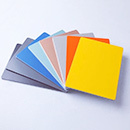
The Advantages of Lightweight Vacuum-Infused FRP Panels for Modern Construction
Table of Contents
- 1. Introduction to Lightweight Vacuum-Infused FRP Panels
- 2. What Are FRP Panels?
- 3. Benefits of Vacuum Infusion in FRP Panel Production
- 4. Applications of Lightweight Vacuum-Infused FRP Panels
- 5. Easy Installation Process
- 6. Cost-Effectiveness of FRP Panels
- 7. Comparison with Other Building Materials
- 8. FAQs about Lightweight Vacuum-Infused FRP Panels
- 9. Conclusion
1. Introduction to Lightweight Vacuum-Infused FRP Panels
In the ever-evolving construction industry, innovation plays a pivotal role in shaping the materials we use. **Lightweight vacuum-infused fiberglass-reinforced plastic (FRP) panels** have emerged as a groundbreaking solution, offering a multitude of advantages over traditional materials. These panels are specifically designed to meet the growing demands for efficiency, sustainability, and durability in building projects.
2. What Are FRP Panels?
**FRP panels** consist of a polymer matrix reinforced with glass fibers, making them exceptionally strong yet light. The vacuum infusion process involves creating a vacuum around the composite materials, allowing for better consolidation and less air entrapment during production. This process enhances the structural integrity of the panels while reducing the overall weight.
3. Benefits of Vacuum Infusion in FRP Panel Production
The vacuum infusion method offers several advantages that make FRP panels a preferred choice in modern construction.
3.1 Enhanced Strength and Durability
One of the greatest benefits of **lightweight vacuum-infused FRP panels** is their exceptional strength-to-weight ratio. These panels can withstand high loads and resist impact, making them suitable for various applications. The infusion process ensures that the glass fibers are evenly distributed, resulting in a uniform strength throughout the panel. This quality significantly reduces the likelihood of structural failures, offering peace of mind to builders and developers alike.
3.2 Weight Reduction
**Weight reduction** is another significant advantage of using FRP panels. Traditional construction materials like concrete and steel can be cumbersome, leading to increased transportation costs and labor intensity. In contrast, lightweight FRP panels simplify logistics, making it easier to handle and install materials on-site. This efficiency can drastically reduce labor costs and construction timelines.
3.3 Eco-Friendly Properties
Sustainability is at the forefront of modern construction, and **vacuum-infused FRP panels** align perfectly with eco-friendly building practices. These panels are often manufactured using recycled materials and are fully recyclable at the end of their life cycle. Additionally, their lightweight nature means that less energy is required for transportation and installation, contributing to a lower overall carbon footprint.
4. Applications of Lightweight Vacuum-Infused FRP Panels
The versatility of **lightweight vacuum-infused FRP panels** allows them to be utilized in various sectors, showcasing their adaptability.
4.1 Use in Construction
In the construction industry, FRP panels are used for façades, roofing, and structural components. Their weather-resistant properties make them ideal for use in harsh climates, protecting buildings from moisture and temperature fluctuations. Moreover, the aesthetic flexibility of FRP panels allows for creative designs, enabling architects to experiment with shapes and colors.
4.2 Use in Transportation
The transportation sector also benefits from the use of **lightweight vacuum-infused FRP panels**. They are often employed in the manufacturing of bus and train bodies, as well as in the aerospace industry. The reduction in weight contributes to greater fuel efficiency, which is crucial for reducing operational costs and environmental impact.
5. Easy Installation Process
The installation of **lightweight vacuum-infused FRP panels** is straightforward, primarily due to their lightweight nature. Workers can maneuver the panels easily, minimizing the risk of injury and reducing installation time. Additionally, the panels can be pre-fabricated, which allows for quicker assembly on-site, further enhancing project efficiency.
6. Cost-Effectiveness of FRP Panels
While the initial investment for **lightweight vacuum-infused FRP panels** may be higher than traditional materials, the long-term savings significantly outweigh the costs. Their durability means fewer repairs and replacements over time. Furthermore, the reduction in labor costs due to easier handling and installation offers a compelling financial argument for their use.
7. Comparison with Other Building Materials
When compared to traditional materials such as wood, concrete, or steel, **lightweight vacuum-infused FRP panels** stand out in several ways:
- **Weight**: FRP panels are significantly lighter than concrete and steel, reducing transportation and handling costs.
- **Corrosion Resistance**: Unlike metal, FRP panels do not rust, making them ideal for environments prone to moisture.
- **Insulation Properties**: FRP panels provide better insulation than traditional materials, leading to improved energy efficiency in buildings.
8. FAQs about Lightweight Vacuum-Infused FRP Panels
1. What are the primary benefits of lightweight vacuum-infused FRP panels?
**Lightweight vacuum-infused FRP panels** offer enhanced strength, reduced weight, eco-friendliness, and versatility in applications.
2. Are FRP panels suitable for outdoor use?
Yes, FRP panels are designed to withstand various weather conditions and are highly resistant to moisture.
3. How long do lightweight FRP panels last?
When properly maintained, **FRP panels** can have a lifespan of over 30 years, significantly reducing the need for replacements.
4. Can FRP panels be recycled?
Yes, many FRP panels are made from recyclable materials and can be repurposed at the end of their lifespan.
5. Are FRP panels cost-effective?
While the initial cost may be higher than traditional materials, the long-term savings in repairs and energy efficiency make them a cost-effective solution.
9. Conclusion
In conclusion, **lightweight vacuum-infused FRP panels** represent a significant advancement in construction materials, providing unparalleled advantages in strength, weight, and sustainability. Their versatility allows for a wide range of applications, from residential buildings to transportation vehicles. As the construction industry continues to evolve, embracing such innovative materials will be essential for developing eco-friendly, cost-effective, and durable structures. By incorporating **lightweight vacuum-infused FRP panels** into your next project, you can ensure a modern, efficient approach to construction that meets the demands of today's world.
Perhaps You Also Need:
- All
- Product Management
- News
- Introduction
- Enterprise outlets
- FAQ
- Enterprise Video
- Enterprise Atlas
Address
China ● Glass Steel City, Zaoqiang County, Hengshui City, Hebei Province