

A Comprehensive Guide to the Manufacturing Process of Fiberglass Hand-Layup Pipe Fittings
Mar 06,2026
A Comprehensive Guide to the Manufacturing Process of Fiberglass Hand-Layup Pipe Fittings
Table of Contents
1. Introduction to Fiberglass Hand-Layup Pipe Fittings
2. What Are Fiberglass Hand-Layup Pipe Fittings?
3. Benefits of Using Fiberglass Hand-Layup Pipe Fittings
4. Materials Used in the Manufacturing Process
5. The Manufacturing Process of Fiberglass Hand-Layup Pipe Fitt
A Comprehensive Guide to the Manufacturing Process of Fiberglass Hand-Layup Pipe Fittings
Table of Contents
- 1. Introduction to Fiberglass Hand-Layup Pipe Fittings
- 2. What Are Fiberglass Hand-Layup Pipe Fittings?
- 3. Benefits of Using Fiberglass Hand-Layup Pipe Fittings
- 4. Materials Used in the Manufacturing Process
- 5. The Manufacturing Process of Fiberglass Hand-Layup Pipe Fittings
- 5.1 Step 1: Preparation of Materials
- 5.2 Step 2: Layup and Curing Process
- 5.3 Step 3: Finishing and Inspection
- 6. Applications of Fiberglass Pipe Fittings
- 7. Sustainability Considerations in Fiberglass Manufacturing
- 8. Frequently Asked Questions
- 9. Conclusion
1. Introduction to Fiberglass Hand-Layup Pipe Fittings
In the world of plumbing and industrial applications, fiberglass hand-layup pipe fittings have emerged as a preferred choice due to their exceptional durability and resistance to corrosion. Fiberglass, a composite material made from fine glass fibers, offers a lightweight yet robust alternative to traditional materials like metal or PVC. This article provides a deep dive into the manufacturing process of these fittings, exploring each stage comprehensively, as well as discussing their benefits, applications, and sustainability aspects.
2. What Are Fiberglass Hand-Layup Pipe Fittings?
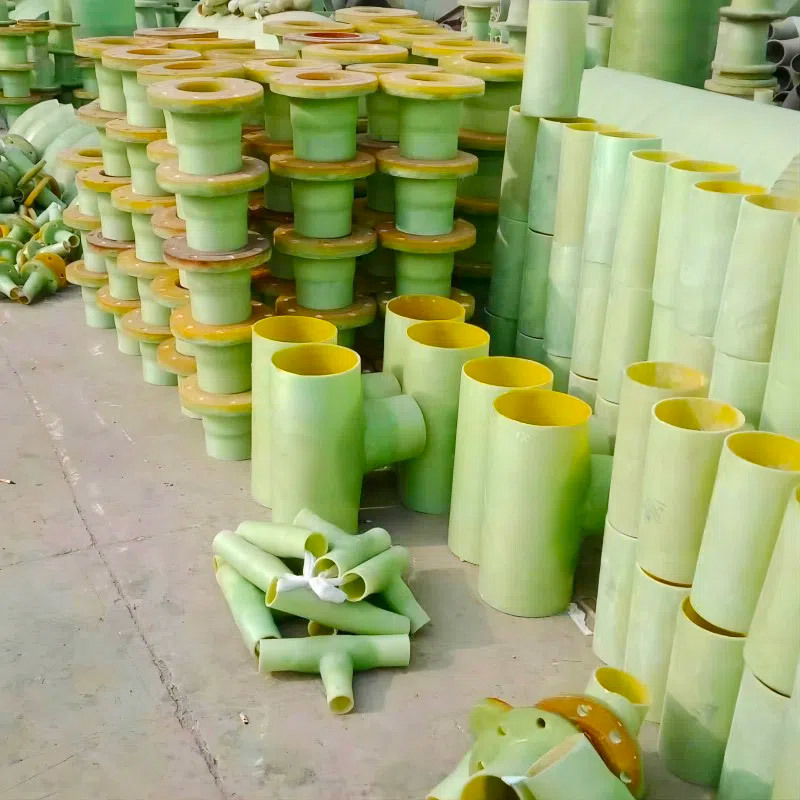
Fiberglass hand-layup pipe fittings are custom-designed components used in various piping systems. The hand-layup process involves manually applying layers of fiberglass and resin to create the desired shape and strength. This method allows for flexibility in design and the production of fittings that meet specific requirements for pressure and temperature.
3. Benefits of Using Fiberglass Hand-Layup Pipe Fittings
There are numerous advantages to using fiberglass hand-layup pipe fittings in industrial applications:
3.1 Corrosion Resistance
Fiberglass fittings are inherently resistant to corrosive substances, making them an ideal choice for chemical handling and wastewater systems.
3.2 Lightweight
Compared to metal alternatives, fiberglass is significantly lighter, which eases transportation and installation processes.
3.3 Durability
Fiberglass pipe fittings exhibit excellent durability, capable of withstanding harsh environments and mechanical stress without failure.
3.4 Customization
The hand-layup technique allows for the production of custom shapes and sizes, catering to specific project needs.
3.5 Cost-Effectiveness
While the initial investment may be comparable to other materials, the longevity and reduced maintenance needs of fiberglass fittings can lead to lower overall costs.
4. Materials Used in the Manufacturing Process
The manufacturing of fiberglass hand-layup pipe fittings involves several key materials:
4.1 Fiberglass Reinforcements
Fiberglass reinforcement comes in various forms, including woven roving, chopped strand mat, and continuous fibers, providing the necessary strength and flexibility.
4.2 Resins
The choice of resin plays a critical role in determining the properties of the final product. Commonly used resins include polyester, vinyl ester, and epoxy, each offering distinct benefits.
4.3 Additives and Fillers
Additives such as colorants, UV stabilizers, and fillers are incorporated to enhance specific characteristics like appearance, performance, and resistance to environmental factors.
5. The Manufacturing Process of Fiberglass Hand-Layup Pipe Fittings
The manufacturing process for fiberglass hand-layup pipe fittings consists of several detailed steps:
5.1 Step 1: Preparation of Materials
The first step involves gathering all necessary materials, including fiberglass, resins, and any additives. The work area is thoroughly cleaned and prepared to prevent contamination. Molds, typically made from metals or durable plastics, are also prepared to ensure the proper shape of the fittings.
5.2 Step 2: Layup and Curing Process
The layup process begins with applying a gel coat to the mold, which provides a smooth surface and adds aesthetic value. Once cured, layers of fiberglass and resin are meticulously laid into the mold by skilled workers. This layer-by-layer approach ensures that the fittings achieve desired thickness and strength. Curing usually occurs at room temperature or can be accelerated through the application of heat.
5.3 Step 3: Finishing and Inspection
After curing, the fittings are removed from the molds and undergo finishing processes, which may include trimming, sanding, and applying additional coatings. Each piece is then subjected to rigorous inspection to ensure it meets industry standards and specifications.
6. Applications of Fiberglass Pipe Fittings
Fiberglass hand-layup pipe fittings are versatile and find applications in various industries:
6.1 Chemical Processing
Their resistance to corrosive chemicals makes them ideal for use in chemical processing plants.
6.2 Water Treatment
Fiberglass fittings are commonly used in water treatment facilities due to their longevity and reliability.
6.3 Oil and Gas
In the oil and gas sector, they are used in pipelines for transporting fluids and gases, where durability is crucial.
6.4 Construction
Fiberglass fittings are also employed in construction for plumbing and HVAC systems, offering a lightweight yet strong option.
7. Sustainability Considerations in Fiberglass Manufacturing
The environmental impact of manufacturing processes is a growing concern in today's industry. Fiberglass hand-layup pipe fittings score well on sustainability metrics due to their longevity and energy efficiency during production. Moreover, advancements in recycling processes for fiberglass composites are paving the way for a more sustainable future.
8. Frequently Asked Questions
8.1 What is the lifespan of fiberglass hand-layup pipe fittings?
Fiberglass fittings can last for decades when properly maintained, often exceeding the lifespan of traditional materials.
8.2 Are fiberglass fittings suitable for high-temperature applications?
Yes, fiberglass fittings can handle high temperatures, especially when utilizing high-performance resins like vinyl ester or epoxy.
8.3 How are fiberglass fittings installed?
Installation can typically be done using standard tools and methods, but it is essential to follow the manufacturer's guidelines for the best results.
8.4 Can fiberglass fittings be repaired?
Minor damages can often be repaired using resin and fiberglass patches, restoring their functionality without the need for complete replacement.
8.5 Is there any specific maintenance required for fiberglass fittings?
Fiberglass fittings require minimal maintenance; regular inspections for signs of wear or damage are recommended to ensure long-term performance.
9. Conclusion
The manufacturing process of fiberglass hand-layup pipe fittings is a meticulous blend of art and science, resulting in durable, lightweight, and corrosion-resistant components suitable for various applications. By understanding the materials, benefits, and processes involved, industry professionals can make informed decisions that enhance the performance and longevity of their piping systems. As we move toward more sustainable practices in manufacturing, fiberglass fittings stand out as a solution that meets both functional and environmental needs.
Previous:
Perhaps You Also Need:
All
- All
- Product Management
- News
- Introduction
- Enterprise outlets
- FAQ
- Enterprise Video
- Enterprise Atlas
Mobile Phone
Address
China ● Glass Steel City, Zaoqiang County, Hengshui City, Hebei Province