

Product

FRP spray tower


- Description
-
1. Structure and Characteristics
1. Tower Body: Made of fiberglass, sturdy and durable, corrosion-resistant.
2. Spraying System: Uses high-efficiency nozzles to ensure even distribution of liquid, improving processing efficiency.
3. Packing Layer: Specially designed to increase contact area, facilitating gas-liquid reactions.
4. Inlet and Outlet: Reasonably designed to ensure smooth gas flow and reduce resistance.
2. Working Principle
The fiberglass spray tower sprays liquid into the tower through the spraying system, and waste gas enters through the tower body, fully contacting the sprayed liquid. In the packing layer, the gas-liquid reaction time increases, harmful substances are absorbed or neutralized by the liquid, thus achieving the purpose of purifying waste gas.
3. Performance Advantages
1. High Efficiency Purification: Effectively removes harmful substances from waste gas, meeting environmental protection standards.
2. Corrosion Resistance: Fiberglass material has good corrosion resistance, suitable for various acidic and alkaline waste gases.
3. Easy Maintenance: Simple structure, low maintenance costs.
4. Stable Operation: Reasonably designed spraying system, stable operation, long lifespan.
4. Applications
Fiberglass spray towers are widely used in waste gas treatment in industries such as chemical, pharmaceutical, metallurgy, and dyeing. Different specifications and models of spray towers can be customized according to specific needs to meet various waste gas treatment requirements.
5. Precautions
1. Ensure a level foundation during installation to prevent deformation of the tower body.
2. Regularly check the spraying system during operation to ensure even liquid distribution.
3. Choose the appropriate absorbent liquid based on the composition of the waste gas and replace it regularly.
4. Perform regular maintenance to ensure the equipment operates normally.
In summary, the fiberglass spray tower is an efficient and stable waste gas treatment device with excellent corrosion resistance, widely used in various industrial fields. Through reasonable structural design and operational maintenance, the long-term stable operation of the equipment can be ensured, providing strong support for environmental protection and industrial production.
An FRP spray tower is a highly efficient air pollution control device constructed from Fiberglass Reinforced Plastic (FRP). It is specifically designed to treat and purify industrial waste gases by absorbing harmful pollutants into a liquid medium. The FRP spray tower is renowned for its durability, corrosion resistance, and effective performance in various challenging industrial environments.

1. Structure and Characteristics
The robust design of the FRP spray tower ensures long-term reliability. Key structural components include:
Tower Body: The main body is fabricated from high-quality FRP, making it exceptionally sturdy, durable, and resistant to a wide range of corrosive chemicals. This material choice is ideal for handling acidic or alkaline exhaust streams.
Spraying System: This system is equipped with high-efficiency nozzles that atomize the absorbent liquid, ensuring a fine and even distribution throughout the tower. This maximizes the contact surface area between the gas and liquid phases.
Packing Layer: A specially designed packing layer is installed to significantly increase the interior surface area. This promotes intense contact and facilitates efficient gas-liquid mass transfer and chemical reactions.
Inlet and Outlet: The gas inlet and outlet are aerodynamically designed to ensure smooth gas flow, minimize pressure drop (resistance), and optimize the distribution of gas within the tower.2. Working Principle
The operational principle of the FRP spray tower is straightforward yet highly effective. The contaminated gas stream enters the tower through the inlet. Simultaneously, the spraying system disperses the absorbent liquid (e.g., water, caustic solution) from the top. As the gas rises, it comes into intimate contact with the descending liquid droplets and the wetted surface of the packing layer. During this extended contact time, harmful pollutants (such as acidic gases, dust particles, or soluble organic compounds) are absorbed, neutralized, or otherwise transferred into the liquid phase. The purified gas then exits through the top outlet, while the contaminated liquid is collected at the bottom for treatment or disposal.
3. Performance Advantages
The design and material of the FRP spray tower confer several significant advantages:
High-Efficiency Purification: It effectively removes a broad spectrum of hazardous substances, ensuring compliance with stringent environmental emission standards.
Superior Corrosion Resistance: The FRP construction offers excellent resistance to corrosion, rust, and chemical degradation, making it suitable for aggressive industrial applications and extending its service life.
Low Maintenance & Easy Operation: The simple internal structure, devoid of complex moving parts, translates to minimal maintenance requirements and low operational costs.
Stable and Reliable Operation: The carefully engineered spraying and gas distribution systems ensure consistent and stable performance under varying load conditions.4. Applications
FRP spray towers are versatile and widely used for waste gas treatment across numerous industries, including chemical processing, pharmaceutical manufacturing, metallurgy, electroplating, and dyeing. Customized specifications are available to meet specific flow rates and pollutant removal requirements.
In summary, the FRP spray tower is a robust, efficient, and cost-effective solution for industrial air purification. Its FRP construction provides unmatched corrosion resistance, ensuring reliable performance and long-term value for demanding waste gas treatment applications.
Application
As a professional supplier of FRP products in China, we are committed to providing customers with high-performance, environmentally friendly and customized solutions, which are widely used in chemical, electric power, transportation, construction and other industries.
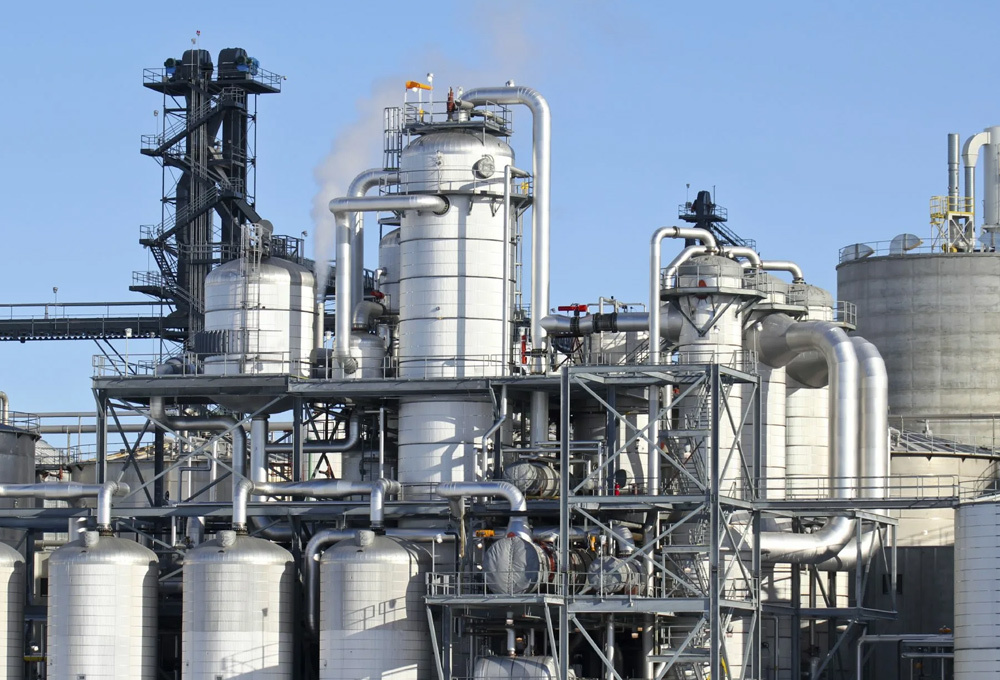
Chemical industry

Electric Power Sector
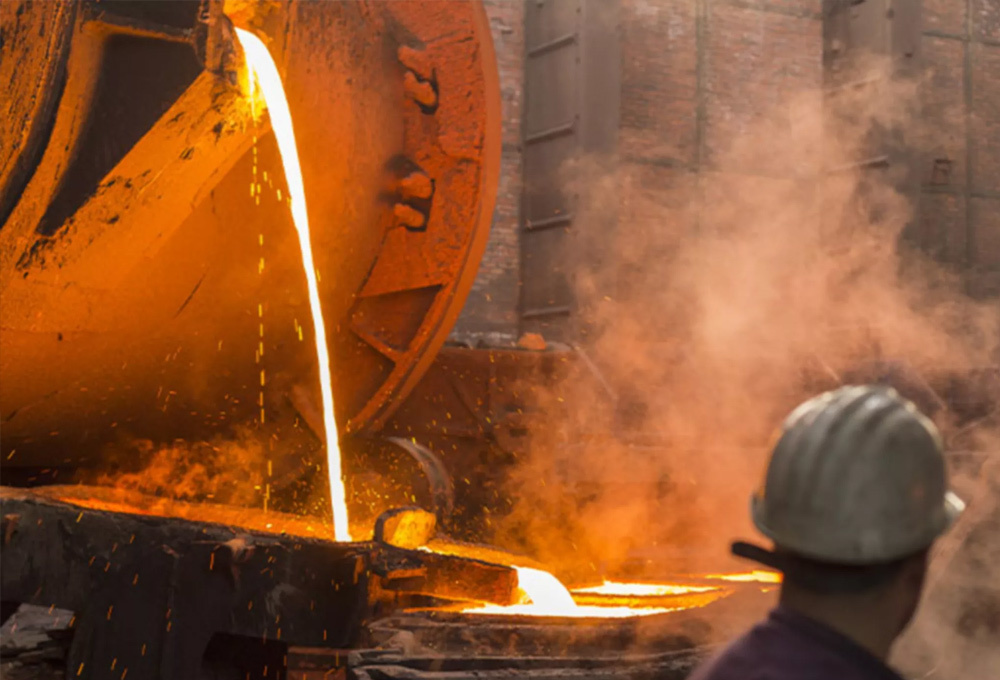
Metallurgy

Electronics field

Pharmaceutical field
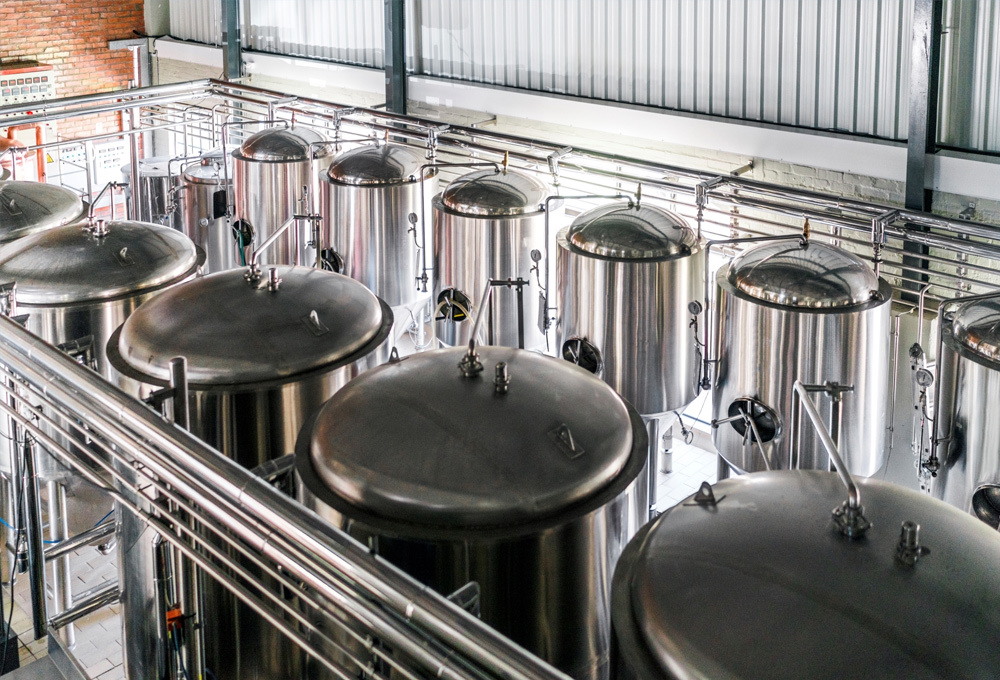
Food processing field
Related Recommend
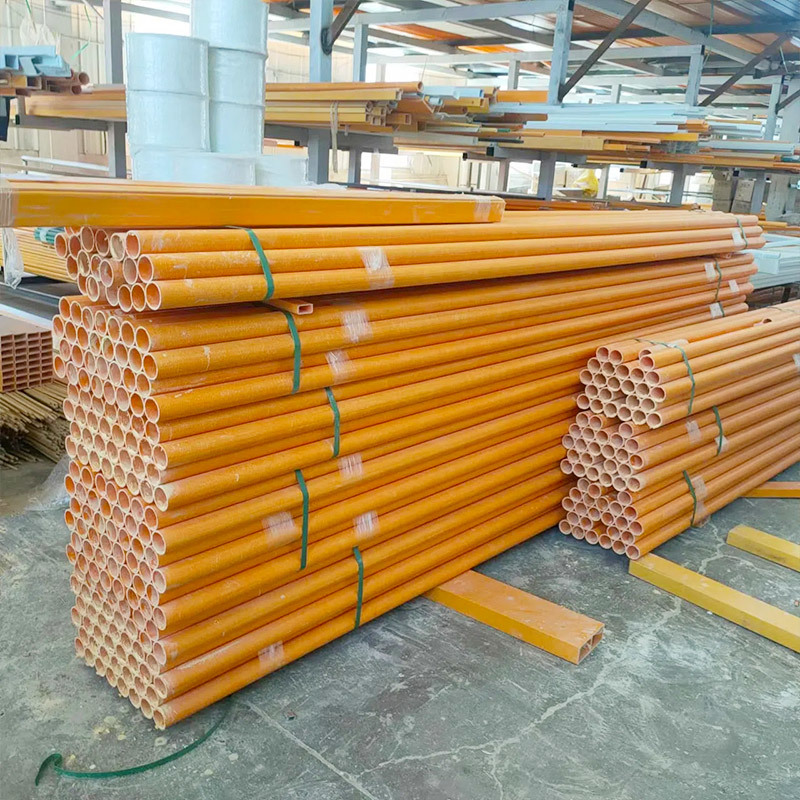
Perhaps You Also Need:
- All
- Product Management
- News
- Introduction
- Enterprise outlets
- FAQ
- Enterprise Video
- Enterprise Atlas
Address
China ● Glass Steel City, Zaoqiang County, Hengshui City, Hebei Province