

Why Choose FRP Composite Handrails for Your Next Building Project?
Jun 12,2025
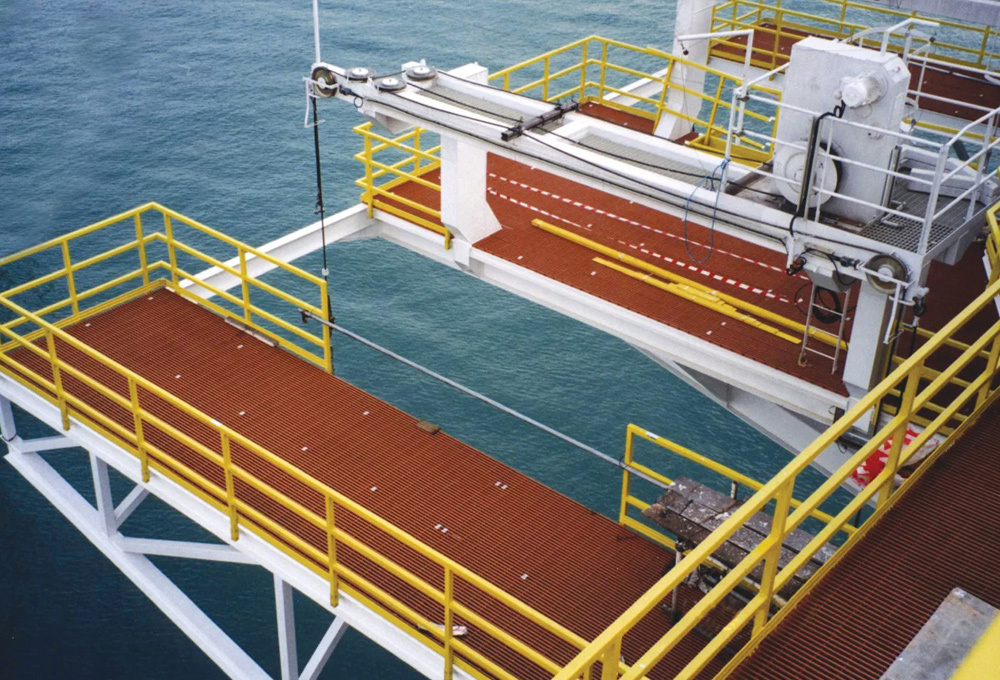
Why Choose FRP Composite Handrails for Your Next Building Project?
Table of Contents
- Introduction to FRP Composite Handrails
- Benefits of FRP Composite Handrails
- Applications of FRP Composite Handrails
- Installation Process of FRP Handrails
- Safety Features of FRP Composite Handrails
- Environmental Benefits of FRP Materials
- FRP vs. Traditional Materials: A Comparison
- Conclusion
- Frequently Asked Questions
Introduction to FRP Composite Handrails
FRP (Fiberglass Reinforced Plastic) composite handrails represent a modern solution in the realm of architectural and construction materials. These handrails are crafted from a combination of fiberglass and resin, resulting in a product that is not only lightweight but also exceptionally strong. As the demand for innovative and sustainable building materials increases, FRP handrails are becoming a popular choice among architects, builders, and property owners alike.
Benefits of FRP Composite Handrails
Exceptional Durability
One of the most significant advantages of **FRP composite handrails** is their durability. Unlike traditional materials such as wood or metal, FRP is resistant to corrosion, rust, and decay. This resilience makes them ideal for environments that experience extreme weather conditions, whether it’s the salty air near coastlines or moisture-rich settings like swimming pools. The longevity of FRP handrails means less frequent replacements, ultimately saving money over time.
Low Maintenance and Care
**Maintenance** is a crucial factor in the selection of materials for any construction project. FRP composite handrails require minimal upkeep compared to their counterparts. A simple wash with soap and water is often all that’s needed to keep them looking new. There’s no need for painting, staining, or sealing, which not only reduces costs but also minimizes the labor involved in maintenance.
Aesthetic Versatility
Aesthetics play a vital role in any building project, and **FRP composite handrails** offer a wide range of design options. Available in various colors, styles, and finishes, these handrails can be customized to complement any architectural vision. Whether you desire a sleek modern look or a traditional appearance, FRP can be tailored to meet your aesthetic requirements, enhancing the overall appeal of your project.
Cost-Effectiveness
While the initial investment in **FRP composite handrails** may be higher than traditional materials, the long-term savings make them a cost-effective choice. Considerations such as durability, low maintenance, and reduced replacement frequency contribute to a lower total cost of ownership. These handrails also contribute to energy efficiency in buildings, leading to further savings on utility bills.
Applications of FRP Composite Handrails
FRP composite handrails are not confined to a specific type of structure; they can be used in a variety of applications, including:
- **Commercial Buildings**: From office complexes to retail spaces, FRP handrails provide safety and style.
- **Industrial Sites**: Their resistance to harsh chemicals makes them suitable for factories and warehouses.
- **Residential Projects**: Homeowners are increasingly using FRP handrails for decks, staircases, and balconies.
- **Public Spaces**: Parks, recreational areas, and waterfront developments benefit from the durability and aesthetic versatility of FRP materials.
Installation Process of FRP Handrails
The installation of **FRP composite handrails** is straightforward, allowing for quick project completion. Typically, the handrails come pre-manufactured, minimizing on-site labor. Skilled installers can easily mount these handrails to existing structures, ensuring they meet all safety regulations. A professional installation also ensures that the handrails are properly secured, providing the necessary support and safety for users.
Safety Features of FRP Composite Handrails
Safety is paramount in any construction project, and FRP handrails excel in this area. Their non-conductive properties make them ideal for electrical safety in industrial settings. Additionally, the textured surface of many FRP handrails provides excellent grip, reducing the risk of slips and falls. The robust construction also ensures that they can withstand significant weight, making them reliable for both residential and commercial applications.
Environmental Benefits of FRP Materials
In an era where sustainability is increasingly important, **FRP composite handrails** present several environmental advantages. They are manufactured from recyclable materials, contributing to a reduced carbon footprint. Furthermore, the longevity of these handrails means less waste is generated over time. By choosing FRP, builders and property owners can support environmentally friendly practices while benefiting from high-performance products.
FRP vs. Traditional Materials: A Comparison
When deciding between **FRP composite handrails** and traditional materials like wood, steel, or aluminum, it’s essential to consider key differences:
- **Durability**: FRP outlasts wood and metal in harsh environments.
- **Maintenance**: FRP requires significantly less upkeep than wood or painted metal.
- **Cost**: While initial costs may vary, FRP often proves more cost-effective in the long run.
- **Safety**: Non-conductive properties make FRP safer in electrical applications than metals.
This comparison underscores the advantages of selecting FRP over traditional materials for handrail applications.
Conclusion
In summary, **FRP composite handrails** present a compelling choice for any building project. Their combination of durability, low maintenance, aesthetic flexibility, cost-effectiveness, and safety features makes them an excellent investment. As construction practices evolve, integrating innovative materials like FRP will not only enhance the functionality of spaces but also contribute positively to the environment. Moving forward, consider FRP composite handrails to ensure that your project stands the test of time while meeting modern demands for safety and sustainability.
Frequently Asked Questions
1. What are FRP composite handrails made from?
FRP composite handrails are made from fiberglass reinforced plastic, combining fiberglass and resin for strength and durability.
2. Are FRP handrails suitable for outdoor use?
Yes, FRP handrails are highly resistant to weather, making them ideal for outdoor applications.
3. How do I clean FRP composite handrails?
Simply wash them with soap and water; there’s no need for special cleaning products.
4. Can I customize the color of FRP handrails?
Yes, FRP handrails are available in a wide range of colors and finishes to match your design preferences.
5. How do FRP handrails compare to wood handrails?
FRP handrails are more durable, require less maintenance, and resist rot and corrosion better than wood handrails.
This article serves to inform and guide architects, builders, and property owners on the numerous benefits of choosing FRP composite handrails for their building projects, ensuring a selection that combines safety, aesthetics, and longevity.

Perhaps You Also Need:
- All
- Product Management
- News
- Introduction
- Enterprise outlets
- FAQ
- Enterprise Video
- Enterprise Atlas
Address
China ● Glass Steel City, Zaoqiang County, Hengshui City, Hebei Province