

How to Conduct a Feasibility Study for FRP Desulfurization Towers: A Comprehensive Guide
May 31,2025
How to Conduct a Feasibility Study for FRP Desulfurization Towers
The need for effective pollution control technology has never been more pressing, particularly in the chemical industry. Among various solutions, **FRP (Fiber Reinforced Plastic) desulfurization towers** stand out for their durability and efficiency. However, before diving into implementation, conducting a **feasibility study** is c
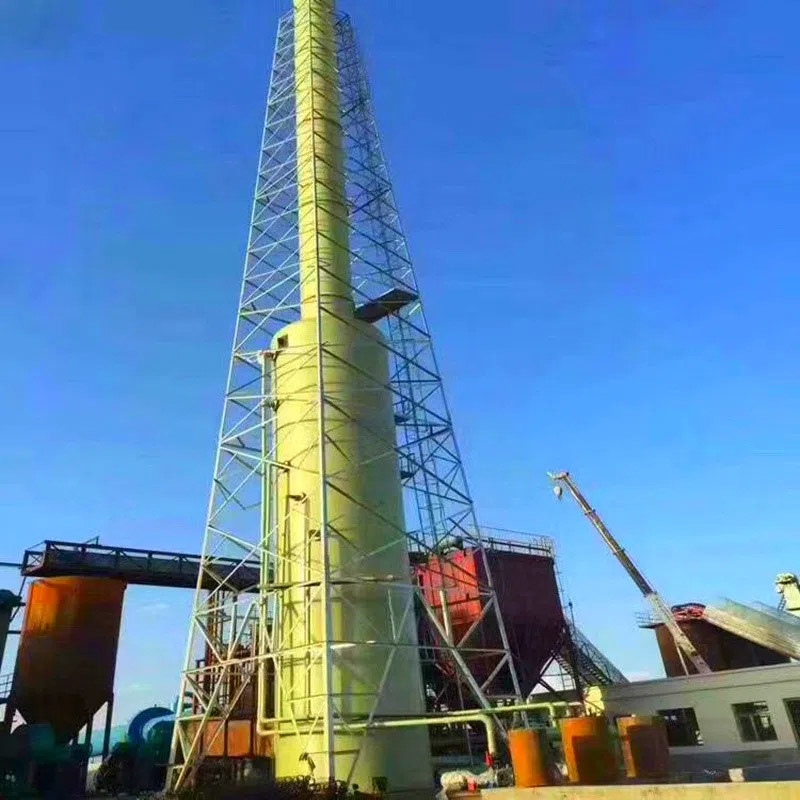
How to Conduct a Feasibility Study for FRP Desulfurization Towers
The need for effective pollution control technology has never been more pressing, particularly in the chemical industry. Among various solutions, **FRP (Fiber Reinforced Plastic) desulfurization towers** stand out for their durability and efficiency. However, before diving into implementation, conducting a **feasibility study** is crucial. This article outlines essential steps to execute a thorough feasibility study tailored for FRP desulfurization towers, ensuring that your project aligns with technical, economic, and regulatory requirements.
Table of Contents
1. Understanding FRP Desulfurization Towers
2. The Importance of a Feasibility Study
3. Key Components of a Feasibility Study
- 3.1 Technical Feasibility
- 3.2 Economic Feasibility
- 3.3 Operational Feasibility
- 3.4 Legal and Regulatory Feasibility
4. Steps to Conduct a Feasibility Study
- 4.1 Preliminary Research
- 4.2 Site Analysis
- 4.3 Financial Analysis
- 4.4 Risk Assessment
5. Case Studies and Examples
6. Common Challenges and Solutions
7. Frequently Asked Questions
8. Conclusion
Understanding FRP Desulfurization Towers
FRP desulfurization towers are integral to reducing sulfur emissions from various industrial processes. These towers utilize advanced materials to withstand harsh chemical environments while effectively removing sulfur compounds from gases. The use of **fiber reinforced plastics** enhances durability, making them a viable option for long-term operations.
**Key Benefits**:
- **Corrosion Resistance**: FRP materials resist degradation, extending equipment lifespan.
- **Cost-Effectiveness**: Lower maintenance costs compared to traditional materials.
- **Efficiency**: High removal rates for sulfur compounds.
Understanding these benefits is critical in assessing the need for these towers within your operations.
The Importance of a Feasibility Study
Conducting a feasibility study serves multiple purposes. It provides a structured approach to evaluating whether the proposed project makes sense from both a technical and financial standpoint.
**Reasons to Conduct a Feasibility Study**:
- **Risk Mitigation**: Identifying potential issues before they arise.
- **Resource Allocation**: Ensuring that financial and human resources are efficiently utilized.
- **Regulatory Compliance**: Confirming that the project adheres to all relevant laws and regulations.
Ultimately, a well-executed feasibility study can save time and resources, making it an indispensable part of the planning process.
Key Components of a Feasibility Study
A comprehensive feasibility study typically includes several key components that must be addressed to ensure a thorough evaluation.
Technical Feasibility
This aspect assesses whether the technology and methods proposed can meet the project’s objectives. Factors to consider include:
- **Material Availability**: Are the necessary FRP materials readily available?
- **Technology Maturity**: Has the technology been tested and proven in similar applications?
- **Design Specifications**: Are the engineering designs robust enough to handle operational requirements?
Technical feasibility helps in understanding the project's viability from an engineering perspective.
Economic Feasibility
Economic feasibility evaluates the financial aspects of the project. It involves:
- **Cost Estimates**: Analyzing initial capital investments, operational costs, and maintenance expenses.
- **Return on Investment (ROI)**: Projecting potential revenue or savings generated by the technology.
- **Market Analysis**: Understanding the demand for desulfurized products and services.
By addressing these factors, stakeholders can determine whether the financial investment is justified.
Operational Feasibility
Operational feasibility examines whether the proposed project can be implemented within the existing operational framework. Key considerations include:
- **Staffing Requirements**: Does the organization have the personnel necessary to operate and maintain the towers?
- **Training Needs**: What training will staff require to effectively utilize the new technology?
- **Impact on Current Operations**: How will the implementation of FRP towers affect existing processes?
This component helps ensure that the project integrates smoothly with current operations.
Legal and Regulatory Feasibility
Understanding the legal landscape is critical for any project. This includes:
- **Permits**: Identifying necessary permits and licenses required for installation and operation.
- **Environmental Regulations**: Ensuring compliance with local, national, and international environmental laws.
- **Health and Safety Standards**: Evaluating the project's adherence to safety regulations.
Addressing these legal aspects early can prevent costly delays and legal challenges.
Steps to Conduct a Feasibility Study
Conducting a feasibility study involves several structured steps. Below is a detailed guide on how to approach each stage.
Preliminary Research
Begin with gathering existing data about FRP desulfurization technologies. This research phase should include:
- **Literature Reviews**: Examine studies, white papers, and industry reports on FRP technologies.
- **Expert Consultations**: Engage with industry experts to gain insights into recent advancements and best practices.
This foundational research will help in formulating an informed approach for the study.
Site Analysis
Evaluating potential sites for installing desulfurization towers is essential. This analysis should cover:
- **Location Suitability**: Assess proximity to existing operations and infrastructure.
- **Environmental Impact**: Analyze how the installation might affect local ecosystems.
- **Access to Utilities**: Ensure the site has adequate access to electricity, water, and other necessary resources.
A thorough site analysis will inform the practicality of the proposed project location.
Financial Analysis
A financial analysis should include a detailed cost-benefit analysis, examining:
- **Initial Investment Costs**: Estimate costs for equipment, installation, and initial operational setup.
- **Operating Expenses**: Include maintenance, labor, and utility costs.
- **Long-Term Savings**: Calculate potential savings from reduced emissions and compliance with regulations.
This analysis will help stakeholders understand the economic implications of their decisions.
Risk Assessment
Identifying risks associated with the project is crucial. This should encompass:
- **Technical Risks**: Potential technical failures or limitations of the FRP technology.
- **Economic Risks**: Market fluctuations that could impact profitability.
- **Regulatory Risks**: Changes in environmental laws that could affect operations.
By proactively addressing these risks, project teams can develop mitigation strategies.
Case Studies and Examples
Learning from existing projects can provide valuable insights. Several successful implementations of FRP desulfurization towers highlight various approaches to feasibility studies:
- **Case Study 1**: A chemical plant that integrated FRP towers, resulting in a 30% reduction in sulfur emissions while maintaining compliance with new regulations.
- **Case Study 2**: A rubber processing facility that underwent a feasibility study that revealed significant cost savings over five years through reduced penalties for emissions.
These examples demonstrate the importance of thorough feasibility studies in achieving successful project outcomes.
Common Challenges and Solutions
While conducting a feasibility study for FRP desulfurization towers, challenges often arise. Below are some common issues along with possible solutions:
- **Challenge**: Limited data on technology performance.
- **Solution**: Collaborate with technology providers for case studies or pilot projects.
- **Challenge**: Underestimating operational costs.
- **Solution**: Consult with experienced professionals to obtain accurate estimates.
- **Challenge**: Regulatory hurdles.
- **Solution**: Engage with legal experts to navigate compliance effectively.
Addressing these challenges head-on can facilitate a smoother feasibility study process.
Frequently Asked Questions
1. What is an FRP desulfurization tower?
An FRP desulfurization tower is a pollution control device that uses fiber-reinforced plastic materials to remove sulfur compounds from industrial emissions.
2. Why is a feasibility study necessary for FRP desulfurization towers?
It helps assess the technical, economic, and regulatory viability of the project, reducing risks and ensuring resource efficiency.
3. What are the key components of a feasibility study?
Key components include technical feasibility, economic feasibility, operational feasibility, and legal and regulatory feasibility.
4. How long does a feasibility study typically take?
The duration can vary depending on project complexity, but it generally takes several weeks to a few months.
5. What challenges can arise during a feasibility study?
Common challenges include limited data on technology, underestimated costs, and navigating regulatory requirements.
Conclusion
Conducting a feasibility study for FRP desulfurization towers is an essential step toward implementing effective pollution control measures in the chemical and rubber processing industries. By thoroughly evaluating technical, economic, operational, and regulatory aspects, organizations can make informed decisions that align with their environmental goals. The insights and steps provided in this guide offer a roadmap to navigate the complexities of feasibility studies, ensuring successful project outcomes that contribute to sustainable operations.
The next one:
Perhaps You Also Need:
All
- All
- Product Management
- News
- Introduction
- Enterprise outlets
- FAQ
- Enterprise Video
- Enterprise Atlas
Address
China ● Glass Steel City, Zaoqiang County, Hengshui City, Hebei Province