

Understanding the Best Industrial FRP Desulfurization Towers for Chemical Processing
Jun 03,2025
In the chemical processing industry, particularly in rubber processing machinery, the need for efficient and effective pollution control systems is paramount. One crucial component in this domain is the industrial FRP (Fiberglass Reinforced Plastic) desulfurization tower. These towers play an essential role in reducing sulfur dioxide (SO2) emissions, ensuring compliance with environmental regulati
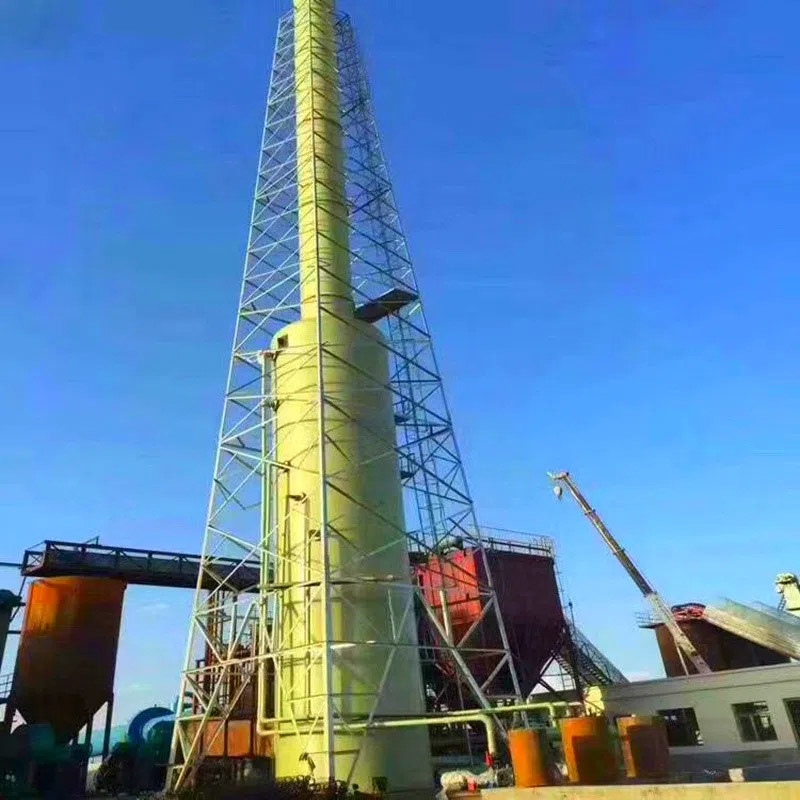
In the chemical processing industry, particularly in rubber processing machinery, the need for efficient and effective pollution control systems is paramount. One crucial component in this domain is the industrial FRP (Fiberglass Reinforced Plastic) desulfurization tower. These towers play an essential role in reducing sulfur dioxide (SO2) emissions, ensuring compliance with environmental regulations while maintaining operational efficiency.
FRP desulfurization towers are favored for their durability, lightweight properties, and resistance to corrosion. Unlike traditional materials, FRP can withstand harsh chemical environments often found in chemical processing, making them an ideal choice for desulfurization applications. Their design allows for a high surface area, enhancing the gas-liquid interaction which is vital for effective SO2 removal.
When looking for the best industrial FRP desulfurization towers, several key factors should be considered. First, the tower's design and technology play a significant role in its performance. Advanced designs may incorporate features such as counterflow or crossflow configurations, which optimize the absorption process of sulfur dioxide. Additionally, the choice of packing materials within the tower can significantly influence its efficiency. High-performance packing materials maximize the contact area between the gas and the absorbing liquid, improving overall desulfurization effectiveness.
Another critical aspect is the operational capacity of the tower. It is essential to assess the volume of flue gas that needs treatment, as this directly impacts the size and configuration of the desulfurization system. The best industrial FRP desulfurization towers are designed to accommodate varying operational loads while maintaining high efficiency levels.
Moreover, maintenance considerations are crucial when selecting a desulfurization tower. The inherent properties of FRP, such as resistance to scaling and fouling, contribute to lower maintenance requirements compared to traditional materials. This translates to reduced operational downtime and lower maintenance costs, which is vital for any manufacturing process.
Finally, the environmental impact of the desulfurization process cannot be overlooked. Implementing the best industrial FRP desulfurization towers not only helps in meeting regulatory standards but also contributes to a company's commitment to sustainability. By effectively reducing sulfur emissions, these towers play a vital role in mitigating air pollution and promoting a healthier environment.
In conclusion, selecting the best industrial FRP desulfurization tower involves careful consideration of design, capacity, maintenance, and environmental impact. By understanding these factors, businesses in the chemical processing and rubber processing sectors can optimize their pollution control strategies, ensuring both compliance and efficiency.
FRP desulfurization towers are favored for their durability, lightweight properties, and resistance to corrosion. Unlike traditional materials, FRP can withstand harsh chemical environments often found in chemical processing, making them an ideal choice for desulfurization applications. Their design allows for a high surface area, enhancing the gas-liquid interaction which is vital for effective SO2 removal.
When looking for the best industrial FRP desulfurization towers, several key factors should be considered. First, the tower's design and technology play a significant role in its performance. Advanced designs may incorporate features such as counterflow or crossflow configurations, which optimize the absorption process of sulfur dioxide. Additionally, the choice of packing materials within the tower can significantly influence its efficiency. High-performance packing materials maximize the contact area between the gas and the absorbing liquid, improving overall desulfurization effectiveness.
Another critical aspect is the operational capacity of the tower. It is essential to assess the volume of flue gas that needs treatment, as this directly impacts the size and configuration of the desulfurization system. The best industrial FRP desulfurization towers are designed to accommodate varying operational loads while maintaining high efficiency levels.
Moreover, maintenance considerations are crucial when selecting a desulfurization tower. The inherent properties of FRP, such as resistance to scaling and fouling, contribute to lower maintenance requirements compared to traditional materials. This translates to reduced operational downtime and lower maintenance costs, which is vital for any manufacturing process.
Finally, the environmental impact of the desulfurization process cannot be overlooked. Implementing the best industrial FRP desulfurization towers not only helps in meeting regulatory standards but also contributes to a company's commitment to sustainability. By effectively reducing sulfur emissions, these towers play a vital role in mitigating air pollution and promoting a healthier environment.
In conclusion, selecting the best industrial FRP desulfurization tower involves careful consideration of design, capacity, maintenance, and environmental impact. By understanding these factors, businesses in the chemical processing and rubber processing sectors can optimize their pollution control strategies, ensuring both compliance and efficiency.
Perhaps You Also Need:
All
- All
- Product Management
- News
- Introduction
- Enterprise outlets
- FAQ
- Enterprise Video
- Enterprise Atlas
Address
China ● Glass Steel City, Zaoqiang County, Hengshui City, Hebei Province