

The Benefits of Using Fiberglass Hand-Layup Pipe Fittings in Construction
Jun 06,2025
The Benefits of Using Fiberglass Hand-Layup Pipe Fittings in Construction
Table of Contents
1. Introduction to Fiberglass Hand-Layup Pipe Fittings
2. What Are Fiberglass Hand-Layup Pipe Fittings?
3. Advantages of Fiberglass Pipe Fittings in Construction
3.1 Durability and Strength
3.2 Corrosion Resistance
3.3 Lightweight and Easy to Install
3
The Benefits of Using Fiberglass Hand-Layup Pipe Fittings in Construction
Table of Contents
- 1. Introduction to Fiberglass Hand-Layup Pipe Fittings
- 2. What Are Fiberglass Hand-Layup Pipe Fittings?
- 3. Advantages of Fiberglass Pipe Fittings in Construction
- 3.1 Durability and Strength
- 3.2 Corrosion Resistance
- 3.3 Lightweight and Easy to Install
- 3.4 Cost-Effectiveness
- 3.5 Thermal Insulation Properties
- 4. Applications of Fiberglass Hand-Layup Pipe Fittings in Construction
- 5. Comparison with Other Pipe Fitting Materials
- 6. Installation and Maintenance of Fiberglass Pipe Fittings
- 7. Case Studies: Successful Uses of Fiberglass Pipe Fittings
- 8. Frequently Asked Questions (FAQs)
- 9. Conclusion
1. Introduction to Fiberglass Hand-Layup Pipe Fittings
In the ever-evolving construction industry, the choice of materials plays a pivotal role in the success of projects. Fiberglass hand-layup pipe fittings have emerged as a revolutionary alternative to traditional materials such as metal and PVC. By leveraging advanced manufacturing techniques, these fittings provide a unique combination of **strength**, **corrosion resistance**, and **lightweight properties**. In this article, we will delve into the multitude of benefits that fiberglass hand-layup pipe fittings offer, making them an indispensable component in modern construction.
2. What Are Fiberglass Hand-Layup Pipe Fittings?
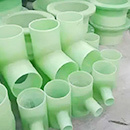
Fiberglass hand-layup pipe fittings are composite materials made from layers of fiberglass and resin. The hand-layup method involves manually placing fiberglass matting into a mold, followed by the application of resin to bind the fibers together. This technique allows for custom shapes and sizes, catering to diverse construction needs. The result is a **high-quality**, **structurally sound**, and **versatile product** that is not only suitable for various applications but excels in terms of performance.
3. Advantages of Fiberglass Pipe Fittings in Construction
The adoption of fiberglass hand-layup pipe fittings in construction offers numerous benefits. Let’s explore some of the most significant advantages.
3.1 Durability and Strength
Fiberglass fittings are renowned for their exceptional durability. Unlike metal pipes that can suffer from rust and corrosion, fiberglass is inherently resistant to various environmental factors. Its ability to withstand extreme temperatures and pressures ensures that construction projects maintain their integrity over time. Moreover, fiberglass fittings can endure impact and stress, making them ideal for high-demand applications.
3.2 Corrosion Resistance
One of the standout features of fiberglass hand-layup pipe fittings is their **corrosion resistance**. These fittings are immune to the harmful effects of chemical exposure, moisture, and environmental pollutants. In industries such as wastewater management, chemical processing, and marine applications, this property significantly extends the lifespan of the fittings, reducing the need for frequent replacements.
3.3 Lightweight and Easy to Install
The lightweight nature of fiberglass fittings simplifies handling and installation processes. Compared to traditional metal fittings, fiberglass is significantly lighter, which not only reduces transportation costs but also minimizes labor effort during installation. Construction teams can complete projects more efficiently, ultimately saving time and resources.
3.4 Cost-Effectiveness
While the initial investment in fiberglass fittings might be higher than certain alternatives, their long-term cost-effectiveness is undeniable. The durability and low maintenance requirements translate into fewer replacements and repairs over time. Additionally, the ease of installation helps in reducing labor costs, making fiberglass hand-layup pipe fittings a financially sound choice for construction projects.
3.5 Thermal Insulation Properties
Fiberglass fittings offer superior thermal insulation compared to metal counterparts. This property is crucial in applications where temperature control is vital, such as in HVAC systems or hot water transportation. By minimizing heat loss, fiberglass fittings can improve energy efficiency and maintain desired temperatures within systems.
4. Applications of Fiberglass Hand-Layup Pipe Fittings in Construction
Fiberglass hand-layup pipe fittings find utility across a wide array of construction applications. Their adaptability allows them to be used in various sectors, including:
- **Water and wastewater management**: Their corrosion resistance makes them ideal for transporting treated and untreated water.
- **Chemical processing**: Fiberglass fittings can handle aggressive chemicals without degrading.
- **HVAC systems**: The thermal insulation properties help maintain energy efficiency.
- **Industrial piping**: Their strength and durability make them suitable for high-pressure systems.
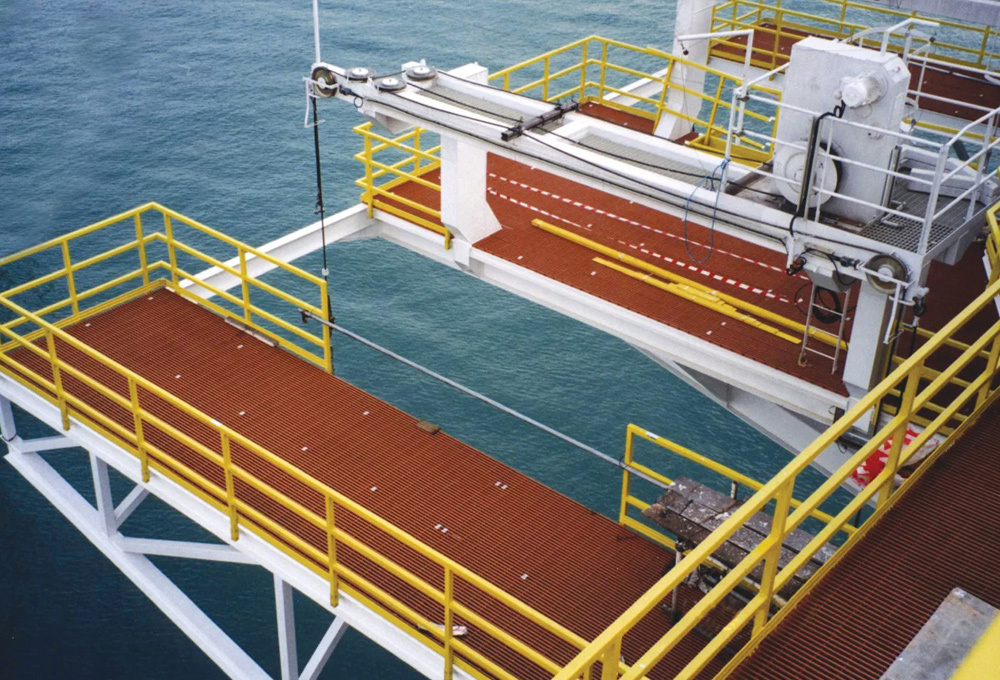
- **Marine applications**: Resistance to saltwater corrosion makes them perfect for coastal constructions.
5. Comparison with Other Pipe Fitting Materials
When evaluating fiberglass hand-layup pipe fittings against other materials, several critical differences emerge:
Fiberglass vs. Metal
While metal fittings offer strength, they are susceptible to corrosion and require regular maintenance. Fiberglass, on the other hand, remains unaffected by corrosion and requires minimal upkeep, making it a more reliable option in many cases.
Fiberglass vs. PVC
PVC fittings are lightweight and cost-effective, but they do not offer the same level of durability and heat resistance as fiberglass. In applications where strength and temperature fluctuations are concerns, fiberglass outperforms PVC.
6. Installation and Maintenance of Fiberglass Pipe Fittings
Proper installation is key to maximizing the benefits of fiberglass hand-layup pipe fittings. Here are essential steps to ensure a successful installation:
1. **Preparation**: Ensure that the work area is clean and free from debris. Proper preparation of the surface is crucial.
2. **Cutting**: Use specialized tools to cut fiberglass fittings to the desired length, avoiding damage.
3. **Joining**: Utilize appropriate adhesives and techniques to join fittings, ensuring tight seals to prevent leaks.
4. **Inspection**: Conduct a thorough inspection post-installation to identify any potential issues.
Maintenance of fiberglass pipe fittings is minimal, primarily entailing regular checks for any visible damage or wear. Given their resistance to corrosion, routine cleaning with mild detergents is often sufficient.
7. Case Studies: Successful Uses of Fiberglass Pipe Fittings
Examining real-world applications can highlight the effectiveness of fiberglass hand-layup pipe fittings:
- **Case Study 1: Wastewater Treatment Plant**
A municipal wastewater treatment facility implemented fiberglass fittings for their corrosion resistance and durability. The fittings showed exceptional performance, leading to a reduction in maintenance costs by 30% over a five-year period.
- **Case Study 2: Chemical Processing Plant**
A chemical processing plant faced severe degradation issues with metal piping. Switching to fiberglass fittings not only resolved the corrosion concerns but also enhanced the overall efficiency of their operations, leading to increased production capacity.
8. Frequently Asked Questions (FAQs)
1. Are fiberglass pipe fittings expensive?
While the upfront cost may be higher than some alternatives, the long-term savings on maintenance and replacements make them cost-effective.
2. How durable are fiberglass fittings?
Fiberglass fittings are highly durable, able to withstand extreme temperatures, pressure, and environmental factors without degrading.
3. Can fiberglass fittings be used in high-temperature applications?
Yes, fiberglass hand-layup pipe fittings are suitable for high-temperature applications, providing excellent thermal insulation.
4. What is the lifespan of fiberglass pipe fittings?
Fiberglass fittings can last for decades, often outliving traditional materials due to their corrosion resistance and durability.
5. How are fiberglass fittings installed?
Installation involves preparing the work area, cutting the fittings, and using appropriate adhesives for a secure fit. Minimal maintenance is required post-installation.
9. Conclusion
In conclusion, fiberglass hand-layup pipe fittings present a multitude of advantages that make them an outstanding choice for the construction industry. Their durability, corrosion resistance, lightweight nature, and cost-effectiveness position them as a superior alternative to traditional materials. As construction practices continue to evolve, the integration of innovative materials such as fiberglass will undoubtedly enhance project outcomes, ensuring longevity and efficiency. Embracing fiberglass fittings not only future-proofs construction endeavors but also sets a standard for quality and performance in the industry.
Perhaps You Also Need:
All
- All
- Product Management
- News
- Introduction
- Enterprise outlets
- FAQ
- Enterprise Video
- Enterprise Atlas
Address
China ● Glass Steel City, Zaoqiang County, Hengshui City, Hebei Province