

How FRP Composite Handrails Enhance Aesthetic Appeal and Safety
Oct 14,2025
How FRP Composite Handrails Enhance Aesthetic Appeal and Safety
Table of Contents
1. Introduction to FRP Composite Handrails
2. Benefits of FRP Composite Handrails
3. The Aesthetic Appeal of FRP Composite Handrails
4. Safety Features of FRP Composite Handrails
5. Applications of FRP Composite Handrails in Construction
6. Installation Process for FRP Composite Handrails
How FRP Composite Handrails Enhance Aesthetic Appeal and Safety
Table of Contents
- 1. Introduction to FRP Composite Handrails
- 2. Benefits of FRP Composite Handrails
- 3. The Aesthetic Appeal of FRP Composite Handrails
- 4. Safety Features of FRP Composite Handrails
- 5. Applications of FRP Composite Handrails in Construction
- 6. Installation Process for FRP Composite Handrails
- 7. Maintenance of FRP Composite Handrails
- 8. Case Studies: Successful Implementation of FRP Handrails
- 9. FAQs about FRP Composite Handrails
- 10. Conclusion
1. Introduction to FRP Composite Handrails
FRP (Fiberglass Reinforced Plastic) composite handrails are redefining safety and aesthetics in the construction industry. Crafted from a unique blend of fiberglass and resin, these handrails offer remarkable strength, durability, and versatility. As urban landscapes evolve, the demand for innovative materials that blend functionality with style is greater than ever. FRP composite handrails meet this demand, making them an ideal choice for both residential and commercial structures.
2. Benefits of FRP Composite Handrails
The rise in popularity of FRP composite handrails can be attributed to numerous benefits that set them apart from traditional materials. Here are some key advantages:
2.1 Durability
FRP composite handrails resist corrosion, rust, and decay, making them suitable for various environments, including coastal areas and chemical plants. Their longevity significantly reduces replacement costs and ensures safety over time.
2.2 Lightweight Construction
Weighing considerably less than metal handrails, FRP composites ease the installation process. This lightweight nature allows for easier handling and transport, reducing labor costs.
2.3 Customization Options
Available in a range of colors, textures, and finishes, FRP composite handrails can be tailored to fit any design requirement. This customization ensures that aesthetic appeal does not take a backseat to functionality.
3. The Aesthetic Appeal of FRP Composite Handrails
Aesthetics play a crucial role in architectural design, and FRP composite handrails deliver on this front exceptionally well.
3.1 Versatile Design Choices
FRP handrails can mimic the appearance of wood, metal, or stone, offering architects and designers flexibility in their projects. Whether aiming for a modern, sleek design or a rustic look, FRP composites provide endless possibilities.
3.2 Enhanced Visual Integration
These handrails seamlessly integrate into various architectural styles, enhancing the overall visual appeal of a space. Their ability to blend with the environment makes them a preferred choice for many developers.
3.3 Color Retention
Unlike traditional materials that may fade over time, FRP composites maintain their color and finish, ensuring that the aesthetic appeal lasts for years without the need for extensive maintenance.
4. Safety Features of FRP Composite Handrails
Safety is paramount in construction, and FRP composite handrails excel in this aspect.
4.1 Slip Resistance
The textured surface of FRP handrails provides excellent grip, reducing the risk of slips and falls. This attribute is particularly beneficial in environments prone to moisture or spills.
4.2 Compliance with Safety Regulations
FRP handrails can be designed and manufactured to comply with local building codes and safety regulations, ensuring they meet the necessary standards for public safety.
4.3 Impact Resistance
The robust construction of FRP composite handrails allows them to withstand significant impacts without compromising their structural integrity, adding an additional layer of safety.
5. Applications of FRP Composite Handrails in Construction
FRP composite handrails are versatile and suitable for various applications in the construction industry. Here are some common uses:
5.1 Residential Properties
Homeowners are increasingly opting for FRP handrails for decks, patios, and staircases, drawn by their durability and aesthetic appeal.
5.2 Commercial Buildings
In commercial settings, these handrails are ideal for office buildings, shopping centers, and public spaces, where both safety and design are crucial.
5.3 Industrial Applications
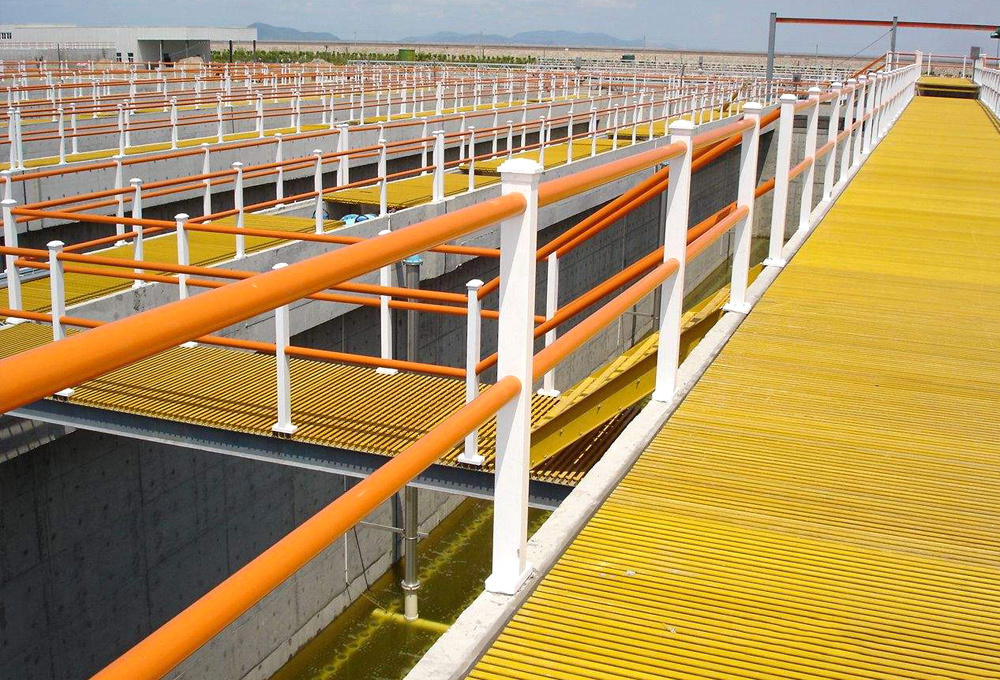
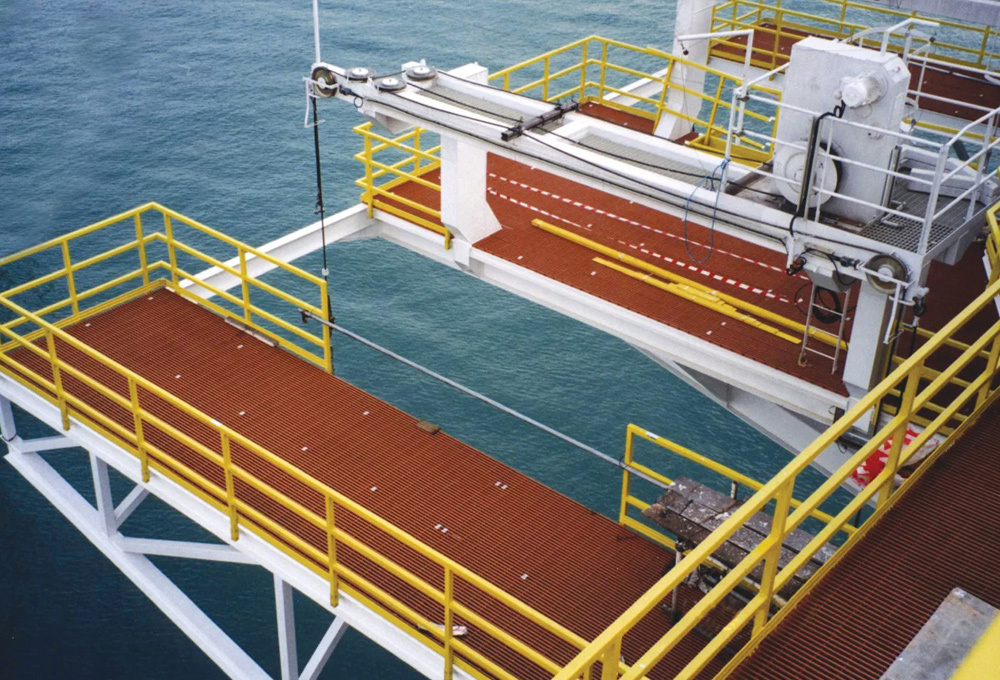
FRP handrails are also widely used in industrial environments, such as chemical plants and wastewater treatment facilities, where resistance to corrosion is essential.
6. Installation Process for FRP Composite Handrails
The installation of FRP composite handrails is straightforward, making them accessible for contractors and builders. Here’s a brief overview of the process:
6.1 Preparation
Before installation, it is vital to ensure that the surface is clean and level. Any existing railings should be removed carefully.
6.2 Assembly
FRP handrails often come in pre-fabricated sections, which simplifies assembly. Connectors and brackets should be used to secure the sections together.
6.3 Securing the Handrails
Using appropriate fasteners, the handrails are securely mounted to the surface. This step requires attention to detail to ensure stability and safety.
6.4 Finishing Touches
Once installed, any necessary finishing touches, such as sealing or painting, can be applied, although many FRP composites require minimal finishing due to their inherent durability.
7. Maintenance of FRP Composite Handrails
One of the significant advantages of FRP composite handrails is their low maintenance requirements.
7.1 Regular Cleaning
Occasional cleaning with mild soap and water is usually sufficient to maintain the appearance and functionality of FRP handrails. Unlike wood, they do not require staining or painting.
7.2 Inspections
Routine inspections should be conducted to check for any damage or wear. Addressing issues early can extend the life of the handrails.
7.3 Replacement Parts
In cases of damage, individual parts can often be replaced without needing to replace the entire system, making repairs economical and efficient.
8. Case Studies: Successful Implementation of FRP Handrails
Several projects have successfully integrated FRP composite handrails, showcasing their advantages in real-world applications.
8.1 Coastal Boardwalk Project
In a recent coastal boardwalk project, FRP handrails provided essential corrosion resistance against saltwater, enhancing safety while maintaining aesthetic appeal.
8.2 Urban Public Park
An urban public park used FRP handrails for its pedestrian walkways. The lightweight nature allowed for easy installation, while the visual design complemented the park's natural beauty.
9. FAQs about FRP Composite Handrails
9.1 What are FRP composite handrails made of?
FRP composite handrails are made of fiberglass reinforced plastic, which combines fiberglass with resin to create a durable and lightweight material.
9.2 How do FRP handrails compare to metal handrails?
FRP handrails are lighter, resist corrosion better, and offer a wider range of design options compared to traditional metal handrails.
9.3 Are FRP handrails safe in wet conditions?
Yes, FRP handrails are designed with slip-resistant surfaces, making them safe for use in wet conditions.
9.4 How long do FRP composite handrails last?
With proper maintenance, FRP handrails can last for decades, significantly longer than traditional materials.
9.5 Can FRP handrails be painted or stained?
While they can be painted, FRP handrails typically maintain their color without the need for paint or stain due to their inherent properties.
10. Conclusion
FRP composite handrails represent a significant advancement in construction materials, effectively combining safety and aesthetic appeal. Their resistance to corrosion, lightweight nature, and customizable designs make them an ideal choice for a variety of applications. As architectural trends evolve, FRP handrails are likely to remain at the forefront, providing practical and stylish solutions for builders, architects, and homeowners alike. By choosing FRP composite handrails, we not only enhance the beauty of our spaces but also ensure safety for all who use them.
Perhaps You Also Need:
All
- All
- Product Management
- News
- Introduction
- Enterprise outlets
- FAQ
- Enterprise Video
- Enterprise Atlas
Address
China ● Glass Steel City, Zaoqiang County, Hengshui City, Hebei Province