

Overcoming Challenges: A Comprehensive Guide for FRP Desulfurization Tower Manufacturers
Nov 13,2025
Understanding the Landscape of FRP Desulfurization Tower Manufacturing
FRP desulfurization towers play a vital role in reducing sulfur dioxide emissions from industrial processes. As environmental regulations become more stringent, the demand for effective desulfurization technologies has surged. However, manufacturers face numerous challenges that can affect production efficiency and product qu
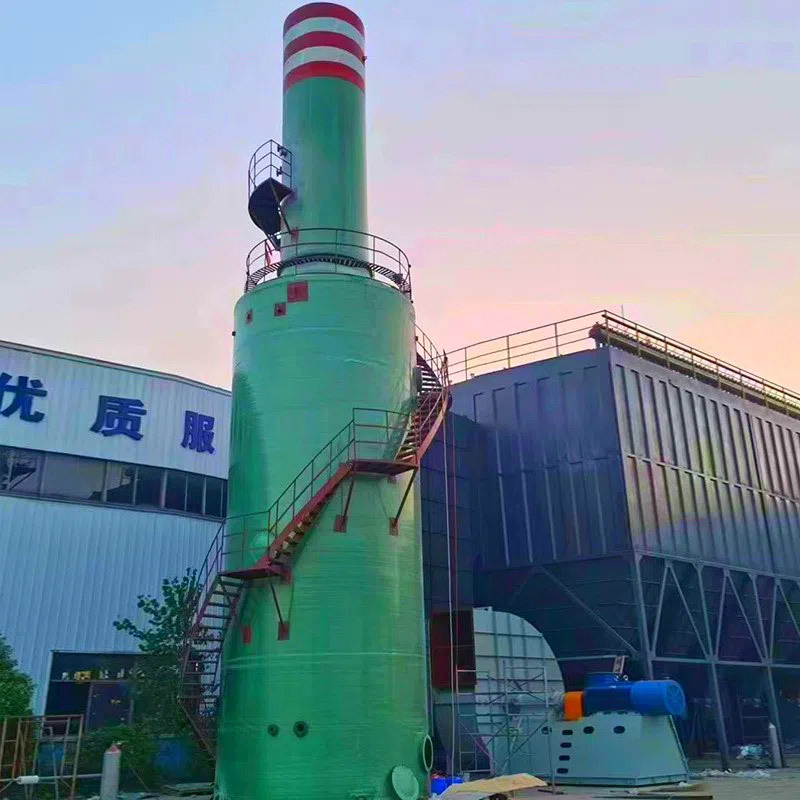
Understanding the Landscape of FRP Desulfurization Tower Manufacturing
FRP desulfurization towers play a vital role in reducing sulfur dioxide emissions from industrial processes. As environmental regulations become more stringent, the demand for effective desulfurization technologies has surged. However, manufacturers face numerous challenges that can affect production efficiency and product quality. This article examines these challenges in detail, providing insights into effective strategies to overcome them.
The Importance of FRP Desulfurization Towers
FRP desulfurization towers utilize advanced materials to efficiently scrub harmful sulfur compounds from industrial emissions. As industries strive to comply with environmental regulations, the need for these towers has grown significantly. Understanding the complexities involved in manufacturing them is critical for maintaining competitiveness in this evolving market.
Key Applications of FRP Desulfurization Towers
FRP desulfurization towers find applications across various sectors, including:
- Power generation
- Oil and gas
- Chemical manufacturing
- Waste-to-energy facilities
These applications highlight the versatility and necessity of effective desulfurization solutions.
Market Trends Influencing FRP Desulfurization Tower Manufacturing
The demand for FRP desulfurization towers is influenced by several market trends:
- Increasing regulatory pressures for emission reductions
- Technological advancements in desulfurization processes
- Growing awareness of environmental sustainability
Manufacturers must stay abreast of these trends to remain relevant in the market.
Fundamental Challenges in Manufacturing FRP Desulfurization Towers
Manufacturing FRP desulfurization towers is fraught with challenges that can hinder productivity and quality. Below are some of the primary concerns manufacturers encounter.
1. Material Selection and Quality Control
The foundation of any high-performance FRP desulfurization tower is the materials used in its construction. Selecting the right resin and reinforcement fibers is crucial. Manufacturers must consider:
- **Chemical resistance**: To withstand corrosive environments.
- **Mechanical properties**: To ensure structural integrity.
- **Thermal stability**: To endure varying temperatures during operation.
Ensuring consistent quality in raw materials is vital for product effectiveness and longevity.
2. Manufacturing Processes and Techniques
The methods used in manufacturing FRP desulfurization towers can significantly affect the final product. Common processes include:
- **Filament winding**: Offers strong and lightweight structures.
- **Hand layup**: Provides flexibility but may result in variability in quality.
- **Resin transfer molding (RTM)**: Enhances material efficiency and consistency.
Each technique has its pros and cons, and manufacturers must choose the best fit based on their operational capabilities.
3. Regulatory Compliance and Environmental Standards
Navigating the landscape of environmental regulations is a significant challenge for manufacturers. Compliance with standards such as:
- **EPA regulations**
- **ISO certifications**
- **Local government mandates**
is essential for legal operation and market acceptance. Manufacturers must invest time and resources to ensure their products meet or exceed these regulatory requirements.
4. Competitive Market Pressures
The FRP desulfurization tower market is competitive, with numerous players vying for market share. Manufacturers must differentiate themselves through:
- **Innovation**: Developing new technologies and processes.
- **Cost-effectiveness**: Streamlining production to lower prices without sacrificing quality.
- **Customer service**: Providing exceptional support and engagement with clients.
Creating a unique value proposition is key to overcoming market pressures.
5. Skilled Labor Shortages
The manufacturing sector often faces challenges related to labor availability. Skilled workers are essential for:
- Operating complex machinery
- Ensuring quality control
- Implementing innovative practices
Investing in workforce training and development becomes critical to address this shortage.
Strategies for Overcoming Manufacturing Challenges
To navigate the various challenges effectively, manufacturers can adopt several strategic approaches.
1. Investing in Research and Development
Allocating resources to R&D can lead to the discovery of new materials and manufacturing methods that enhance product performance and reduce costs. Innovations such as:
- **Advanced composites**
- **Smart manufacturing technologies**
can give manufacturers a competitive edge.
2. Implementing Quality Management Systems
Establishing a robust quality management system (QMS) can help ensure that every product meets the required standards. Key components include:
- **Regular audits**: To assess compliance with internal and external standards.
- **Employee training**: To instill a culture of quality throughout the production process.
- **Customer feedback**: To continuously improve product offerings.
A strong QMS fosters trust with customers and enhances brand reputation.
3. Embracing Digital Transformation
Digital tools and technologies can streamline operations and enhance efficiency. Manufacturers can leverage:
- **Data analytics**: To identify trends and optimize production processes.
- **Automation**: To reduce labor costs and improve precision.
- **Supply chain management software**: To enhance material sourcing and inventory control.
Digital transformation helps manufacturers adapt to changing market demands swiftly.
4. Building Strategic Partnerships
Establishing partnerships with suppliers, research institutions, and other manufacturers can provide access to valuable resources and expertise. Collaborations can lead to:
- **Shared knowledge**: Enhancing innovation and problem-solving.
- **Cost reductions**: Through bulk purchasing or joint ventures.
- **Market expansion**: Increasing reach and competitiveness in new regions.
Strategic partnerships can be a powerful way to navigate industry challenges.
5. Focusing on Sustainability
As environmental awareness grows, manufacturers should prioritize sustainable practices. This includes:
- **Using eco-friendly materials**: To attract environmentally-conscious clients.
- **Implementing energy-efficient processes**: To reduce operational costs.
- **Engaging in community initiatives**: To enhance brand image and goodwill.
Sustainability can be a differentiating factor in a competitive market.
Future of FRP Desulfurization Tower Manufacturing
The future of FRP desulfurization tower manufacturing will likely be shaped by technological advancements, evolving regulations, and changing market demands. Key trends to watch include:
- The incorporation of **smart technologies** for real-time monitoring and maintenance.
- The development of **biodegradable materials** to reduce environmental impact.
- The increasing focus on **circular economy principles** in manufacturing processes.
Staying ahead of these trends will be crucial for manufacturers aiming to thrive in the industry.
FAQs About FRP Desulfurization Towers
1. What is an FRP desulfurization tower used for?
FRP desulfurization towers are primarily used to remove sulfur dioxide from industrial emissions, helping companies comply with environmental regulations.
2. What challenges do manufacturers face in selecting materials for FRP towers?
Manufacturers must consider factors such as chemical resistance, mechanical properties, and thermal stability when selecting materials for FRP towers.
3. How can manufacturers ensure compliance with environmental regulations?
Manufacturers can ensure compliance by staying informed about regulatory changes, investing in quality management systems, and conducting regular audits.
4. What are some innovative manufacturing processes for FRP towers?
Innovative processes include filament winding, resin transfer molding (RTM), and automated layup techniques, which enhance efficiency and product quality.
5. How does digital transformation impact FRP desulfurization tower manufacturing?
Digital transformation enhances efficiency, streamlines operations, and enables better data analysis for decision-making in manufacturing processes.
Conclusion
The challenges faced by FRP desulfurization tower manufacturers are significant but not insurmountable. By focusing on quality, embracing innovation, and prioritizing sustainability, manufacturers can overcome these hurdles and position themselves for success in an increasingly competitive market. As the demand for effective desulfurization solutions continues to grow, those who adapt and innovate will undoubtedly lead the industry into the future.
Previous:
Perhaps You Also Need:
All
- All
- Product Management
- News
- Introduction
- Enterprise outlets
- FAQ
- Enterprise Video
- Enterprise Atlas
Address
China ● Glass Steel City, Zaoqiang County, Hengshui City, Hebei Province