

Enhancing Industrial Emissions Control with FRP Desulfurization Towers
Jan 09,2026
In the realm of industrial emissions control, the Industrial FRP (Fiberglass Reinforced Plastic) desulfurization tower stands out as an essential component, especially in the chemical sector, including rubber processing machinery. These towers are designed to efficiently remove sulfur dioxide (SO2) from exhaust gases, thereby mitigating environmental pollution and aiding compliance with stringent
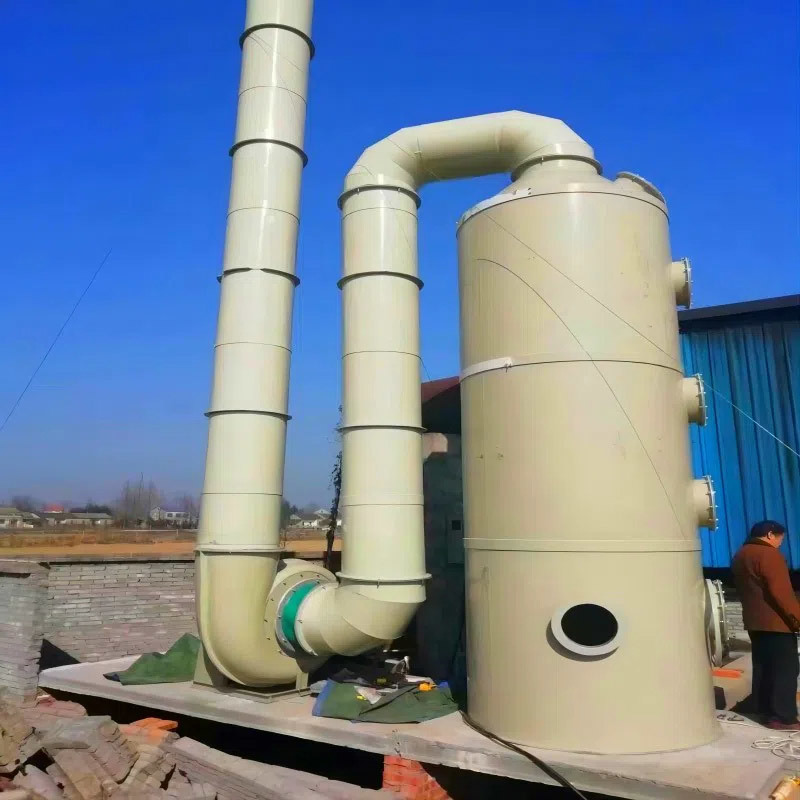
In the realm of industrial emissions control, the Industrial FRP (Fiberglass Reinforced Plastic) desulfurization tower stands out as an essential component, especially in the chemical sector, including rubber processing machinery. These towers are designed to efficiently remove sulfur dioxide (SO2) from exhaust gases, thereby mitigating environmental pollution and aiding compliance with stringent regulatory standards.
The primary function of an Industrial FRP desulfurization tower is to facilitate the chemical reaction that converts sulfur dioxide into less harmful compounds. This is often achieved through a wet scrubbing process, where the exhaust gases are passed through a liquid absorbent solution, typically alkaline in nature. The choice of FRP as a structural material for these towers offers significant advantages, including corrosion resistance, lightweight characteristics, and durability. This is particularly important in environments where chemical exposure is prevalent, as traditional materials may deteriorate quickly, leading to costly maintenance and replacement.
One of the remarkable benefits of using FRP desulfurization towers in industrial applications is their ability to handle high volumes of flue gas while maintaining operational efficiency. The design of these towers allows for enhanced contact between the gas and the absorbent liquid, which improves the overall reaction rates and ensures that sulfur compounds are effectively captured before they can be released into the atmosphere.
Moreover, the integration of advanced technology in the operation of Industrial FRP desulfurization towers has led to improved performance metrics and reduced operational costs. Many modern systems include features such as automated monitoring and control systems that optimize the scrubbing process, ensuring that the chemical reactions are both effective and energy-efficient. This level of automation not only enhances operational reliability but also allows for better data collection and analysis, facilitating continuous improvement initiatives within the facility.
In summary, Industrial FRP desulfurization towers represent a critical advancement in the quest for cleaner industrial processes. Their ability to effectively reduce sulfur emissions sets a benchmark for environmental responsibility in the chemical industry. By understanding the functionality and advantages of these towers, professionals in the rubber processing machinery sector can make informed decisions about emissions control technologies that align with both regulatory compliance and sustainability goals. The ongoing evolution of FRP technology continues to pave the way for innovative solutions that address the challenges of industrial pollution, ensuring a healthier planet for future generations.
The primary function of an Industrial FRP desulfurization tower is to facilitate the chemical reaction that converts sulfur dioxide into less harmful compounds. This is often achieved through a wet scrubbing process, where the exhaust gases are passed through a liquid absorbent solution, typically alkaline in nature. The choice of FRP as a structural material for these towers offers significant advantages, including corrosion resistance, lightweight characteristics, and durability. This is particularly important in environments where chemical exposure is prevalent, as traditional materials may deteriorate quickly, leading to costly maintenance and replacement.
One of the remarkable benefits of using FRP desulfurization towers in industrial applications is their ability to handle high volumes of flue gas while maintaining operational efficiency. The design of these towers allows for enhanced contact between the gas and the absorbent liquid, which improves the overall reaction rates and ensures that sulfur compounds are effectively captured before they can be released into the atmosphere.
Moreover, the integration of advanced technology in the operation of Industrial FRP desulfurization towers has led to improved performance metrics and reduced operational costs. Many modern systems include features such as automated monitoring and control systems that optimize the scrubbing process, ensuring that the chemical reactions are both effective and energy-efficient. This level of automation not only enhances operational reliability but also allows for better data collection and analysis, facilitating continuous improvement initiatives within the facility.
In summary, Industrial FRP desulfurization towers represent a critical advancement in the quest for cleaner industrial processes. Their ability to effectively reduce sulfur emissions sets a benchmark for environmental responsibility in the chemical industry. By understanding the functionality and advantages of these towers, professionals in the rubber processing machinery sector can make informed decisions about emissions control technologies that align with both regulatory compliance and sustainability goals. The ongoing evolution of FRP technology continues to pave the way for innovative solutions that address the challenges of industrial pollution, ensuring a healthier planet for future generations.
Perhaps You Also Need:
All
- All
- Product Management
- News
- Introduction
- Enterprise outlets
- FAQ
- Enterprise Video
- Enterprise Atlas
Address
China ● Glass Steel City, Zaoqiang County, Hengshui City, Hebei Province