

What Makes Fiberglass Hand-Layup Pipe Fittings a Smart Choice?
Jan 14,2026
What Makes Fiberglass Hand-Layup Pipe Fittings a Smart Choice?
Table of Contents
1. Introduction to Fiberglass Hand-Layup Pipe Fittings
2. Key Advantages of Fiberglass Hand-Layup Pipe Fittings
2.1 Exceptional Durability
2.2 Lightweight Design
2.3 Cost-Effectiveness
2.4 Corrosion Resistance
2.5 Thermal Insulation
3. Applications of Fiberglass Hand-Layu
What Makes Fiberglass Hand-Layup Pipe Fittings a Smart Choice?
Table of Contents
- 1. Introduction to Fiberglass Hand-Layup Pipe Fittings
- 2. Key Advantages of Fiberglass Hand-Layup Pipe Fittings
- 2.1 Exceptional Durability
- 2.2 Lightweight Design
- 2.3 Cost-Effectiveness
- 2.4 Corrosion Resistance
- 2.5 Thermal Insulation
- 3. Applications of Fiberglass Hand-Layup Pipe Fittings
- 4. The Installation Process
- 5. Maintenance and Care
- 6. Comparing Fiberglass with Other Materials
- 7. The Future of Fiberglass Hand-Layup Pipe Fittings
- 8. FAQs About Fiberglass Hand-Layup Pipe Fittings
- 9. Conclusion
1. Introduction to Fiberglass Hand-Layup Pipe Fittings
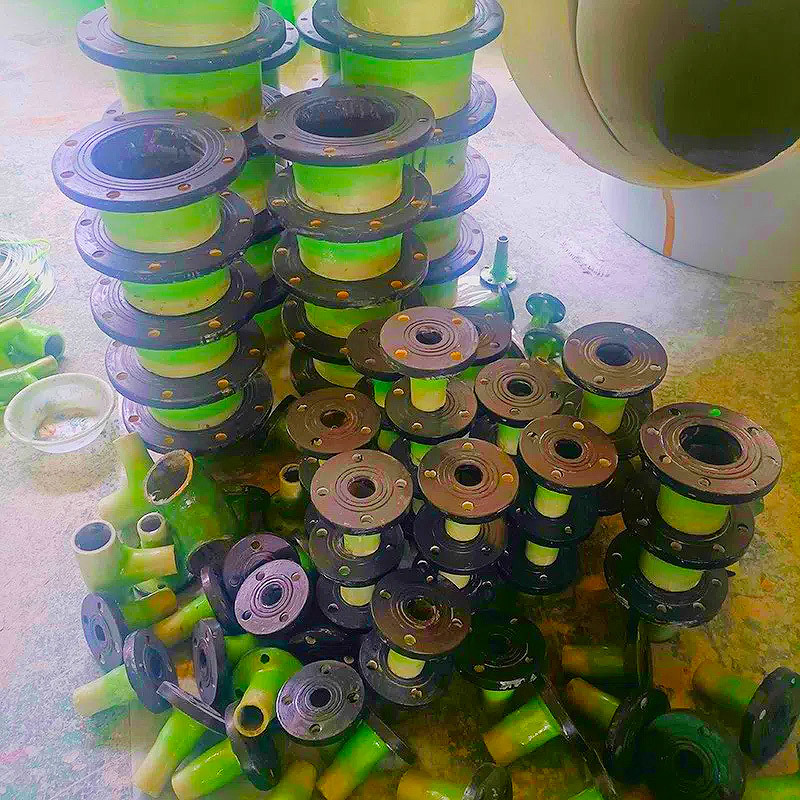
Fiberglass hand-layup pipe fittings have become a popular choice in various industries due to their unique properties that outperform traditional materials. These fittings are manufactured through a process that involves laying multiple layers of fiberglass matting, resin, and hardener, which results in a strong, lightweight, and durable product. This article will delve into the reasons why fiberglass hand-layup pipe fittings are considered a smart choice for construction and industrial applications.
2. Key Advantages of Fiberglass Hand-Layup Pipe Fittings
Understanding the advantages of fiberglass hand-layup pipe fittings can help in making informed decisions for your projects. Here are some key benefits:
2.1 Exceptional Durability
Fiberglass hand-layup pipe fittings are known for their remarkable durability. Unlike traditional materials such as metal, fiberglass does not rust or corrode, making it an ideal choice for environments exposed to harsh chemicals and moisture. Additionally, the layering technique used in manufacturing these fittings enhances their strength, allowing them to withstand significant pressure and stress without compromising integrity.
2.2 Lightweight Design
One of the standout features of fiberglass hand-layup pipe fittings is their lightweight design. This characteristic not only simplifies transportation but also makes installation much easier compared to heavier materials. The reduced weight contributes to lower shipping costs and minimizes the physical strain on workers during installation, enhancing overall efficiency on job sites.
2.3 Cost-Effectiveness
While the initial cost of fiberglass fittings may be higher than that of some traditional materials, the long-term cost savings are significant. Their durability leads to fewer replacements and repairs over time, resulting in reduced lifecycle costs. Furthermore, the lightweight nature of these fittings can lead to savings in labor and shipping expenses.
2.4 Corrosion Resistance
Fiberglass hand-layup pipe fittings are inherently resistant to corrosion caused by chemicals, moisture, and environmental factors. This resistance ensures that the fittings maintain their structural integrity and performance over time, even in aggressive environments, reducing the need for frequent replacements and maintenance.
2.5 Thermal Insulation
Another critical advantage of fiberglass fittings is their excellent thermal insulation properties. This feature is particularly beneficial in applications where temperature control is essential. Fiberglass fittings do not conduct heat as effectively as metals, which helps maintain the desired temperature of the fluids within the pipes, leading to energy savings and improved process efficiency.
3. Applications of Fiberglass Hand-Layup Pipe Fittings
Fiberglass hand-layup pipe fittings are versatile and can be used across various industries, including:
- **Chemical Processing**: Due to their corrosion resistance, these fittings are ideal for transporting aggressive chemicals safely.
- **Water Treatment**: They are suitable for both potable and wastewater treatment applications, ensuring longevity and reliability.
- **Oil and Gas**: The durability and lightweight nature make them perfect for applications in the oil and gas sector, where extreme conditions are common.
- **Food and Beverage**: Fiberglass fittings can meet hygiene standards, making them a safe choice for food processing.
- **Construction**: They are increasingly used in construction projects for plumbing and drainage systems due to their various advantages.
4. The Installation Process
Installing fiberglass hand-layup pipe fittings requires careful preparation and adherence to proper techniques:
1. **Preparation**: Ensure that the surfaces are clean and free of debris before starting the installation.
2. **Cutting and Fitting**: Use appropriate tools to cut the fiberglass to the desired lengths and fit them into the existing piping system.
3. **Joining**: Apply the recommended adhesive or resin to bond the fittings securely. Follow the manufacturer's instructions for curing times.
4. **Testing**: Conduct pressure tests to verify the integrity of the installation before finalizing the project.
By following these steps, you can ensure that your fiberglass fittings are installed correctly and perform optimally.
5. Maintenance and Care
Maintaining fiberglass hand-layup pipe fittings is relatively straightforward. Regular inspections are essential to detect any signs of wear or damage. Cleaning should be done with mild detergents and water to avoid damaging the surface. Avoid using abrasive materials that can scratch or weaken the fiberglass. Regular maintenance will prolong the life of the fittings and ensure continued performance.
6. Comparing Fiberglass with Other Materials
When comparing fiberglass hand-layup pipe fittings with other materials, several factors come into play:
- **Cost**: While fiberglass may have a higher upfront cost, its longevity and reduced maintenance make it more cost-effective in the long run.
- **Weight**: Fiberglass fittings are significantly lighter than metal counterparts, leading to easier handling and installation.
- **Durability**: In terms of corrosion resistance and overall durability, fiberglass outperforms many traditional materials, especially in harsh environments.
By evaluating these factors, it becomes clear why fiberglass hand-layup pipe fittings are often the preferred choice for many applications.
7. The Future of Fiberglass Hand-Layup Pipe Fittings
As technology advances, the manufacturing processes and materials used for fiberglass hand-layup pipe fittings continue to improve. Innovations in resin formulations and production techniques promise enhanced durability, improved performance, and better environmental sustainability. As industries seek more efficient and cost-effective solutions, fiberglass fittings are poised to become even more prevalent.
8. FAQs About Fiberglass Hand-Layup Pipe Fittings
What are fiberglass hand-layup pipe fittings made of?
Fiberglass hand-layup pipe fittings are primarily made of fiberglass matting combined with resin and hardener, creating a strong and lightweight product.
Are fiberglass pipe fittings suitable for drinking water?
Yes, fiberglass pipe fittings can be manufactured to meet safety standards for potable water applications, ensuring they are safe for drinking.
How do I install fiberglass hand-layup pipe fittings?
Installation involves preparing the surfaces, cutting the fittings to length, joining them with adhesive, and conducting pressure tests to ensure integrity.
What maintenance do fiberglass fittings require?
Routine inspections and mild cleaning with non-abrasive materials are recommended to maintain the fittings' integrity and performance.
How do fiberglass fittings compare to PVC?
While both materials have their advantages, fiberglass fittings offer superior durability and corrosion resistance compared to PVC, making them ideal for harsher environments.
9. Conclusion
Fiberglass hand-layup pipe fittings represent a smart choice for a wide range of applications due to their exceptional durability, lightweight design, cost-effectiveness, and corrosion resistance. Their versatility across various industries, coupled with the ease of installation and minimal maintenance requirements, makes them a preferred option for construction and industrial projects. As advancements in technology continue to improve these products, their role in modern infrastructure is likely to expand, solidifying their place as a go-to solution in the piping market. Adopting fiberglass hand-layup pipe fittings can lead to significant long-term benefits, making them a wise investment for any project.
Perhaps You Also Need:
All
- All
- Product Management
- News
- Introduction
- Enterprise outlets
- FAQ
- Enterprise Video
- Enterprise Atlas
Mobile Phone
Address
China ● Glass Steel City, Zaoqiang County, Hengshui City, Hebei Province