

Understanding the Advantages of Fiberglass Pultruded Angle Bars for Construction
Jan 19,2026
Fiberglass pultruded angle bars have gained prominence in the construction and decoration materials sector, particularly for their unique properties that suit a wide range of applications. As a supplier in this niche, understanding the advantages and characteristics of these materials can help you make informed decisions when integrating them into your projects.
One of the most significant attribu

Fiberglass pultruded angle bars have gained prominence in the construction and decoration materials sector, particularly for their unique properties that suit a wide range of applications. As a supplier in this niche, understanding the advantages and characteristics of these materials can help you make informed decisions when integrating them into your projects.
One of the most significant attributes of fiberglass pultruded angle bars is their exceptional strength-to-weight ratio. Unlike traditional steel, fiberglass is remarkably lightweight, making it easier to handle and install. This factor not only increases efficiency on construction sites but also reduces transportation costs. The reduced weight does not compromise strength; in fact, fiberglass angle bars can withstand significant loads and stresses, making them suitable for structural applications.
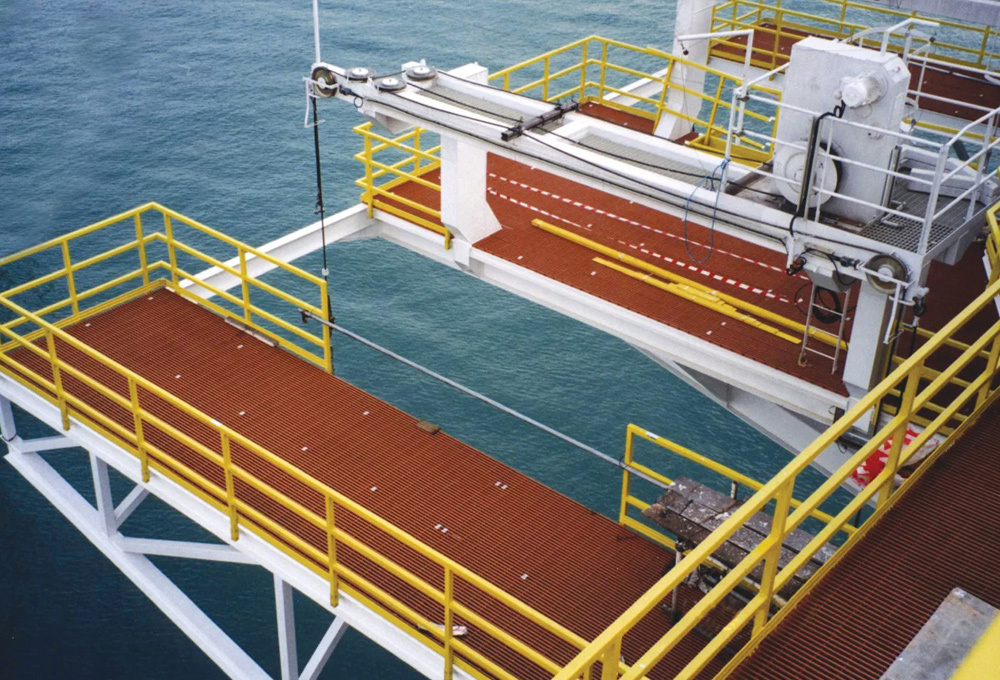
Another critical advantage of fiberglass pultruded angle bars is their resistance to corrosion and environmental degradation. Unlike metal materials that can rust and deteriorate over time when exposed to moisture and harsh chemicals, fiberglass maintains its structural integrity in challenging environments. This property is especially valuable in construction applications near water bodies or in chemical processing plants where exposure to corrosive substances is common.
Fiberglass pultruded angle bars also exhibit excellent thermal and electrical insulation properties. This characteristic makes them ideal for use in environments where temperature fluctuations and electrical conductivity are concerns. Choosing these materials can enhance the safety and efficiency of installations, especially in industries like electrical engineering or HVAC systems.
Furthermore, the versatility of fiberglass pultruded angle bars cannot be overstated. They can be custom-manufactured in various sizes, shapes, and colors to meet specific project requirements. This flexibility allows architects and engineers to explore innovative designs without compromising on material properties. Additionally, the smooth surface finish of fiberglass reduces the need for extensive surface treatment, thus saving time and labor costs during construction.
Sustainability is another compelling reason to consider fiberglass pultruded angle bars. Many manufacturers utilize recycled materials in the production of fiberglass composites, contributing to environmentally friendly building practices. As the construction industry increasingly prioritizes sustainable materials, fiberglass offers a forward-thinking option that aligns with eco-friendly objectives.
In conclusion, fiberglass pultruded angle bars present numerous advantages for construction applications, from their durability and lightweight nature to their resistance to corrosion and customization potential. As a supplier, understanding these benefits can enhance your ability to meet client needs and stand out in a competitive market. Integrating these materials into your projects can lead to innovative constructions that are not only functional but also sustainable.
One of the most significant attributes of fiberglass pultruded angle bars is their exceptional strength-to-weight ratio. Unlike traditional steel, fiberglass is remarkably lightweight, making it easier to handle and install. This factor not only increases efficiency on construction sites but also reduces transportation costs. The reduced weight does not compromise strength; in fact, fiberglass angle bars can withstand significant loads and stresses, making them suitable for structural applications.
Another critical advantage of fiberglass pultruded angle bars is their resistance to corrosion and environmental degradation. Unlike metal materials that can rust and deteriorate over time when exposed to moisture and harsh chemicals, fiberglass maintains its structural integrity in challenging environments. This property is especially valuable in construction applications near water bodies or in chemical processing plants where exposure to corrosive substances is common.
Fiberglass pultruded angle bars also exhibit excellent thermal and electrical insulation properties. This characteristic makes them ideal for use in environments where temperature fluctuations and electrical conductivity are concerns. Choosing these materials can enhance the safety and efficiency of installations, especially in industries like electrical engineering or HVAC systems.
Furthermore, the versatility of fiberglass pultruded angle bars cannot be overstated. They can be custom-manufactured in various sizes, shapes, and colors to meet specific project requirements. This flexibility allows architects and engineers to explore innovative designs without compromising on material properties. Additionally, the smooth surface finish of fiberglass reduces the need for extensive surface treatment, thus saving time and labor costs during construction.
Sustainability is another compelling reason to consider fiberglass pultruded angle bars. Many manufacturers utilize recycled materials in the production of fiberglass composites, contributing to environmentally friendly building practices. As the construction industry increasingly prioritizes sustainable materials, fiberglass offers a forward-thinking option that aligns with eco-friendly objectives.
In conclusion, fiberglass pultruded angle bars present numerous advantages for construction applications, from their durability and lightweight nature to their resistance to corrosion and customization potential. As a supplier, understanding these benefits can enhance your ability to meet client needs and stand out in a competitive market. Integrating these materials into your projects can lead to innovative constructions that are not only functional but also sustainable.
Perhaps You Also Need:
All
- All
- Product Management
- News
- Introduction
- Enterprise outlets
- FAQ
- Enterprise Video
- Enterprise Atlas
Address
China ● Glass Steel City, Zaoqiang County, Hengshui City, Hebei Province