

Designing with FRP Composite Handrails: Essential Tips for Architects
Jan 24,2026
Designing with FRP Composite Handrails: Essential Tips for Architects
Table of Contents
1. Introduction to FRP Composite Handrails
2. Benefits of FRP Composite Handrails in Architecture
3. Key Design Considerations for Architects
3.1 Aesthetic Flexibility
3.2 Durability and Maintenance
3.3 Safety Standards Compliance
4. Integrating FRP Handrails into Various Architectural Styles
Designing with FRP Composite Handrails: Essential Tips for Architects
Table of Contents
1. Introduction to FRP Composite Handrails
2. Benefits of FRP Composite Handrails in Architecture
3. Key Design Considerations for Architects
3.1 Aesthetic Flexibility
3.2 Durability and Maintenance
3.3 Safety Standards Compliance
4. Integrating FRP Handrails into Various Architectural Styles
4.1 Modern and Minimalist Designs
4.2 Traditional and Classic Architecture
4.3 Industrial and Urban Spaces
5. Practical Applications of FRP Composite Handrails
6. Installation Tips for FRP Handrails
7. Maintenance and Care for Longevity
8. Frequently Asked Questions (FAQs)
9. Conclusion
1. Introduction to FRP Composite Handrails
Fiber Reinforced Polymer (FRP) composite handrails have become a sought-after choice among architects and designers for their exceptional performance and versatility. Composed of a polymer matrix reinforced with fibers (commonly glass or carbon), FRP handrails offer a lightweight yet robust alternative to traditional materials such as wood and metal. As we delve into the intricacies of designing with FRP composite handrails, we will explore the benefits, design considerations, and practical applications that make them an indispensable resource in modern architecture.
2. Benefits of FRP Composite Handrails in Architecture
The adoption of FRP composite handrails in architectural projects offers a myriad of advantages. Understanding these benefits can guide architects in making informed choices that enhance both the functionality and aesthetics of their designs.
2.1 Exceptional Durability
FRP composite handrails are renowned for their **remarkable strength** and resistance to environmental factors. Unlike wood, which can rot, or metal, which may corrode, FRP is impervious to moisture, UV rays, and chemical exposure. This durability translates into a longer lifespan, reducing the need for frequent replacements, thereby lowering long-term costs.
2.2 Lightweight and Easy to Install
One of the standout characteristics of FRP is its lightweight nature. This attribute simplifies installation, reduces transport costs, and minimizes structural load requirements. Architect-designed structures can benefit from this feature, allowing for more **creative and flexible designs** without compromising safety.
2.3 Design Versatility
FRP can be molded into various shapes and finishes, offering architects extensive **design flexibility**. Whether the goal is to achieve sleek contemporary lines or intricate traditional patterns, FRP handrails can be customized to fit any architectural vision.
2.4 Low Maintenance Requirements
The maintenance of FRP composite handrails is considerably lower compared to traditional materials. They do not require painting, staining, or sealing, thus saving time and resources over the lifespan of the installation.
3. Key Design Considerations for Architects
When integrating FRP composite handrails into architectural designs, several critical factors must be considered to ensure optimal performance and visual appeal.
3.1 Aesthetic Flexibility
The aesthetic flexibility of FRP composite handrails allows architects to integrate these elements seamlessly into a variety of architectural styles. Utilizing different colors, textures, and finishes can create a harmonious blend with the surrounding environment. Architects can choose from a matte finish for a subtle look or a glossy finish for a modern aesthetic.
3.2 Durability and Maintenance
While FRP is inherently strong, it’s essential to consider the location and environmental conditions of the installation. In coastal areas, for instance, opting for UV-stabilized composites is wise to prevent fading and degradation. Architects should also ensure that the chosen FRP products comply with local building codes and safety standards, guaranteeing that they will stand the test of time in various conditions.
3.3 Safety Standards Compliance
Safety is paramount in any architectural design, particularly for handrails, which serve a crucial function in preventing falls. Architects should familiarize themselves with local and international safety standards, such as the ADA (Americans with Disabilities Act) guidelines, to ensure that the design meets accessibility requirements.
4. Integrating FRP Handrails into Various Architectural Styles
FRP composite handrails can complement a wide range of architectural styles, enhancing both form and function. Understanding how to integrate them effectively can elevate the overall design of a building.
4.1 Modern and Minimalist Designs
In modern and minimalist architectures, simplicity is key. FRP handrails can be designed with clean lines and subtle finishes that emphasize the building’s sleek aesthetic. Utilizing transparent or translucent FRP can create a sense of openness while maintaining safety.
4.2 Traditional and Classic Architecture
For projects rooted in traditional or classic styles, FRP can mimic the appearance of wood or wrought iron. By choosing classic profiles and ornate details, FRP handrails can uphold the integrity of time-honored designs while benefiting from modern material technology.
4.3 Industrial and Urban Spaces
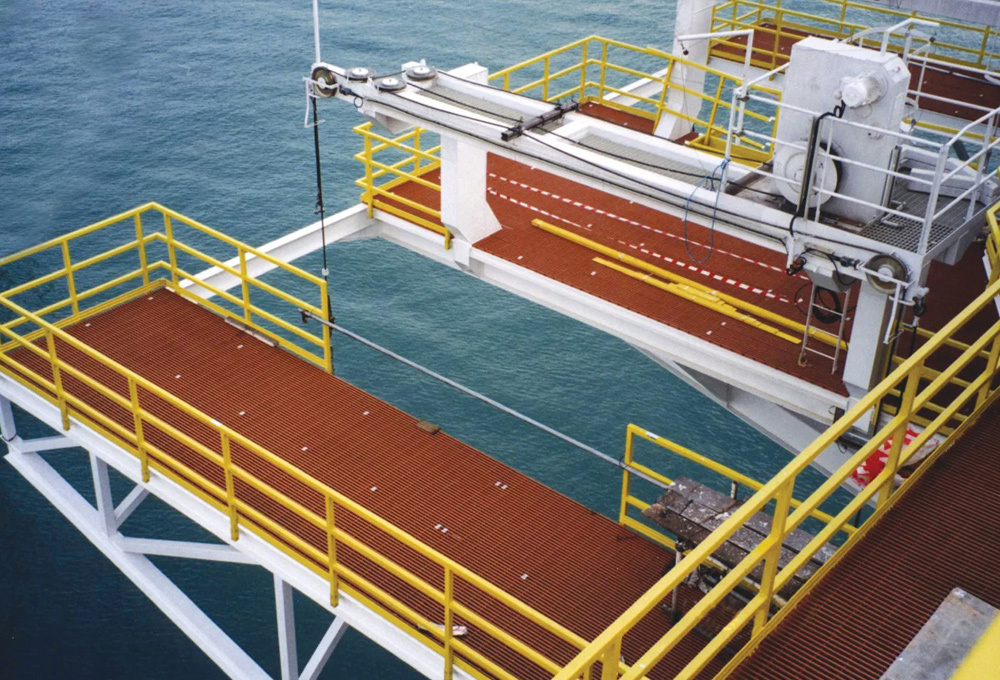
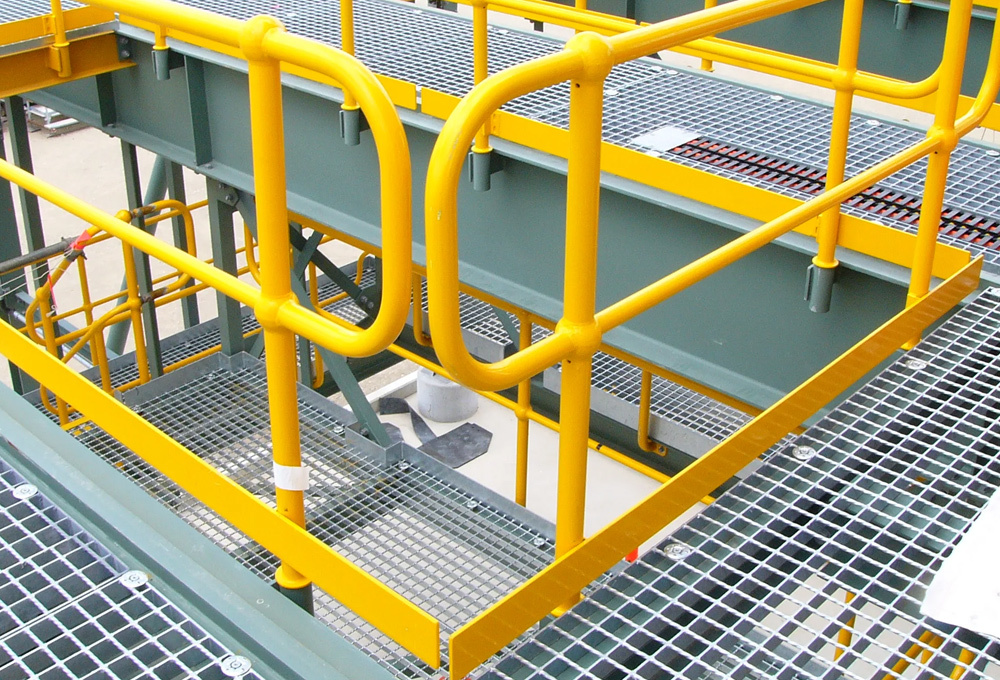
In industrial settings, where durability and functionality are prioritized, FRP handrails can provide an ideal solution. Their robust construction resists impact and wear while contributing to the urban aesthetic, particularly when combined with metal or concrete elements.
5. Practical Applications of FRP Composite Handrails
FRP composite handrails have diverse applications across various sectors, from commercial spaces to residential developments. Here are some practical uses:
5.1 Public Spaces
In parks, recreational areas, and public transportation hubs, FRP handrails can ensure safety while enhancing the visual appeal of the environment. Their resistance to weathering makes them a reliable choice for outdoor settings.
5.2 Commercial Buildings
In commercial architecture, FRP handrails can guide visitors safely through complex layouts. Their aesthetic versatility allows for creative branding opportunities, integrating colors and designs that reflect the company’s identity.
5.3 Residential Applications
For residential projects, FRP handrails can add a modern touch to staircases, balconies, and terraces. Homeowners appreciate their low maintenance and durability, ensuring that the investment lasts for years.
6. Installation Tips for FRP Handrails
Proper installation of FRP composite handrails is essential for safety and performance. Here are some key tips to consider:
6.1 Prepare the Site
Ensure that the installation site is clean, dry, and free from debris. Proper preparation helps guarantee that the FRP handrails adhere securely and function correctly.
6.2 Follow Manufacturer Guidelines
Adhering to the manufacturer’s installation guidelines is crucial. These guidelines provide specifications on drilling, mounting techniques, and fastener requirements.
6.3 Conduct Regular Inspections
After installation, regular inspections are recommended to ensure the handrails remain securely in place and free from damage. This proactive approach helps maintain safety standards throughout their lifespan.
7. Maintenance and Care for Longevity
While FRP handrails require less maintenance than traditional materials, some care is still necessary to ensure longevity. Regular cleaning with mild soap and water can help maintain their appearance. Avoid using harsh chemicals or abrasive materials that could damage the surface.
8. Frequently Asked Questions (FAQs)
8.1 What is FRP, and why are composite handrails made from it?
FRP stands for Fiber Reinforced Polymer, a strong and lightweight material made from a polymer matrix reinforced with fibers. It is used for handrails due to its durability, resistance to environmental factors, and design flexibility.
8.2 Are FRP composite handrails safe for outdoor use?
Yes, FRP composite handrails are designed to withstand outdoor conditions. They are resistant to moisture, UV rays, and corrosion, making them an excellent choice for outdoor applications.
8.3 How do I choose the right finish for FRP handrails?
Choosing the right finish depends on the desired aesthetic and the building’s overall design. Consider matte finishes for a subtle look or glossy finishes for a modern appeal.
8.4 Can FRP handrails be painted?
While FRP surfaces can be painted, it’s essential to use paints specifically formulated for plastics. This ensures proper adhesion and maintains the integrity of the material.
8.5 What are the cost considerations for FRP handrails?
While the initial cost of FRP handrails may be higher than traditional materials, their longevity and low maintenance can result in lower lifetime costs, making them a cost-effective choice in the long run.
9. Conclusion
Designing with FRP composite handrails presents architects with a unique opportunity to enhance both safety and aesthetics in their projects. The combination of durability, low maintenance, and design flexibility makes FRP an invaluable material in modern architecture. By understanding the various applications, installation techniques, and maintenance requirements, architects can take full advantage of this innovative material. Adopting FRP handrails not only elevates the design quality but also ensures compliance with safety standards, ultimately contributing to the creation of safer and more beautiful built environments.
Perhaps You Also Need:
All
- All
- Product Management
- News
- Introduction
- Enterprise outlets
- FAQ
- Enterprise Video
- Enterprise Atlas
Mobile Phone
Address
China ● Glass Steel City, Zaoqiang County, Hengshui City, Hebei Province