

Integrating FRP Desulfurization Towers with Existing Systems: A Comprehensive Guide
Apr 15,2026
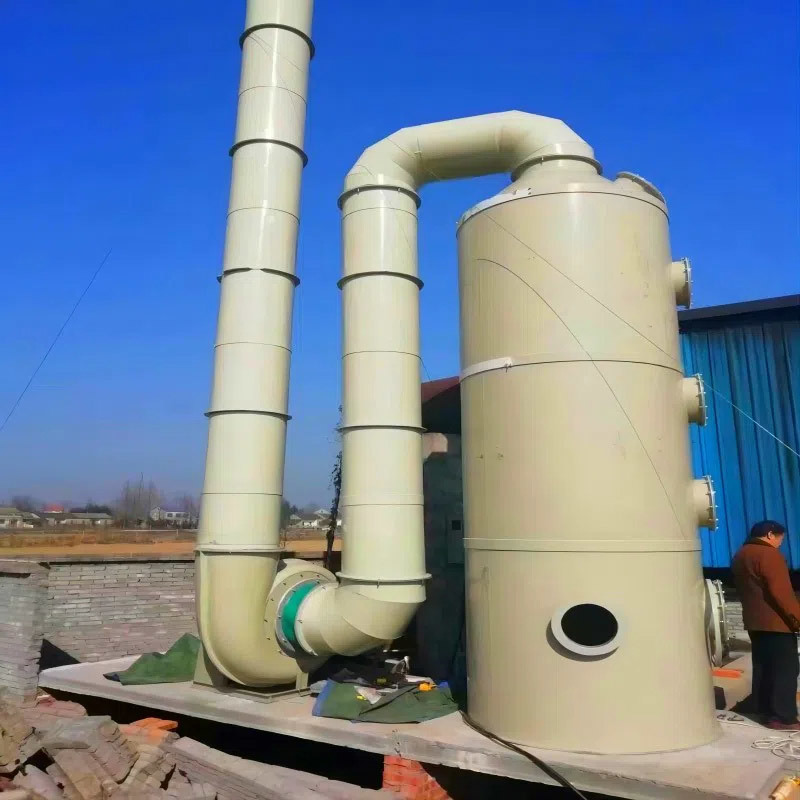
Integrating FRP Desulfurization Towers with Existing Systems: A Comprehensive Guide
Table of Contents
- 1. Introduction to FRP Desulfurization Towers
- 2. Benefits of Using FRP Desulfurization Towers
- 3. Key Design Considerations for Integration
- 4. Methodologies for Integrating FRP Towers with Existing Systems
- 5. Common Challenges in Integration
- 6. Maintenance and Operational Efficiency
- 7. Case Studies: Successful Integrations
- 8. Future Trends in Desulfurization Technologies
- 9. Conclusion
- 10. FAQs
1. Introduction to FRP Desulfurization Towers
As industries increasingly focus on sustainable practices, the need for effective desulfurization solutions has become paramount. FRP desulfurization towers stand out as a robust option due to their superior corrosion resistance, lightweight nature, and cost-effectiveness. These towers play a critical role in reducing sulfur dioxide (SO2) emissions, thus aiding facilities in complying with stringent environmental regulations.
2. Benefits of Using FRP Desulfurization Towers
The advantages of integrating FRP desulfurization towers into existing systems are numerous:
- Enhanced Durability: FRP materials withstand harsh chemical environments, ensuring longevity and reducing replacement costs.
- Reduced Weight: The lightweight nature of FRP towers simplifies installation and minimizes structural load requirements.
- Cost Efficiency: Lower initial costs and reduced maintenance expenditures make FRP towers an economically viable option.
- Environmental Compliance: Efficient SO2 removal helps companies meet regulatory standards and avoid penalties.
3. Key Design Considerations for Integration
Successful integration of FRP desulfurization towers requires careful attention to several design factors:
3.1 System Compatibility
Assessing the compatibility of the FRP tower with existing equipment is crucial. Factors such as treatment capacity, chemical resistance, and operational temperatures must align to ensure seamless integration.
3.2 Space Constraints
Spatial limitations can influence the size and arrangement of the FRP tower. A thorough site assessment will determine the optimal placement, ensuring efficient operation without compromising the existing infrastructure.
3.3 Flow Dynamics
Understanding the flow dynamics within the desulfurization system is vital. Engineers must analyze gas flow rates and pressure drops to optimize tower design and ensure maximum SO2 absorption.
4. Methodologies for Integrating FRP Towers with Existing Systems
Integrating FRP desulfurization towers involves various methodologies:
4.1 Retrofitting Existing Systems
Retrofitting involves modifying current systems to accommodate FRP towers. This process may include replacing existing scrubbers or adding the FRP tower as an additional component.
4.2 Parallel Configuration
In a parallel configuration, the FRP tower operates alongside existing equipment. This approach allows for gradual integration while maintaining operational efficiency during the transition phase.
4.3 Modular Design Implementation
Adopting a modular design facilitates easier integration. By implementing prefabricated sections of the FRP tower, facilities can streamline the installation process and reduce downtime.
5. Common Challenges in Integration
While integrating FRP desulfurization towers presents numerous advantages, several challenges must be addressed:
5.1 Technical Limitations
Technical constraints, including material limitations and design standards, may hinder integration efforts. Collaborating with experienced engineers can help navigate these challenges effectively.
5.2 Regulatory Compliance
Ensuring compliance with local and national environmental regulations is critical. An in-depth understanding of regulatory requirements will guide the design and operational parameters of the FRP tower.
5.3 Financial Investment
Although FRP towers provide long-term savings, the initial investment can be significant. A comprehensive cost-benefit analysis should be conducted to justify the expenditure.
6. Maintenance and Operational Efficiency
To maximize the benefits of FRP desulfurization towers, a robust maintenance plan is essential:
6.1 Routine Inspections
Regular inspections help identify potential issues early, preventing costly downtime. Establishing a routine maintenance schedule ensures optimal operational efficiency.
6.2 Performance Monitoring
Continuous monitoring of SO2 removal efficiency is vital. Implementing real-time data collection systems can facilitate timely adjustments to operational parameters.
6.3 Staff Training
Training personnel on the specific operational requirements of FRP desulfurization towers is imperative. A knowledgeable team can effectively manage the system and address challenges as they arise.
7. Case Studies: Successful Integrations
Examining real-world examples of successful FRP tower integrations can provide valuable insights:
7.1 Case Study 1: Chemical Manufacturing Facility
A chemical manufacturing facility successfully integrated an FRP desulfurization tower to replace an outdated system, resulting in a 30% increase in SO2 removal efficiency.
7.2 Case Study 2: Power Generation Plant
A power generation plant adopted a parallel configuration for their FRP tower, allowing them to maintain operations during the transition while achieving compliance with the latest emission standards.
8. Future Trends in Desulfurization Technologies
The field of desulfurization is evolving rapidly, with several emerging trends:
8.1 Advanced Materials
Research into new materials for FRP towers promises enhanced performance and efficiency, potentially reducing operational costs further.
8.2 Automation and AI
Incorporating automation and AI into desulfurization processes can optimize operational efficiency and enhance real-time monitoring capabilities.
8.3 Sustainable Practices
As sustainability becomes a focal point for industries, the adoption of green technologies in desulfurization will likely expand, promoting eco-friendly practices across sectors.
9. Conclusion
Integrating FRP desulfurization towers with existing systems offers numerous benefits, including improved efficiency, reduced emissions, and enhanced compliance with environmental regulations. By understanding key design considerations, addressing common challenges, and adopting effective methodologies, facilities can successfully implement this technology. As industries continue to prioritize sustainability, investing in effective desulfurization solutions will not only benefit the environment but also enhance operational effectiveness and cost-efficiency.
10. FAQs
10.1 What are FRP desulfurization towers?
FRP desulfurization towers are structures made from fiberglass reinforced plastic used to remove sulfur dioxide from industrial emissions, enhancing environmental compliance.
10.2 How do FRP towers compare to traditional materials?
FRP materials offer superior corrosion resistance and lower weight compared to traditional materials, making them an ideal choice for desulfurization applications.
10.3 What is the cost of integrating FRP towers?
The cost varies based on several factors, including design complexity, existing system modifications, and specific operational requirements. A detailed cost-benefit analysis is recommended.
10.4 How often should FRP towers be maintained?
Routine inspections should be conducted at least bi-annually, with performance monitoring in place to ensure optimal operational efficiency.
10.5 Can FRP towers be retrofitted to existing systems?
Yes, FRP towers can often be retrofitted to existing systems, provided that compatibility and design considerations are adequately addressed.
Previous:
Perhaps You Also Need:
- All
- Product Management
- News
- Introduction
- Enterprise outlets
- FAQ
- Enterprise Video
- Enterprise Atlas
Address
China ● Glass Steel City, Zaoqiang County, Hengshui City, Hebei Province