

Understanding Pultruded Fiberglass Structural Profiles: A Versatile Solution for Modern Construction
May 10,2026
Pultruded fiberglass structural profiles are advanced composite materials that have gained traction in the construction and architectural sectors due to their exceptional properties and versatile applications. These profiles are manufactured through a continuous pultrusion process, where fiberglass reinforcement is combined with a resin matrix, resulting in a lightweight, high-strength product tha
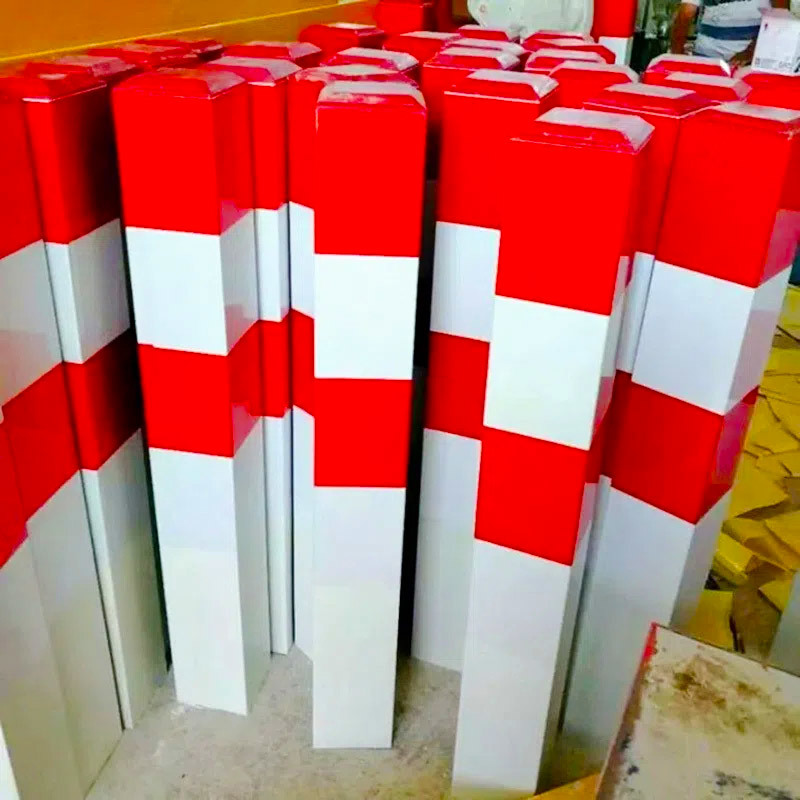
Pultruded fiberglass structural profiles are advanced composite materials that have gained traction in the construction and architectural sectors due to their exceptional properties and versatile applications. These profiles are manufactured through a continuous pultrusion process, where fiberglass reinforcement is combined with a resin matrix, resulting in a lightweight, high-strength product that offers numerous advantages over traditional materials.
One of the most significant benefits of pultruded fiberglass structural profiles is their resistance to corrosion and environmental degradation. Unlike metals, which can rust and deteriorate over time, fiberglass profiles maintain their integrity even in harsh weather conditions. This makes them an excellent choice for outdoor structures, marine applications, and areas exposed to chemicals or moisture. The durability of these profiles translates to lower maintenance costs and a longer service life, providing an efficient solution for modern construction needs.
Another advantage of pultruded fiberglass profiles is their exceptional strength-to-weight ratio. The lightweight nature of fiberglass allows for easier handling and installation, reducing labor costs and time on-site. Despite their lightness, these profiles exhibit remarkable strength, making them suitable for a variety of structural applications, including beams, columns, and trusses. This combination of strength and reduced weight can lead to significant efficiency improvements in construction projects, allowing for more innovative and complex designs.
In addition to their structural capabilities, pultruded fiberglass profiles offer design flexibility. They can be manufactured in a wide range of shapes, sizes, and colors, enabling architects and designers to realize their creative visions. Whether it's for aesthetic purposes or functional requirements, these profiles can be customized to meet specific project needs, making them a versatile option in the building materials market.
Moreover, pultruded fiberglass profiles are non-conductive, which enhances their safety in applications where electrical hazards may be a concern. This property is particularly beneficial in industries such as electrical and telecommunications, where ensuring the safety of installations is paramount.
While the benefits of pultruded fiberglass structural profiles are clear, understanding their proper application is crucial for achieving optimal results. They are commonly used in various sectors, including transportation, construction, and industrial applications. When selecting the right profiles, it is essential to consider factors such as load capacity, environmental exposure, and the specific requirements of the project.
In conclusion, pultruded fiberglass structural profiles represent a modern, efficient solution for the construction industry. Their unique combination of strength, lightweight, resistance to corrosion, design flexibility, and safety makes them an ideal choice for a wide range of applications. As the industry continues to evolve, incorporating such innovative materials will play a key role in shaping the future of building and construction.
One of the most significant benefits of pultruded fiberglass structural profiles is their resistance to corrosion and environmental degradation. Unlike metals, which can rust and deteriorate over time, fiberglass profiles maintain their integrity even in harsh weather conditions. This makes them an excellent choice for outdoor structures, marine applications, and areas exposed to chemicals or moisture. The durability of these profiles translates to lower maintenance costs and a longer service life, providing an efficient solution for modern construction needs.
Another advantage of pultruded fiberglass profiles is their exceptional strength-to-weight ratio. The lightweight nature of fiberglass allows for easier handling and installation, reducing labor costs and time on-site. Despite their lightness, these profiles exhibit remarkable strength, making them suitable for a variety of structural applications, including beams, columns, and trusses. This combination of strength and reduced weight can lead to significant efficiency improvements in construction projects, allowing for more innovative and complex designs.
In addition to their structural capabilities, pultruded fiberglass profiles offer design flexibility. They can be manufactured in a wide range of shapes, sizes, and colors, enabling architects and designers to realize their creative visions. Whether it's for aesthetic purposes or functional requirements, these profiles can be customized to meet specific project needs, making them a versatile option in the building materials market.
Moreover, pultruded fiberglass profiles are non-conductive, which enhances their safety in applications where electrical hazards may be a concern. This property is particularly beneficial in industries such as electrical and telecommunications, where ensuring the safety of installations is paramount.
While the benefits of pultruded fiberglass structural profiles are clear, understanding their proper application is crucial for achieving optimal results. They are commonly used in various sectors, including transportation, construction, and industrial applications. When selecting the right profiles, it is essential to consider factors such as load capacity, environmental exposure, and the specific requirements of the project.
In conclusion, pultruded fiberglass structural profiles represent a modern, efficient solution for the construction industry. Their unique combination of strength, lightweight, resistance to corrosion, design flexibility, and safety makes them an ideal choice for a wide range of applications. As the industry continues to evolve, incorporating such innovative materials will play a key role in shaping the future of building and construction.
Previous:

Perhaps You Also Need:
All
- All
- Product Management
- News
- Introduction
- Enterprise outlets
- FAQ
- Enterprise Video
- Enterprise Atlas
Mobile Phone
Address
China ● Glass Steel City, Zaoqiang County, Hengshui City, Hebei Province