

How to Ensure Compliance with FRP Desulfurization Tower Solutions: A Comprehensive Guide
Jun 04,2026
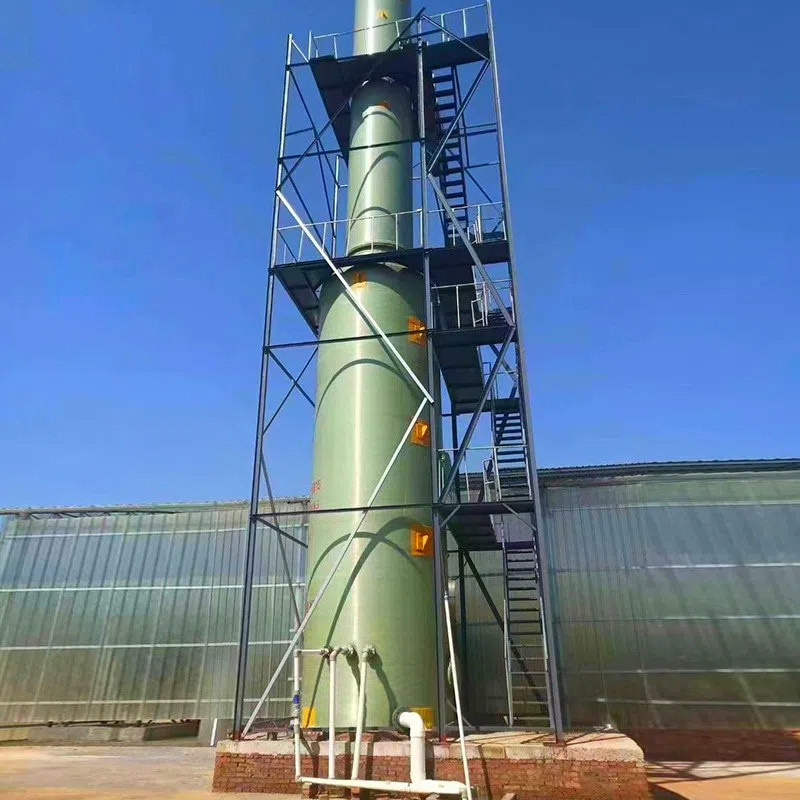
How to Ensure Compliance with FRP Desulfurization Tower Solutions
In the chemical industry, particularly in rubber processing machinery, ensuring compliance with environmental regulations is crucial. One essential aspect of this compliance is the effective use of FRP desulfurization towers. These towers play a vital role in reducing sulfur emissions, thereby helping companies meet stringent environmental standards. In this article, we will delve into how organizations can ensure compliance with FRP desulfurization tower solutions by understanding regulatory requirements, optimal operation practices, and technological advancements.
Table of Contents
- Understanding FRP Desulfurization Towers
- Key Regulations and Compliance Standards
- Critical Components of FRP Desulfurization Systems
- Installation Best Practices for FRP Desulfurization Towers
- Regular Maintenance and Inspection
- Emerging Technologies in Desulfurization
- Staff Training and Awareness
- Common Mistakes to Avoid
- Conclusion
- FAQs
Understanding FRP Desulfurization Towers
FRP desulfurization towers are engineered systems designed to remove sulfur compounds from gas streams in various industrial processes. Utilizing fiberglass reinforced plastic allows these towers to withstand harsh chemical environments while being lightweight and cost-effective. These systems primarily target sulfur dioxide (SO2) emissions, converting them into non-toxic substances, thus mitigating environmental impact.
At their core, FRP desulfurization towers operate on the principle of gas-liquid absorption, where acidic gas components react with alkali substances within the tower. This process results in the formation of salts, which can be further processed or disposed of safely.
Key Regulations and Compliance Standards
Complying with environmental regulations is a critical factor for any operation utilizing FRP desulfurization towers. Different regions have varying standards governed by agencies such as the Environmental Protection Agency (EPA) in the United States, the European Environment Agency (EEA), and local regulatory bodies. Understanding these regulations is paramount for compliance.
Federal and State Regulations
In the United States, the Clean Air Act sets the framework for regulating air emissions from stationary sources. Facilities must comply with National Ambient Air Quality Standards (NAAQS) and other requirements specific to sulfur compounds. Additionally, state-level regulations may impose stricter limits than federal standards.
International Regulations
Globally, organizations must also align with international agreements such as the Paris Agreement, which addresses greenhouse gas emissions. Compliance may vary significantly depending on the country’s commitment to environmental standards and policies.
Critical Components of FRP Desulfurization Systems
Understanding the components of an FRP desulfurization system is vital for ensuring effective operation and compliance. Here are the essential elements:
Absorption Towers
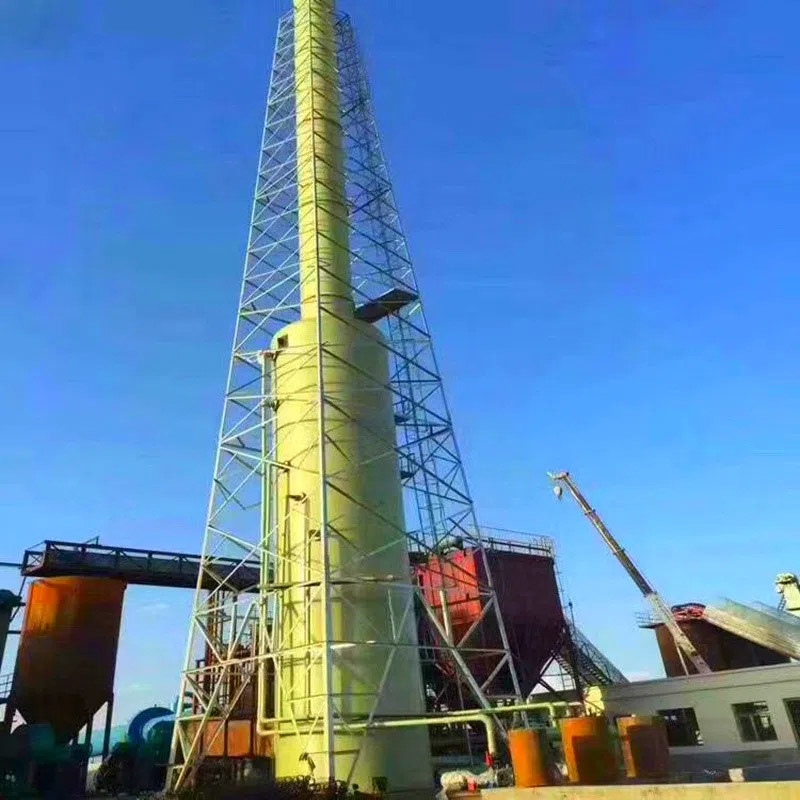
The absorption tower is the heart of the desulfurization system, where the gas interacts with the scrubbing liquid. Proper engineering ensures effective contact between the gas and liquid phases.
Scrubbing Liquids
Common scrubbing liquids include sodium hydroxide or calcium carbonate solutions. The choice of scrubbing liquid impacts the efficiency of SO2 removal and should be selected based on the specific process requirements.
Blowers and Pumps
These components facilitate the movement of gases and liquids within the system, ensuring continuous operation. Proper sizing and maintenance of blowers and pumps are crucial for maintaining compliance.
Control Systems
Automated control systems help monitor and regulate the performance of desulfurization towers. These systems can optimize the process in real time, ensuring efficient operation and compliance with regulatory standards.
Installation Best Practices for FRP Desulfurization Towers
The installation of FRP desulfurization towers must be executed meticulously to ensure compliance and operational efficiency. Here are some best practices:
Site Assessment
Before installation, conduct a comprehensive site assessment to determine the optimal location and configuration of the desulfurization tower. This includes evaluating space, accessibility, and proximity to potential emissions sources.
Professional Installation
Engage qualified professionals to oversee the installation process. Their expertise ensures that the system is set up according to manufacturer specifications and local regulations.
Integration with Existing Systems
Ensure that the FRP desulfurization tower is effectively integrated with other components of the facility. This may involve modifying existing systems to accommodate the new technology while maintaining compliance.
Regular Maintenance and Inspection
Routine maintenance is essential for the longevity of FRP desulfurization systems and for ensuring ongoing compliance with environmental regulations. Here are some critical maintenance practices:
Scheduled Inspections
Conduct regular inspections of the desulfurization tower components, including the absorption tower, scrubbing liquids, and pumps. Inspections should focus on wear and tear, corrosion, and potential leaks.
Liquid Quality Monitoring
Regularly test the scrubbing liquid to ensure optimal pH and concentration levels. Degradation of the scrubbing liquid can reduce the system's effectiveness and lead to compliance issues.
Documentation and Reporting
Maintain detailed records of all maintenance activities, inspections, and liquid testing. Documentation is crucial for demonstrating compliance during audits and inspections.
Emerging Technologies in Desulfurization
Advancements in technology are continually enhancing the effectiveness and efficiency of FRP desulfurization systems. Staying informed about these technologies is critical for compliance and operational excellence.
Advanced Materials
New materials for construction and linings of FRP towers can enhance resistance to corrosion and chemical degradation, extending the lifespan of these systems.
Automated Monitoring Systems
Implementing advanced monitoring systems equipped with sensors and IoT capabilities can provide real-time data on operational performance. This data helps in making informed decisions and maintaining compliance.
Hybrid Systems
Integrating multiple treatment technologies, such as biodesulfurization, with traditional FRP systems can improve overall efficiency and compliance rates.
Staff Training and Awareness
Ensuring that staff members are well-trained and aware of compliance standards and operational procedures is vital for the effective operation of FRP desulfurization systems.
Regular Training Sessions
Conduct regular training sessions for personnel involved in operating and maintaining desulfurization towers. Training should cover compliance regulations, operational safety, and emergency response procedures.
Creating a Compliance Culture
Foster a culture of compliance within the organization. Encourage all employees to take ownership of environmental responsibility and understand their role in achieving compliance.
Common Mistakes to Avoid
When working with FRP desulfurization towers, certain pitfalls can lead to non-compliance and operational inefficiencies. Here are some common mistakes to avoid:
Neglecting Regulations
Failing to stay updated with local and federal regulations can result in severe penalties. Regularly review compliance requirements and adjust operations accordingly.
Inadequate Maintenance
Skipping routine maintenance can lead to system failures and compliance violations. Establish a maintenance schedule and adhere to it rigorously.
Lack of Training
Underestimating the importance of training can lead to operational errors. Invest in comprehensive training programs for all staff involved in the desulfurization process.
Conclusion
Ensuring compliance with FRP desulfurization tower solutions is a multifaceted challenge that requires an understanding of regulations, best practices in installation and maintenance, and the adoption of emerging technologies. By prioritizing these aspects, organizations can effectively mitigate sulfur emissions while protecting the environment and maintaining regulatory compliance. A proactive approach, including regular training and continuous monitoring, will further enhance operational efficiency and sustainability.
FAQs
1. What is the primary function of an FRP desulfurization tower?
The primary function of an FRP desulfurization tower is to remove sulfur compounds from gas streams, thereby reducing sulfur dioxide emissions to comply with environmental regulations.
2. How often should maintenance be performed on desulfurization systems?
Routine maintenance should typically be performed at least quarterly, with specific checks on critical components more frequently based on operational demands.
3. What are the common scrubbing liquids used in desulfurization towers?
Common scrubbing liquids include sodium hydroxide, calcium carbonate, and other alkaline solutions designed to neutralize acidic gases.
4. How can organizations ensure they are compliant with changing regulations?
Organizations should regularly review updates from regulatory bodies and participate in industry forums to stay informed about regulatory changes and compliance requirements.
5. What role does staff training play in compliance?
Staff training is essential for ensuring that employees understand compliance requirements, operational procedures, and safety protocols, which collectively contribute to effective system operation and environmental responsibility.
Perhaps You Also Need:
- All
- Product Management
- News
- Introduction
- Enterprise outlets
- FAQ
- Enterprise Video
- Enterprise Atlas
Address
China ● Glass Steel City, Zaoqiang County, Hengshui City, Hebei Province