

Safety First: The Essential Role of FRP Composite Handrails in Commercial Spaces
Jun 24,2026
Safety First: The Essential Role of FRP Composite Handrails in Commercial Spaces
Table of Contents
1. Introduction to FRP Composite Handrails
2. Importance of Safety in Commercial Spaces
3. Benefits of FRP Composite Handrails
3.1 Durability and Longevity
3.2 Low Maintenance Requirements
3.3 Aesthetic Appeal and Customization
4.
Safety First: The Essential Role of FRP Composite Handrails in Commercial Spaces
Table of Contents
- 1. Introduction to FRP Composite Handrails
- 2. Importance of Safety in Commercial Spaces
- 3. Benefits of FRP Composite Handrails
- 3.1 Durability and Longevity
- 3.2 Low Maintenance Requirements
- 3.3 Aesthetic Appeal and Customization
- 4. Applications of FRP Composite Handrails
- 5. Compliance with Safety Standards
- 6. Installation of FRP Composite Handrails
- 7. Cost-Effectiveness of FRP Handrails
- 8. Frequently Asked Questions
- 9. Conclusion
1. Introduction to FRP Composite Handrails
In the ever-evolving world of construction and design, **safety** stands as a paramount concern, especially in commercial spaces where foot traffic is high. As architects and builders prioritize safety features, the **FRP (Fiber Reinforced Polymer) composite handrails** have emerged as a leading solution. These handrails combine advanced materials with innovative designs, offering unparalleled safety and durability. This article delves into the transformative role of FRP composite handrails, emphasizing their structural integrity, aesthetic versatility, and compliance with modern safety standards.
2. Importance of Safety in Commercial Spaces
Ensuring safety in commercial spaces is not just a regulatory requirement; it is essential for protecting individuals who interact with these environments daily. Slip and fall accidents can lead to significant liabilities for businesses, making it crucial to implement effective safety measures. Handrails are vital components in stairways, walkways, and platforms, providing essential support and guidance for individuals navigating these spaces. Understanding the importance of safety-first design helps organizations make informed decisions about materials and products that enhance safety while promoting a positive user experience.
3. Benefits of FRP Composite Handrails
FRP composite handrails offer a multitude of advantages compared to traditional materials like wood and metal. Below, we explore these benefits in greater detail.
3.1 Durability and Longevity
One of the standout characteristics of FRP composite handrails is their exceptional **durability**. Designed to withstand the rigors of daily use in commercial settings, these handrails resist corrosion, weathering, and other environmental factors. Unlike metal, which can rust over time, or wood, which may rot, FRP composites maintain their structural integrity and appearance for years. This longevity translates to lower replacement and maintenance costs, making them a wise investment for any commercial property.
3.2 Low Maintenance Requirements
In addition to their durability, FRP composite handrails require minimal maintenance. Traditional materials often demand regular painting, sealing, or staining to preserve their appearance and functionality. In contrast, FRP composites retain their color and finish without extensive upkeep. A simple cleaning routine is usually sufficient to maintain their aesthetics, allowing facility managers to focus their resources on other critical areas of property management.
3.3 Aesthetic Appeal and Customization
Today's consumers expect more than just functionality from building materials; they seek **aesthetic appeal** as well. FRP composite handrails come in a variety of colors, textures, and designs, allowing architects to seamlessly integrate them into their vision for a space. These handrails can mimic the look of natural wood or sleek metal finishes, providing the flexibility needed to complement any commercial design. Furthermore, customization options enable businesses to reinforce their branding through color choices and designs, enhancing their overall identity.
4. Applications of FRP Composite Handrails
The versatility of FRP composite handrails makes them suitable for a wide range of applications in commercial environments. Below, we discuss three key areas where these handrails excel.
4.1 In Commercial Buildings
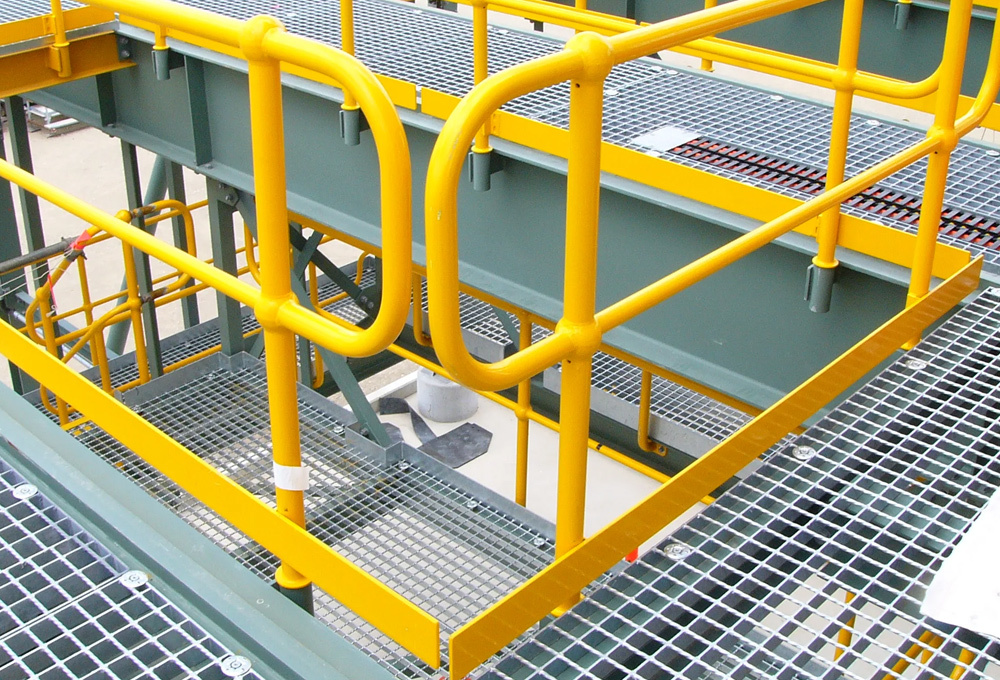
In commercial buildings, FRP composite handrails provide an essential safety feature in staircases, balconies, and walkways. Their ability to withstand heavy foot traffic without compromising safety or appearance makes them ideal for offices, shopping centers, and hotels. With a focus on modern design, these handrails can enhance the visual appeal of lobbies and common areas while ensuring compliance with safety regulations.
4.2 In Public Spaces
Public spaces such as parks, museums, and transportation hubs benefit significantly from the installation of FRP composite handrails. These areas often experience a high volume of visitors, necessitating robust safety measures. The lightweight nature of FRP composites allows for easier installation and transportation, making them a practical choice for enhancing safety features in public spaces while maintaining aesthetic charm.
4.3 In Industrial Settings
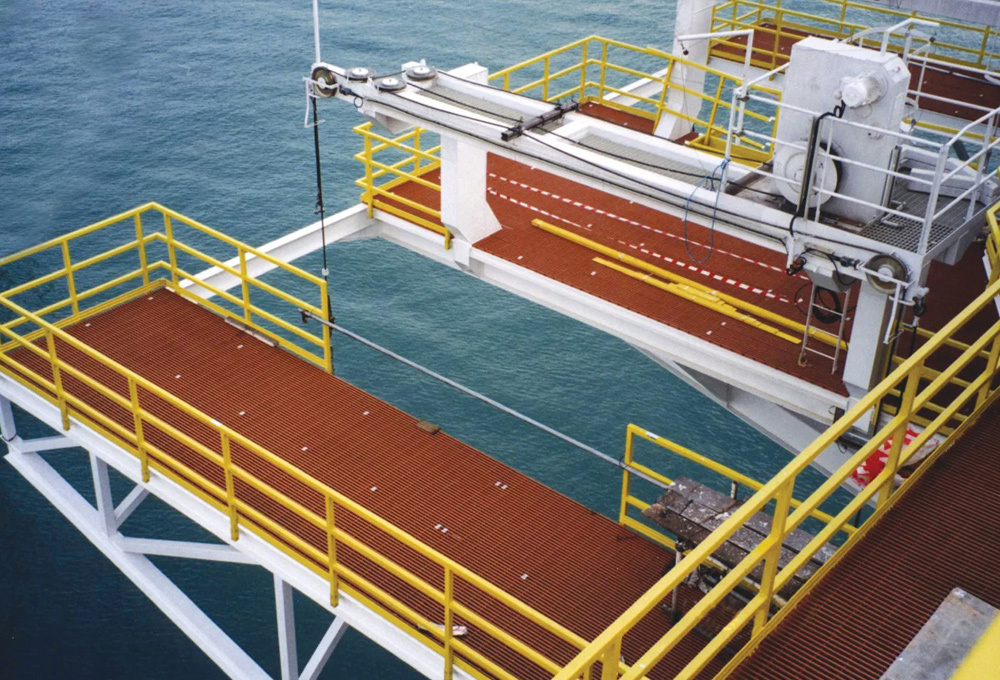
In industrial settings, the strength and durability of FRP composite handrails shine through. Facilities that handle chemicals or are exposed to harsh conditions find these handrails indispensable, as they resist corrosion and degradation. Moreover, their non-conductive properties make them a safer choice in environments where electrical safety is a concern, further enhancing workplace safety.
5. Compliance with Safety Standards
Understanding and adhering to safety standards is non-negotiable in commercial construction. FRP composite handrails are engineered to meet or exceed safety codes, including those set forth by the Occupational Safety and Health Administration (OSHA) and the Americans with Disabilities Act (ADA). Their design ensures that businesses can provide safe access and prevent accidents, mitigating liability and enhancing the overall safety profile of the facility.
6. Installation of FRP Composite Handrails
The installation process for FRP composite handrails is straightforward, allowing for quick deployment in various settings. Experienced installers can efficiently mount these handrails using standard tools and techniques, minimizing downtime for businesses. Additionally, the lightweight nature of FRP materials simplifies transportation and handling, further streamlining the installation process.
7. Cost-Effectiveness of FRP Handrails
Investing in FRP composite handrails offers long-term financial benefits. While the initial cost may be slightly higher than traditional materials, their durability and low maintenance needs lead to significant savings over time. Businesses can reduce expenditures associated with replacements and repairs, making FRP composites a cost-effective choice in the long run. This financial rationale, combined with their safety and aesthetic benefits, makes FRP handrails an attractive option for commercial environments.
8. Frequently Asked Questions
1. What are FRP composite handrails made of?
FRP composite handrails are made from a combination of fiber reinforced polymer, which includes resin and glass or carbon fibers that provide strength, durability, and lightweight properties.
2. Are FRP composite handrails safe for use in commercial spaces?
Yes, FRP composite handrails are designed to meet stringent safety standards and provide effective support in commercial settings, helping to prevent accidents and injuries.
3. Can FRP composite handrails be customized?
Absolutely! FRP composite handrails come in various colors and finishes, allowing for customization to fit the aesthetic needs of any commercial space.
4. How do FRP composite handrails compare to traditional materials?
FRP composite handrails are more durable, require less maintenance, and are resistant to corrosion and degradation compared to traditional materials like wood and metal.
5. What is the lifespan of FRP composite handrails?
With proper care, FRP composite handrails can last for decades, significantly longer than many traditional materials, making them a cost-effective choice over time.
9. Conclusion
In summary, FRP composite handrails represent a significant advancement in safety and design for commercial spaces. Their durability, low maintenance requirements, and aesthetic versatility make them an ideal choice for architects and builders striving to enhance safety without compromising on style. As businesses increasingly prioritize safety in their design choices, FRP composite handrails will continue to play a vital role in creating environments that protect and inspire. By investing in these innovative solutions, companies can ensure that safety remains at the forefront of their operations, ultimately benefiting both employees and customers alike.
Previous:
Perhaps You Also Need:
All
- All
- Product Management
- News
- Introduction
- Enterprise outlets
- FAQ
- Enterprise Video
- Enterprise Atlas
Address
China ● Glass Steel City, Zaoqiang County, Hengshui City, Hebei Province