

Understanding the Benefits of Fiberglass Pultruded Angle Bars in Construction
Jun 19,2026
In the construction and decoration materials sector, fiberglass pultruded angle bars have gained recognition for their unique properties and benefits. These angle bars, produced through the pultrusion process, combine high-strength fibers with resin, resulting in a lightweight yet robust material ideal for various applications in building and structural components.
One of the primary advantages of
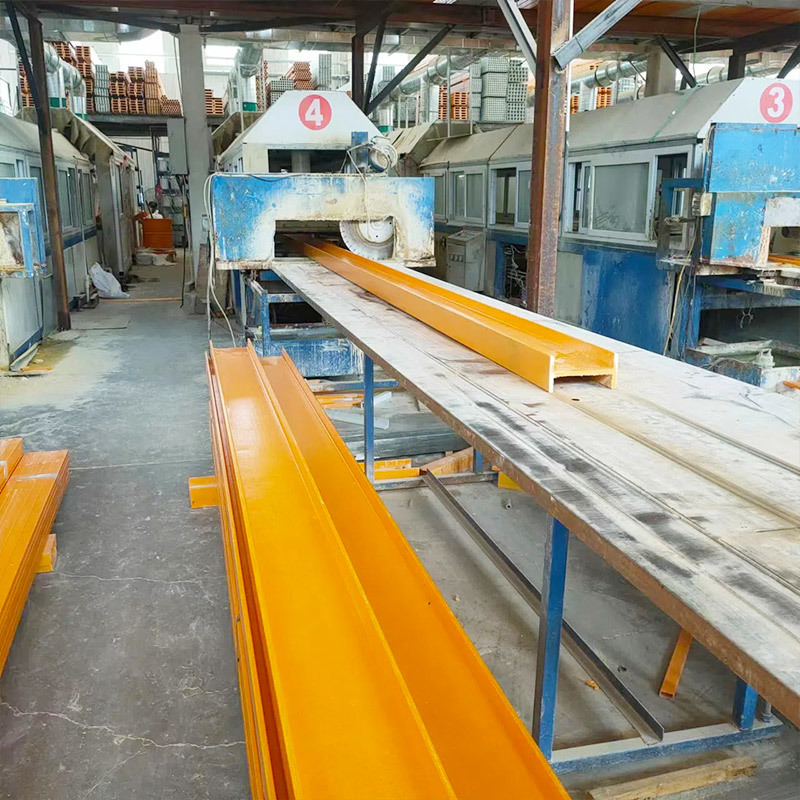
In the construction and decoration materials sector, fiberglass pultruded angle bars have gained recognition for their unique properties and benefits. These angle bars, produced through the pultrusion process, combine high-strength fibers with resin, resulting in a lightweight yet robust material ideal for various applications in building and structural components.
One of the primary advantages of fiberglass pultruded angle bars is their exceptional resistance to corrosion and environmental degradation. Unlike traditional steel products, fiberglass does not rust, making it an ideal choice for projects in coastal areas or environments that are prone to moisture. This property not only extends the lifespan of the material but also reduces maintenance costs, making it an economically sound choice for construction projects.
Moreover, fiberglass pultruded angle bars are known for their excellent strength-to-weight ratio. This means that they can support significant loads while remaining lightweight, which can simplify transportation and installation processes on job sites. The reduced weight can also lead to lower structural support requirements, potentially decreasing overall construction costs.
Additionally, fiberglass offers good thermal and electrical insulating properties. This characteristic makes fiberglass pultruded angle bars suitable for applications where thermal expansion and electrical conductivity are concerns, such as in industrial and commercial buildings. Their non-conductive nature helps in minimizing the risks associated with electrical hazards, making them a safer choice in certain environments.
These angle bars come in various shapes and sizes, providing versatility for architects and builders. They can be used in a multitude of applications, such as framing, bracing, and support structures. The ability to customize these components to meet specific project requirements further enhances their utility in the construction industry.
Sustainability is another essential factor driving the adoption of fiberglass pultruded angle bars. As the construction industry increasingly focuses on environmentally friendly materials, fiberglass stands out due to its recyclability and lower environmental impact during production compared to traditional steel options. Using fiberglass in construction projects can contribute to achieving green building certifications and enhance overall sustainability goals.
In summary, when considering materials for your next construction project, fiberglass pultruded angle bars present a range of benefits, from corrosion resistance and lightweight properties to improved insulation and sustainability. By understanding these advantages, builders and architects can make informed decisions that enhance both the performance and longevity of their structures. If you are looking for a reliable supplier of fiberglass pultruded angle bars, conducting thorough research and selecting a supplier with a proven track record can ensure you receive high-quality products that meet your project needs.
One of the primary advantages of fiberglass pultruded angle bars is their exceptional resistance to corrosion and environmental degradation. Unlike traditional steel products, fiberglass does not rust, making it an ideal choice for projects in coastal areas or environments that are prone to moisture. This property not only extends the lifespan of the material but also reduces maintenance costs, making it an economically sound choice for construction projects.
Moreover, fiberglass pultruded angle bars are known for their excellent strength-to-weight ratio. This means that they can support significant loads while remaining lightweight, which can simplify transportation and installation processes on job sites. The reduced weight can also lead to lower structural support requirements, potentially decreasing overall construction costs.
Additionally, fiberglass offers good thermal and electrical insulating properties. This characteristic makes fiberglass pultruded angle bars suitable for applications where thermal expansion and electrical conductivity are concerns, such as in industrial and commercial buildings. Their non-conductive nature helps in minimizing the risks associated with electrical hazards, making them a safer choice in certain environments.
These angle bars come in various shapes and sizes, providing versatility for architects and builders. They can be used in a multitude of applications, such as framing, bracing, and support structures. The ability to customize these components to meet specific project requirements further enhances their utility in the construction industry.
Sustainability is another essential factor driving the adoption of fiberglass pultruded angle bars. As the construction industry increasingly focuses on environmentally friendly materials, fiberglass stands out due to its recyclability and lower environmental impact during production compared to traditional steel options. Using fiberglass in construction projects can contribute to achieving green building certifications and enhance overall sustainability goals.
In summary, when considering materials for your next construction project, fiberglass pultruded angle bars present a range of benefits, from corrosion resistance and lightweight properties to improved insulation and sustainability. By understanding these advantages, builders and architects can make informed decisions that enhance both the performance and longevity of their structures. If you are looking for a reliable supplier of fiberglass pultruded angle bars, conducting thorough research and selecting a supplier with a proven track record can ensure you receive high-quality products that meet your project needs.
Previous:
Perhaps You Also Need:
All
- All
- Product Management
- News
- Introduction
- Enterprise outlets
- FAQ
- Enterprise Video
- Enterprise Atlas
Mobile Phone
Address
China ● Glass Steel City, Zaoqiang County, Hengshui City, Hebei Province