

Innovative Uses for Fiberglass Hand-Layup Pipe Fittings in Modern Architecture
Jun 14,2026
Innovative Uses for Fiberglass Hand-Layup Pipe Fittings in Modern Architecture
Table of Contents
1. Introduction to Fiberglass Hand-Layup Pipe Fittings
2. Unique Properties of Fiberglass Hand-Layup Pipe Fittings
3. Innovative Applications in Modern Architecture
3.1 Enhancing Energy Efficiency
3.2 Design Freedom and Aesthetics
3.3 Sustainability and Envir
Innovative Uses for Fiberglass Hand-Layup Pipe Fittings in Modern Architecture
Table of Contents
- 1. Introduction to Fiberglass Hand-Layup Pipe Fittings
- 2. Unique Properties of Fiberglass Hand-Layup Pipe Fittings
- 3. Innovative Applications in Modern Architecture
- 3.1 Enhancing Energy Efficiency
- 3.2 Design Freedom and Aesthetics
- 3.3 Sustainability and Environmental Benefits
- 4. Benefits of Using Fiberglass Pipe Fittings in Construction
- 5. Real-World Case Studies
- 6. Future Trends in Fiberglass Pipe Fittings
- 7. Frequently Asked Questions
- 8. Conclusion
1. Introduction to Fiberglass Hand-Layup Pipe Fittings
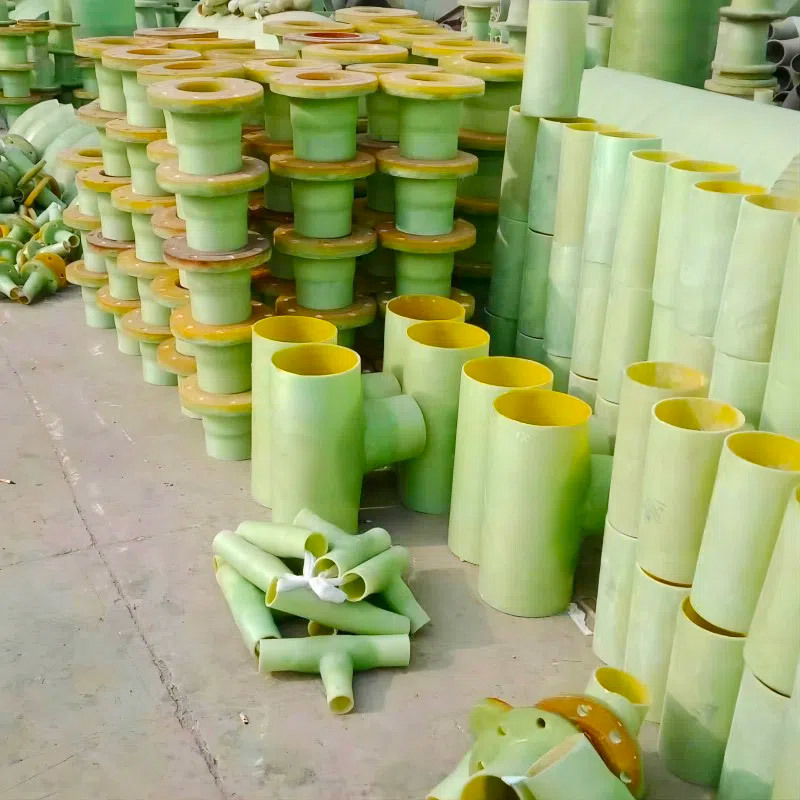
In the realm of modern architecture, innovation is vital for creating structures that are not only functional but also visually appealing. **Fiberglass hand-layup pipe fittings** have emerged as a game-changing solution in this field, offering unparalleled advantages over traditional materials. These fittings, crafted through a meticulous hand-layup process, provide unique features that cater to the evolving demands of contemporary architectural projects.
2. Unique Properties of Fiberglass Hand-Layup Pipe Fittings
**Fiberglass pipe fittings** possess distinct properties that set them apart from metal and PVC alternatives. Their lightweight nature, combined with exceptional strength, allows for easier handling and installation. Additionally, fiberglass is resistant to corrosion, making it suitable for various environmental conditions, including marine and industrial settings.
2.1 Lightweight Yet Durable
The lightweight quality of fiberglass fittings facilitates transportation and installation, reducing labor costs. Despite their lightweight nature, they boast significant durability, making them ideal for long-term use in architectural applications.
2.2 Corrosion Resistance
Fiberglass is inherently resistant to chemicals and moisture, which means it won’t corrode, rust, or degrade over time. This property ensures longevity and reduced maintenance costs, a crucial factor in modern architecture where sustainability is a priority.
2.3 Thermal Insulation
The thermal insulating properties of fiberglass fittings contribute to energy efficiency in buildings. By minimizing heat loss or gain, architects can create structures that maintain comfortable indoor environments while reducing energy consumption.
3. Innovative Applications in Modern Architecture
The versatility of fiberglass hand-layup pipe fittings opens the door to various innovative applications in the architectural sector. From energy efficiency to design aesthetics, their uses are far-reaching.
3.1 Enhancing Energy Efficiency
Architects and builders are increasingly focusing on energy-efficient designs. Fiberglass fittings play a crucial role in this movement by offering thermal insulation and reducing energy losses. For instance, when integrated into HVAC systems, these fittings can significantly diminish energy consumption, resulting in lower operational costs and a smaller carbon footprint.
3.2 Design Freedom and Aesthetics
The flexibility in shaping and molding fiberglass fittings allows architects to push the boundaries of design. They can create intricate shapes and forms that are often impossible with traditional materials. This design freedom leads to aesthetically pleasing structures that stand out in the urban landscape.
3.3 Sustainability and Environmental Benefits
As the construction industry continues to seek sustainable solutions, fiberglass fittings emerge as a frontrunner in eco-friendly materials. Their durability translates to fewer replacements over time, and their resistance to harsh conditions means they can endure without contributing to waste. This aligns perfectly with the principles of sustainable architecture.
4. Benefits of Using Fiberglass Pipe Fittings in Construction
Choosing fiberglass hand-layup pipe fittings over traditional options offers numerous benefits that enhance both the construction process and the final architectural product.
4.1 Cost-Effectiveness
While the initial investment in fiberglass fittings may be higher than that of PVC or metal options, their long-term durability and low maintenance requirements render them cost-effective in the grand scheme. Lower energy costs due to their insulating properties further contribute to overall savings.
4.2 Easy Installation
Given their lightweight nature, fiberglass fittings are easier to handle and install, which can expedite the construction timeline. This efficiency allows projects to progress smoothly and minimizes labor costs associated with heavy lifting and complex installations.
4.3 Versatility in Application
Fiberglass fittings can be utilized across various applications, including plumbing, drainage systems, and HVAC setups. Their adaptability makes them a suitable choice for diverse architectural projects, from residential homes to large commercial buildings.
5. Real-World Case Studies
To illustrate the impact of fiberglass hand-layup pipe fittings in modern architecture, we can look at several successful case studies.
5.1 Eco-Friendly Office Building
In a recent eco-friendly office building project, architects chose fiberglass fittings for the building's plumbing and HVAC systems. The choice led to a significant reduction in energy consumption, with the building achieving a LEED certification for its sustainable design. The use of fiberglass not only met the project's environmental goals but also enhanced the overall aesthetic appeal.
5.2 Coastal Resort Development
A coastal resort development implemented fiberglass hand-layup pipe fittings in its construction due to their corrosion-resistant properties. The harsh marine environment typically damages traditional materials, but fiberglass fittings maintained their integrity, ensuring the longevity of the resort's infrastructure.
6. Future Trends in Fiberglass Pipe Fittings
As technology advances, the future of fiberglass hand-layup pipe fittings in architecture looks promising. Emerging trends indicate a growing reliance on these materials for innovative designs and sustainable practices.
6.1 Integration with Smart Technologies
The integration of smart technologies in building infrastructures is becoming increasingly popular. Fiberglass fittings can be designed to accommodate sensors and monitoring systems, enabling real-time data collection and enhancing energy efficiency.
6.2 Advancements in Manufacturing Techniques
With advancements in manufacturing techniques, we expect to see even more refined fiberglass fittings that offer improved strength and flexibility. These developments may open doors to new applications in architectural designs previously thought impossible.
7. Frequently Asked Questions
7.1 What are fiberglass hand-layup pipe fittings?
Fiberglass hand-layup pipe fittings are components made from fiberglass using a labor-intensive process that involves layering fiberglass materials to create strong, lightweight fittings suitable for various applications.
7.2 What are the advantages of using fiberglass fittings in construction?
The advantages include lightweight handling, corrosion resistance, energy efficiency, design flexibility, and reduced maintenance costs over time.
7.3 Are fiberglass fittings environmentally friendly?
Yes, fiberglass fittings are considered environmentally friendly due to their durability, which reduces the need for replacements, and their energy-efficient properties, which lower overall energy consumption.
7.4 Can fiberglass fittings be customized for specific architectural needs?
Absolutely! Fiberglass fittings can be easily molded into various shapes and sizes, allowing for customization to meet specific architectural and design requirements.
7.5 How do fiberglass fittings compare to traditional materials like PVC or metal?
Fiberglass fittings are generally lighter, more durable, and resistant to corrosion compared to PVC and metal options, making them a superior choice for many construction applications.
8. Conclusion
Fiberglass hand-layup pipe fittings are revolutionizing the world of modern architecture with their unique properties and innovative applications. As the industry continues to embrace sustainability and design freedom, the use of these fittings will likely expand, enhancing the performance and aesthetics of contemporary structures. By investing in fiberglass fittings, architects and builders can create more efficient, durable, and visually striking buildings that contribute positively to both the environment and the architectural landscape. The future of construction is undoubtedly bright with the promise of fiberglass fittings paving the way for innovation.
Perhaps You Also Need:
All
- All
- Product Management
- News
- Introduction
- Enterprise outlets
- FAQ
- Enterprise Video
- Enterprise Atlas
Address
China ● Glass Steel City, Zaoqiang County, Hengshui City, Hebei Province