

The Economic Benefits of Adopting FRP Desulfurization Towers in Chemical and Rubber Processing
Jul 24,2026
The Economic Benefits of Adopting FRP Desulfurization Towers
Introduction to FRP Desulfurization Towers
The **chemical** and **rubber processing industries** face increasing pressure to comply with environmental regulations. As a result, the adoption of effective desulfurization technologies has become essential. Among the available options, **Fiber Reinforced Polymer (FRP) desulfurization towers*
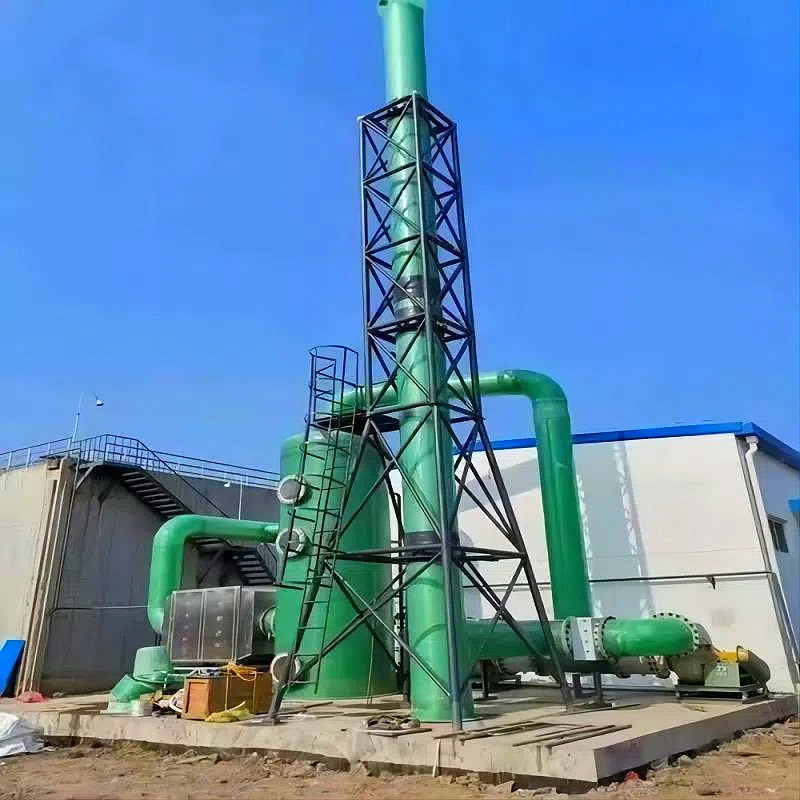
The Economic Benefits of Adopting FRP Desulfurization Towers
Introduction to FRP Desulfurization Towers
The **chemical** and **rubber processing industries** face increasing pressure to comply with environmental regulations. As a result, the adoption of effective desulfurization technologies has become essential. Among the available options, **Fiber Reinforced Polymer (FRP) desulfurization towers** stand out for their unique properties and benefits. This article explores the economic advantages of implementing these systems, focusing on their long-term impact on businesses.
Understanding Desulfurization in Industry
Desulfurization is the process of removing sulfur compounds from gases, particularly from emissions in industries that burn fossil fuels. These compounds can contribute to **acid rain** and other environmental issues. Therefore, industries must implement effective desulfurization technologies to mitigate these effects and adhere to regulatory standards.
The Basics of FRP Technology
Fiber Reinforced Polymer is a composite material made by combining a polymer matrix with fibers, such as glass or carbon. This innovative material provides several advantages, making it an ideal choice for desulfurization applications. Its lightweight nature, high strength, and corrosion resistance are pivotal in ensuring the longevity and effectiveness of desulfurization towers.
Key Benefits of FRP Desulfurization Towers
FRP desulfurization towers offer numerous benefits that can lead to substantial economic savings. These include:
1. Cost-Effective Maintenance
One of the most significant advantages of FRP towers is their **low maintenance requirements**. Unlike traditional materials, FRP does not corrode easily, which means fewer repairs and replacements over time. This reduction in maintenance translates to lower operational costs for businesses.
2. Enhanced Durability and Longevity
FRP desulfurization towers are designed to withstand harsh environments and high levels of chemical exposure. Their durability ensures a **long operational life**, which can lead to significant savings in capital expenditures over time.
3. Improved Efficiency in Desulfurization Processes
The design of FRP towers optimizes the contact between gas and liquid phases, enhancing the overall efficiency of the desulfurization process. This improved efficiency means that less energy is required to achieve the desired results, leading to further cost reductions.
4. Environmental Compliance and Corporate Responsibility
Adopting FRP desulfurization towers can help companies meet stringent environmental regulations. By minimizing sulfur emissions, businesses not only comply with legal requirements but also demonstrate corporate social responsibility, which can enhance their public image.
5. Versatility and Customization
FRP towers can be tailored to fit various operational needs and environments. This **versatility** allows companies to implement them in different settings, making it a valuable investment for various industries.
The Financial Impact of FRP Towers
Understanding the economic benefits of FRP towers requires a closer look at their financial implications for businesses. Here are some key aspects to consider:
Initial Investment vs. Long-Term Savings
While the initial cost of FRP desulfurization towers may be higher than traditional options, the long-term savings often outweigh these upfront expenses. Reduced maintenance, operational costs, and improved efficiency contribute to an attractive return on investment (ROI).
Energy Savings and Operational Efficiency
FRP towers contribute to energy savings through their efficient design. This can lead to lower utility bills, which is a significant factor for industries that consume large amounts of energy. Moreover, the efficiency gains can also lead to increased overall productivity.
Case Studies: Success Stories in FRP Implementation
1. **Chemical Manufacturing Plant**: A leading chemical manufacturer adopted FRP desulfurization towers and reported a 30% reduction in maintenance costs and a 15% decrease in energy consumption within the first year of operation.
2. **Rubber Processing Facility**: A rubber processing facility implemented FRP technology and achieved compliance with local emissions regulations, allowing them to avoid hefty fines and enhance their reputation in the market.
Comparative Analysis: FRP Towers vs. Traditional Solutions
When evaluating desulfurization options, it's essential to compare FRP towers with traditional systems. Here are several factors to consider:
Material Costs and Longevity
Traditional materials, such as steel, can corrode quickly in harsh environments, leading to higher replacement costs. In contrast, FRP towers offer a longer lifespan, making them more cost-effective in the long run.
Maintenance Requirements
Traditional desulfurization systems often require frequent inspections and repairs, leading to additional labor costs. FRP towers, being more resilient, greatly reduce maintenance needs.
Implementing FRP Desulfurization Towers: A Step-by-Step Guide
For businesses considering the switch to FRP desulfurization towers, a structured implementation plan is essential. Here’s a step-by-step guide:
1. Assess Current Systems
Begin by evaluating existing desulfurization systems to identify weaknesses and areas for improvement.
2. Research Providers
Find reputable manufacturers or suppliers of FRP desulfurization towers. Look for case studies and testimonials to assess their reliability and performance.
3. Conduct a Cost-Benefit Analysis
Analyze the costs associated with purchasing and installing FRP towers versus the potential savings in maintenance, energy consumption, and compliance costs.
4. Plan for Installation
Develop an installation plan that minimizes disruption to ongoing operations. Consider timeline, labor requirements, and necessary training.
5. Monitor and Optimize Performance
Once the FRP towers are operational, monitor their performance closely. Utilize data analytics to optimize their efficiency and ensure maximum economic benefits.
Future Trends in Desulfurization Technology
As industries evolve, so do the technologies used in desulfurization. Continuous innovation is leading to even more efficient and cost-effective solutions. Here are some trends to watch:
1. Integration of IoT for Monitoring
The Internet of Things (IoT) is making it easier to monitor and control desulfurization processes in real-time, leading to enhanced efficiency.
2. Enhanced Materials Science
Ongoing advancements in materials science will likely lead to even more robust and efficient FRP options, further improving their economic benefits.
3. Regulatory Changes
As environmental regulations become stricter, the demand for effective desulfurization solutions like FRP towers will increase, driving innovation and adoption.
Frequently Asked Questions (FAQs)
1. What industries can benefit from FRP desulfurization towers?
FRP desulfurization towers are particularly beneficial in the chemical, rubber, petroleum, and power generation industries.
2. How do FRP towers compare to traditional desulfurization methods?
FRP towers generally offer lower maintenance costs, longer lifespans, and greater efficiency compared to traditional methods.
3. What is the typical lifespan of an FRP desulfurization tower?
FRP towers can last significantly longer than traditional materials, often exceeding 20 years with proper maintenance.
4. Are there any environmental benefits to using FRP towers?
Yes, FRP towers help reduce sulfur emissions, contributing to improved air quality and adherence to environmental regulations.
5. What is the process for installing FRP desulfurization towers?
The installation process typically involves assessing current systems, selecting a provider, conducting a cost-benefit analysis, and planning for the installation while minimizing operational disruptions.
Conclusion
Adopting FRP desulfurization towers presents a compelling case for businesses in the chemical and rubber processing industries. The combination of **cost-effective maintenance**, **enhanced durability**, and **improved efficiency** offers significant economic advantages. As industries strive to meet stricter environmental regulations, the shift toward innovative solutions like FRP technology becomes not just beneficial but essential. By investing in FRP desulfurization towers, companies can secure a sustainable future while simultaneously improving their bottom line.
Perhaps You Also Need:
All
- All
- Product Management
- News
- Introduction
- Enterprise outlets
- FAQ
- Enterprise Video
- Enterprise Atlas
Address
China ● Glass Steel City, Zaoqiang County, Hengshui City, Hebei Province