

Enhancing Industrial Emission Control: The Role of FRP Desulfurization Towers
Jul 29,2026
In the pursuit of cleaner industrial operations, the implementation of effective air pollution control technologies is paramount. One such technology, the Industrial FRP (Fiberglass Reinforced Plastic) desulfurization tower, has emerged as a vital component in the sulfur dioxide (SO2) removal process, particularly in chemical and rubber processing industries. These towers are designed to mitigate
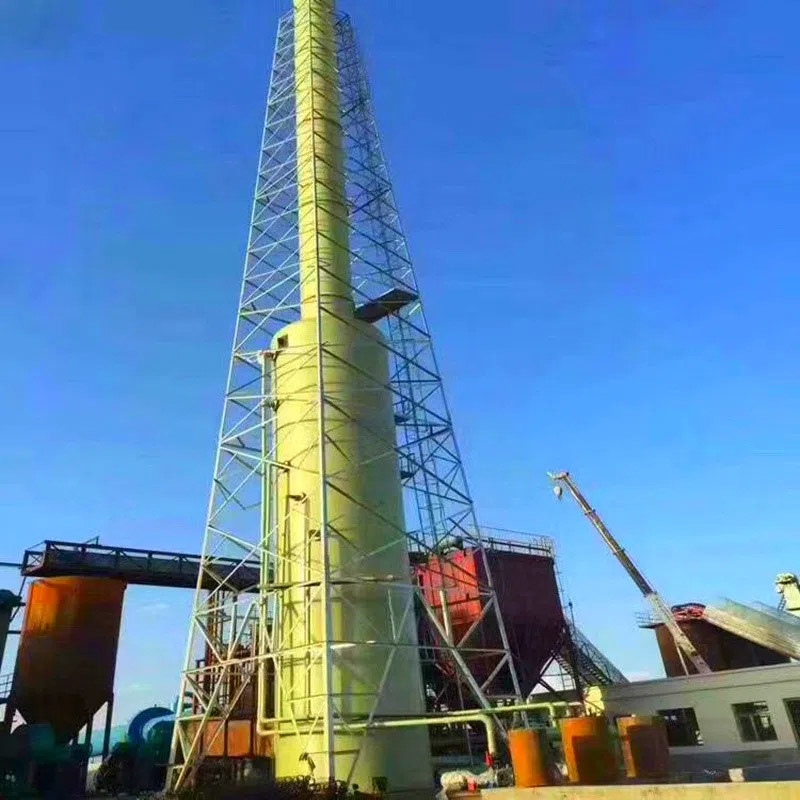
In the pursuit of cleaner industrial operations, the implementation of effective air pollution control technologies is paramount. One such technology, the Industrial FRP (Fiberglass Reinforced Plastic) desulfurization tower, has emerged as a vital component in the sulfur dioxide (SO2) removal process, particularly in chemical and rubber processing industries. These towers are designed to mitigate the adverse effects of sulfur emissions by providing a reliable solution for flue gas treatment.
The primary function of an Industrial FRP desulfurization tower is to remove sulfur dioxide from exhaust gases generated during industrial processes. The tower utilizes a wet scrubbing method, where the flue gas is brought into contact with a scrubbing liquid, typically an alkaline solution. This liquid reacts with the sulfur dioxide, converting it into a harmless byproduct, such as sodium sulfite or sodium bisulfite, which can then be safely disposed of or utilized in other processes.
One of the key advantages of using FRP materials in desulfurization towers is their excellent resistance to corrosion and chemical attack. In environments where acidic or alkaline substances are prevalent, FRP towers offer a longer service life compared to traditional materials, thereby reducing maintenance costs and downtime. Additionally, FRP's lightweight nature facilitates easier installation and transportation, making it a practical choice for many industrial applications.
When considering the implementation of Industrial FRP desulfurization towers, various technical factors must be evaluated to ensure optimal performance. These include the design of the tower, which should maximize gas-liquid contact to enhance mass transfer efficiency. The choice of scrubbing liquid and its concentration is also crucial, as it directly impacts the effectiveness of SO2 removal. Moreover, monitoring and controlling the operational parameters, such as flow rates and pressures, are essential to maintain compliance with environmental regulations and to achieve desired performance outcomes.
Furthermore, regulatory compliance is a significant aspect of adopting desulfurization technologies. Industries are increasingly required to adhere to stricter emissions standards, necessitating the integration of effective pollution control measures like FRP desulfurization towers. Understanding local legislation and environmental guidelines is critical for companies aiming to implement these systems successfully.
In conclusion, Industrial FRP desulfurization towers represent a sophisticated solution for managing sulfur dioxide emissions in chemical and rubber processing industries. By leveraging their durable construction and effective scrubbing capabilities, businesses can enhance their environmental performance while ensuring compliance with regulatory requirements. As industries continue to prioritize sustainability, the role of these innovative towers will become increasingly significant in achieving cleaner production processes.
The primary function of an Industrial FRP desulfurization tower is to remove sulfur dioxide from exhaust gases generated during industrial processes. The tower utilizes a wet scrubbing method, where the flue gas is brought into contact with a scrubbing liquid, typically an alkaline solution. This liquid reacts with the sulfur dioxide, converting it into a harmless byproduct, such as sodium sulfite or sodium bisulfite, which can then be safely disposed of or utilized in other processes.
One of the key advantages of using FRP materials in desulfurization towers is their excellent resistance to corrosion and chemical attack. In environments where acidic or alkaline substances are prevalent, FRP towers offer a longer service life compared to traditional materials, thereby reducing maintenance costs and downtime. Additionally, FRP's lightweight nature facilitates easier installation and transportation, making it a practical choice for many industrial applications.
When considering the implementation of Industrial FRP desulfurization towers, various technical factors must be evaluated to ensure optimal performance. These include the design of the tower, which should maximize gas-liquid contact to enhance mass transfer efficiency. The choice of scrubbing liquid and its concentration is also crucial, as it directly impacts the effectiveness of SO2 removal. Moreover, monitoring and controlling the operational parameters, such as flow rates and pressures, are essential to maintain compliance with environmental regulations and to achieve desired performance outcomes.
Furthermore, regulatory compliance is a significant aspect of adopting desulfurization technologies. Industries are increasingly required to adhere to stricter emissions standards, necessitating the integration of effective pollution control measures like FRP desulfurization towers. Understanding local legislation and environmental guidelines is critical for companies aiming to implement these systems successfully.
In conclusion, Industrial FRP desulfurization towers represent a sophisticated solution for managing sulfur dioxide emissions in chemical and rubber processing industries. By leveraging their durable construction and effective scrubbing capabilities, businesses can enhance their environmental performance while ensuring compliance with regulatory requirements. As industries continue to prioritize sustainability, the role of these innovative towers will become increasingly significant in achieving cleaner production processes.
Perhaps You Also Need:
All
- All
- Product Management
- News
- Introduction
- Enterprise outlets
- FAQ
- Enterprise Video
- Enterprise Atlas
Address
China ● Glass Steel City, Zaoqiang County, Hengshui City, Hebei Province