

Analyzing the Performance Metrics of FRP Desulfurization Towers: A Comprehensive Guide
Sep 12,2026
Analyzing the Performance Metrics of FRP Desulfurization Towers
Table of Contents
1. Introduction to FRP Desulfurization Towers
2. The Importance of Desulfurization in Industrial Processes
3. Understanding FRP: Properties and Advantages
4. Key Performance Metrics of FRP Desulfurization Towers
4.1 Efficiency in Sulfur Removal
4.2 Operational Parameters and Their Impact
4.3 Durability and Reliabilit
Analyzing the Performance Metrics of FRP Desulfurization Towers
Table of Contents
1. Introduction to FRP Desulfurization Towers
2. The Importance of Desulfurization in Industrial Processes
3. Understanding FRP: Properties and Advantages
4. Key Performance Metrics of FRP Desulfurization Towers
4.1 Efficiency in Sulfur Removal
4.2 Operational Parameters and Their Impact
4.3 Durability and Reliability
5. Factors Influencing Performance Metrics
5.1 Design Considerations
5.2 Environmental Conditions
5.3 Maintenance Practices
6. Case Studies: Real-world Applications
7. Best Practices for Optimizing FRP Desulfurization Towers
8. Conclusion
9. Frequently Asked Questions (FAQs)
1. Introduction to FRP Desulfurization Towers
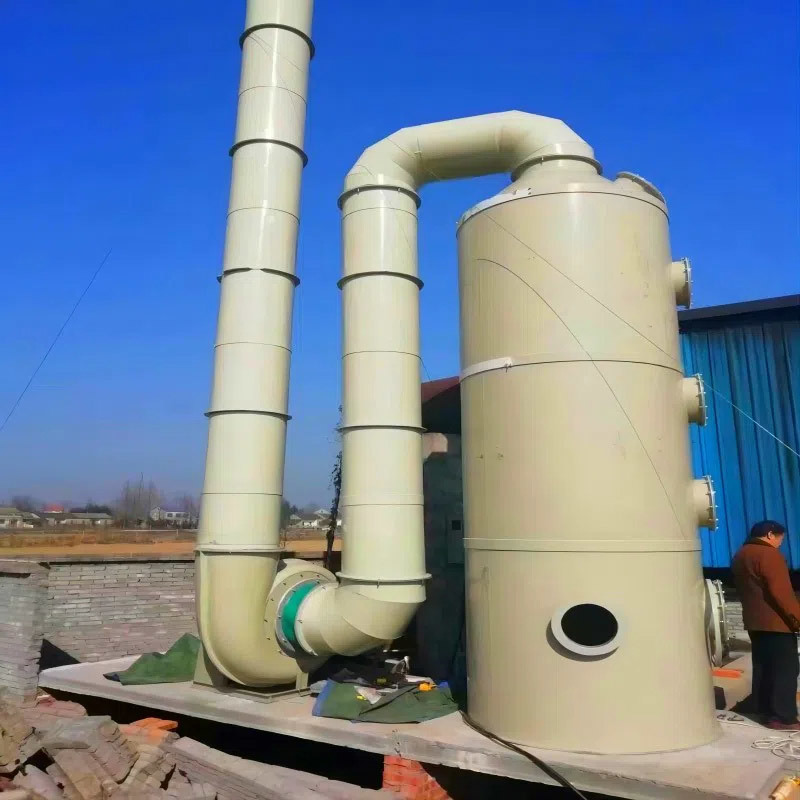
FRP (Fiberglass Reinforced Plastic) desulfurization towers play a critical role in various industrial applications where the reduction of sulfur compounds is necessary. These towers are designed to remove sulfur dioxide (SO2) from exhaust gases, ensuring compliance with environmental regulations. As industries face increasing scrutiny regarding emissions, understanding the performance metrics of FRP desulfurization towers becomes essential for both operational efficiency and environmental responsibility.
2. The Importance of Desulfurization in Industrial Processes
Desulfurization is vital for industries such as power generation, oil refining, and chemical manufacturing. Sulfur dioxide is a significant pollutant that can cause respiratory problems and contribute to acid rain. Implementing effective desulfurization processes not only helps in meeting regulatory requirements but also enhances the overall sustainability of industrial operations.
3. Understanding FRP: Properties and Advantages
FRP is a composite material made from a polymer matrix reinforced with fibers, typically glass. This construction offers several advantages for desulfurization towers:
- **Corrosion Resistance**: FRP withstands harsh chemicals, making it ideal for environments with high acidity levels.
- **Lightweight**: The reduced weight of FRP structures simplifies installation and maintenance.
- **Thermal Stability**: FRP maintains integrity under varying temperature conditions, enhancing operational reliability.
4. Key Performance Metrics of FRP Desulfurization Towers
Understanding the performance metrics of FRP desulfurization towers is crucial for evaluating their effectiveness.
4.1 Efficiency in Sulfur Removal
The primary performance metric for desulfurization towers is their efficiency in removing sulfur compounds from flue gases. This is typically measured as the percentage of SO2 reduction, which should ideally exceed 90% in well-designed systems. Factors influencing this efficiency include the flow rate of the gas, the contact time between the gas and absorbent, and the concentration of sulfur compounds.
4.2 Operational Parameters and Their Impact
Operational parameters such as gas velocity, temperature, and pressure significantly affect the performance of FRP desulfurization towers. Optimizing these parameters can lead to improved removal efficiencies and lower operational costs.
4.3 Durability and Reliability
Durability is critical for the long-term operation of desulfurization towers. FRP’s resistance to corrosion and fatigue ensures that these systems can operate effectively over extended periods with minimal maintenance.
5. Factors Influencing Performance Metrics
Several factors influence the performance metrics of FRP desulfurization towers, and understanding these can lead to better design and operational decisions.
5.1 Design Considerations
The design of the desulfurization tower, including its height, diameter, and packing material, can significantly influence performance. A well-designed tower maximizes contact between the gas and the absorbent, enhancing SO2 removal rates.
5.2 Environmental Conditions
External environmental conditions, such as humidity and temperature, can affect the performance of FRP towers. For instance, higher humidity levels can increase the efficiency of the desulfurization process, while extreme temperatures may necessitate adjustments in operating procedures.
5.3 Maintenance Practices
Regular maintenance is essential for ensuring optimal performance. This includes inspecting for wear and tear, cleaning the internal components, and replacing filters or packing materials as needed. Proactive maintenance practices can significantly extend the lifespan of FRP desulfurization towers.
6. Case Studies: Real-world Applications
Real-world applications of FRP desulfurization towers demonstrate their effectiveness and adaptability in various industries. In power plants, for example, FRP towers have been successfully implemented to comply with stringent emission standards while maintaining operational efficiency. Similarly, in the petrochemical industry, these towers have proven invaluable in reducing SO2 emissions during refining processes.
7. Best Practices for Optimizing FRP Desulfurization Towers
To achieve optimal performance metrics, consider the following best practices:
- **Conduct Regular Performance Assessments**: Regularly monitor the efficiency of the desulfurization process and make necessary adjustments.
- **Invest in Quality Materials**: Ensure that all components of the FRP tower are of high quality to withstand operational demands.
- **Implement Advanced Control Systems**: Use automated control systems for real-time monitoring and adjustments to operational parameters.
- **Train Personnel**: Ensure that staff are adequately trained in the operation and maintenance of FRP desulfurization towers to minimize human error.
8. Conclusion
Analyzing the performance metrics of FRP desulfurization towers is crucial for optimizing industrial operations and ensuring compliance with environmental regulations. By focusing on efficiency, operational parameters, and maintenance practices, industries can achieve significant reductions in sulfur emissions while enhancing the reliability and durability of their systems. FRP desulfurization towers not only contribute to a cleaner environment but also support the sustainability goals of modern industries.
9. Frequently Asked Questions (FAQs)
What is the primary function of FRP desulfurization towers?
The primary function of FRP desulfurization towers is to remove sulfur dioxide (SO2) from industrial exhaust gases, ensuring compliance with environmental regulations.
How is the efficiency of a desulfurization tower measured?
Efficiency is typically measured as the percentage of SO2 reduction from the flue gas, with well-designed systems achieving over 90% removal efficiency.
What are the advantages of using FRP for desulfurization towers?
FRP offers several advantages including corrosion resistance, lightweight construction, and thermal stability, making it suitable for harsh operational environments.
How can operational parameters affect desulfurization performance?
Operational parameters such as gas velocity, temperature, and pressure can significantly influence the efficiency of sulfur removal, requiring careful optimization.
What maintenance practices are essential for FRP desulfurization towers?
Essential maintenance practices include regular inspections, cleaning of internal components, and timely replacement of filters or packing materials to ensure optimal performance.
Previous:
Perhaps You Also Need:
All
- All
- Product Management
- News
- Introduction
- Enterprise outlets
- FAQ
- Enterprise Video
- Enterprise Atlas
Address
China ● Glass Steel City, Zaoqiang County, Hengshui City, Hebei Province