

Exploring the Benefits of Fiberglass Pultruded Angle Bars in Construction
Mar 11,2026
In the world of construction and structural materials, fiberglass pultruded angle bars have emerged as a preferred choice for many applications. These components are manufactured using a unique process known as pultrusion, which involves drawing fiberglass through a resin bath and then curing it to create a strong, lightweight product. This article provides an overview of fiberglass pultruded angl
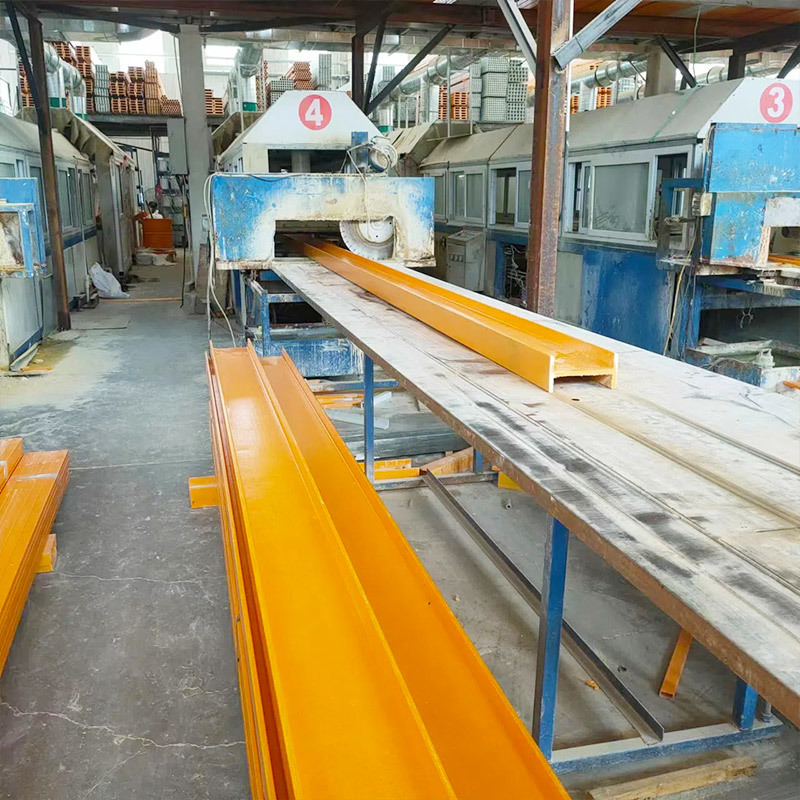
In the world of construction and structural materials, fiberglass pultruded angle bars have emerged as a preferred choice for many applications. These components are manufactured using a unique process known as pultrusion, which involves drawing fiberglass through a resin bath and then curing it to create a strong, lightweight product. This article provides an overview of fiberglass pultruded angle bars, exploring their benefits and potential uses in the construction industry.
One of the primary advantages of fiberglass pultruded angle bars is their exceptional strength-to-weight ratio. Unlike traditional steel angles, fiberglass is significantly lighter, making it easier to handle and install. This characteristic is particularly beneficial on job sites where minimizing weight can lead to reduced labor costs and improved safety during assembly.
Another significant benefit of fiberglass pultruded angle bars is their resistance to corrosion, chemicals, and environmental conditions. In construction environments where materials are often exposed to harsh weather or corrosive substances, fiberglass stands out as a durable option. This resistance not only extends the lifespan of the material but also reduces maintenance requirements, offering long-term cost savings for builders and contractors.
Fiberglass pultruded angle bars also boast excellent thermal and electrical insulation properties. This makes them an ideal choice for projects where heat retention or electrical conductivity must be minimized. In addition, the non-conductive nature of fiberglass can enhance safety in electrical applications, helping to prevent accidents on job sites.
Moreover, these angle bars are available in various sizes and configurations, allowing architects and engineers to customize their designs according to specific project needs. This versatility ensures that fiberglass pultruded angle bars can be integrated into a wide range of structural applications, including framing, supports, and brackets.
Sustainability is another compelling reason to consider fiberglass pultruded angle bars for construction projects. The production process can be more environmentally friendly than traditional steel manufacturing, and fiberglass materials can also be recycled at the end of their life cycle. As the construction industry increasingly prioritizes sustainable practices, these materials are becoming an attractive option for eco-conscious builders.
In conclusion, fiberglass pultruded angle bars offer a wealth of benefits for construction and decorative applications. Their lightweight nature, resistance to corrosion, thermal insulation properties, and sustainability make them a valuable addition to any project. As the demand for innovative materials continues to rise, understanding the advantages of fiberglass pultruded angle bars can help construction professionals make informed decisions that enhance both the quality and longevity of their structures.
One of the primary advantages of fiberglass pultruded angle bars is their exceptional strength-to-weight ratio. Unlike traditional steel angles, fiberglass is significantly lighter, making it easier to handle and install. This characteristic is particularly beneficial on job sites where minimizing weight can lead to reduced labor costs and improved safety during assembly.
Another significant benefit of fiberglass pultruded angle bars is their resistance to corrosion, chemicals, and environmental conditions. In construction environments where materials are often exposed to harsh weather or corrosive substances, fiberglass stands out as a durable option. This resistance not only extends the lifespan of the material but also reduces maintenance requirements, offering long-term cost savings for builders and contractors.
Fiberglass pultruded angle bars also boast excellent thermal and electrical insulation properties. This makes them an ideal choice for projects where heat retention or electrical conductivity must be minimized. In addition, the non-conductive nature of fiberglass can enhance safety in electrical applications, helping to prevent accidents on job sites.
Moreover, these angle bars are available in various sizes and configurations, allowing architects and engineers to customize their designs according to specific project needs. This versatility ensures that fiberglass pultruded angle bars can be integrated into a wide range of structural applications, including framing, supports, and brackets.
Sustainability is another compelling reason to consider fiberglass pultruded angle bars for construction projects. The production process can be more environmentally friendly than traditional steel manufacturing, and fiberglass materials can also be recycled at the end of their life cycle. As the construction industry increasingly prioritizes sustainable practices, these materials are becoming an attractive option for eco-conscious builders.
In conclusion, fiberglass pultruded angle bars offer a wealth of benefits for construction and decorative applications. Their lightweight nature, resistance to corrosion, thermal insulation properties, and sustainability make them a valuable addition to any project. As the demand for innovative materials continues to rise, understanding the advantages of fiberglass pultruded angle bars can help construction professionals make informed decisions that enhance both the quality and longevity of their structures.
Previous:
Perhaps You Also Need:
All
- All
- Product Management
- News
- Introduction
- Enterprise outlets
- FAQ
- Enterprise Video
- Enterprise Atlas
Mobile Phone
Address
China ● Glass Steel City, Zaoqiang County, Hengshui City, Hebei Province